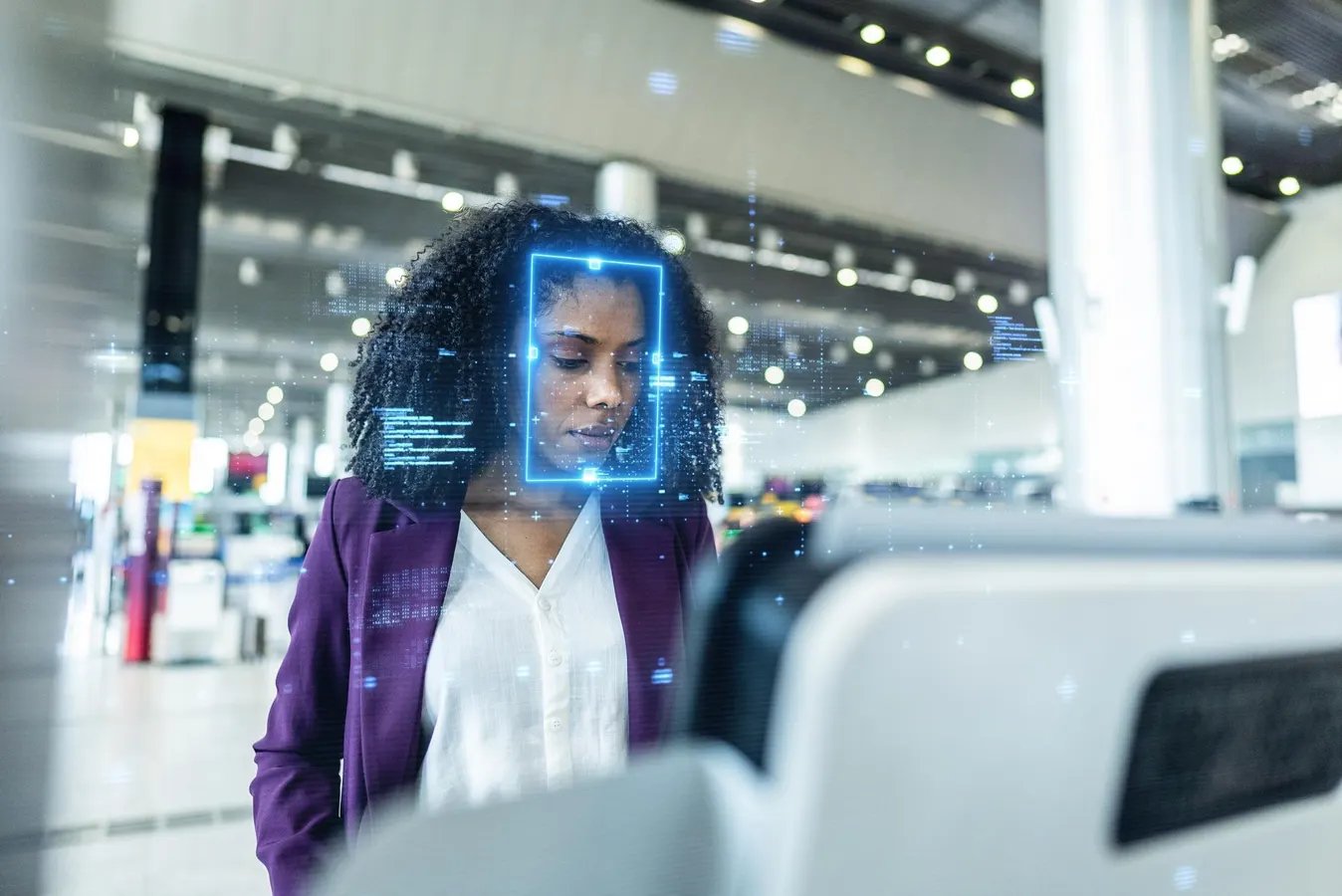

Biometric technology has become a routine part of digital and physical security, powering everything from smartphone authentication and digital payments to health monitoring and access control. Because it uses physical or behavioral traits tied to an individual, it can make everyday interactions faster and safer while also raising real questions about privacy, consent, accuracy and data protection.
As biometric tools become more common across consumer, workplace and public settings, it’s important for people to understand both what these systems can do and where their limits and risks lie. Below, members of Forbes Technology Council share what they believe the public should better understand about how biometric technology is being used today.
Biometric Credentials Can’t Be Replaced
Biometrics are permanent credentials. When a password leaks, you rotate it. When a face or fingerprint template leaks, you cannot. The risk lives with you for life. The benefit is real: less friction, less fraud. The tradeoff: Adoption is scaling faster than we are hardening how templates get stored, shared and governed. Convenience is winning today. Permanence is the bill. – Yonesy Nunez, Surf AI
False Negatives Aren’t Unusual
The public needs to understand that false negatives are rather common. A drop of superglue can change your fingerprints. A slightly raised temperature can influence how palm prints are read. The afternoon glare might cause your retina to contract. If there is no backup, overreliance on biometrics can easily lock you out of the system. – Kevin Korte, Univention
Forbes Technology Council is an invitation-only community for world-class CIOs, CTOs and technology executives. Do I qualify?
Authentication And Surveillance Aren’t The Same Things
People conflate biometric authentication with biometric surveillance, and that confusion benefits those deploying both. Unlocking your phone with your face is a choice you made. A retail camera identifying you without consent is a choice someone made for you. Same technology; opposite power dynamic. Stop debating whether biometrics are good or bad and start asking, “Did I opt in, or was I opted in?” – Denys Vorobyov, EltexSoft
Passwords Still Dominate The Login Experience
Many people assume biometrics are already the dominant login method because they’re convenient and trusted, yet passwords remain the default. This gap creates friction and leaves users vulnerable to fraud, as attackers increasingly target weaker login flows. Closing it requires a broader, more thoughtful adoption of biometric tools to deliver the seamless, secure experiences consumers expect. – Rishi Kaushal
Privacy-Preserving Biometric Tools Are Improving
Biometric solutions often come with (understandable) privacy concerns, but the technology has come a long way. Tools like facial recognition can now be used while maintaining a high level of privacy, identifying only persons already known within the system while obfuscating identifying details for all other individuals. It’s easier than ever to use biometrics in a responsible and ethical manner. – Fredrik Nilsson, Axis Communications
Biometrics Are Becoming Part Of A Holistic Digital Identity
The public should understand that this technology is not just unlocking phones anymore; it increasingly acts as a digital identity across banking, travel, healthcare and security. Its impact is both powerful and complex. While it improves convenience and fraud prevention, unlike passwords, biometric data cannot simply be changed once exposed, making privacy and governance very important. – Narendra Lakshmana Gowda, Walmart Global Tech
Biometric Matching Isn’t Absolute
Most people don’t realize biometrics aren’t just “scan and match”; they’re probabilistic. Your face or fingerprint gets converted into a confidence score, not a perfect ID. That means false matches happen and accuracy can vary across different demographics. Understanding this helps the public push for transparency, consent and proper safeguards rather than blind trust. – Ajit Sahu, Data SafeGuard Inc.
Secure Access Is Becoming Less Visible
One important shift is that biometric systems are making secure access feel almost invisible to the user. Complex verification steps can now happen in a few seconds instead of minutes. The real value is reducing friction without lowering security standards. – Benedetto Biondi, Folks Finance
Biometrics Add A Physical Layer To Cybersecurity
Biometric technology today has seen tremendous adoption for cybersecurity. While nothing is perfect, it adds another layer of physical security, making cyber intrusions more difficult. This, of course, coupled with two-factor authentication and smart cards (IC), adds yet another layer of protection. – Marc Bell, Terran Orbital
Biometric Consent Is Often Unclear
Biometrics are being used far more broadly than most people realize—not just to unlock your phone, but in airports, hotels and retail stores to track behavior and movement. The consent factor is murky. You often don’t know it’s happening, and unlike a password, you can’t change your face if something goes wrong. That asymmetry is worth paying attention to. – Abhinav Sinha, ZentrumHub
Biometrics Can Improve Accessibility
The conversation around biometrics is too focused on surveillance and not enough on accessibility. Biometric technology is opening doors for people with disabilities, removing friction from daily tasks that used to require complex workarounds. That’s a positive impact that gets lost in the headlines. But even in accessibility, consent and data protection still have to be nonnegotiable. – Marc Fischer, Dogtown Media LLC
AI Deepfakes Can Threaten Biometric Security
Biometrics are trusted since they’re thought to be more secure than passwords, but AI-generated deepfakes can now defeat many facial recognition systems. The attack surface is growing faster than the defenses. The technology marketed as the strongest form of authentication has become one of the most actively targeted. – Manas Chaudhari, Meta
Biometric Data Can Shape Decisions Beyond Identification
One thing the public should better understand is that biometric technology is no longer just about identification. It is increasingly used to infer behavior, intent, risk or access decisions in real time. That creates both convenience and concern, because the impact comes not only from collecting biometric data but also from how that data is interpreted, combined and acted upon. – Nicola Sfondrini, PWC