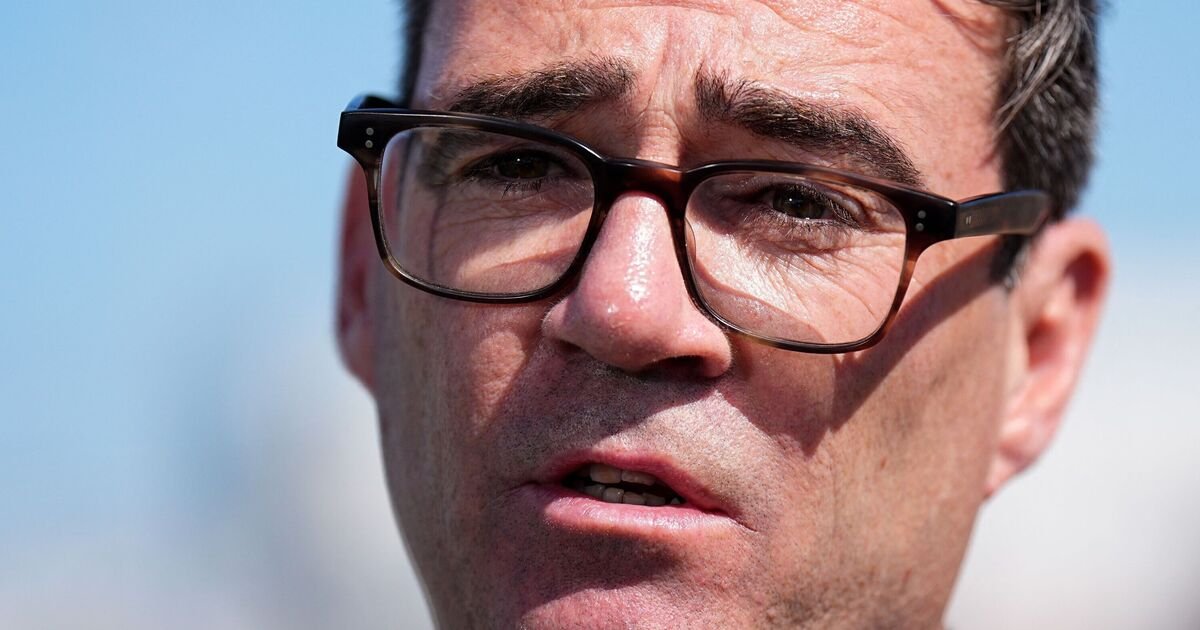
Octopus Energy has urged Andy Burnham to make two major changes it says could cut nearly £200 off every household’s annual electricity bill. The firm, which is one of the largest household energy suppliers in the country, says two key moves could have a major impact on the energy costs Britons face.
One is reversing what it says was one of the previous government’s biggest energy decisions – deciding not to implement a major overhaul of the electricity market. The company wants expensive gas to have less of an influence on wholesale electricity prices, which it says is pushing up costs for consumers unnecessarily in a time when renewable sources of energy are increasingly available. Octopus Energy is also arguing in favour of costs for government energy schemes no longer being added to bills, with the funds for these sourced from general taxation instead.
It comes as Burnham enters the second week of his time in Downing Street, vowing that his will be a “cost-of-living” Government that will tackle the cost burdens faced by Britons after a series of economic shocks.
The PM has already announced a range of measures aimed to give households breathing space, including cutting VAT on energy bills.
But before he even became the new leader of the country on Monday, July 20, Octopus was calling for more structural measures.
A year ago, ministers rejected plans for a significant Britain’s electricity market shake up backed by Octopus that would have seen the UK moving to a zonal pricing system, where bills would potentially be lower for those located closer to abundant sources of renewable energy.
The then Energy Secretary Ed Miliband opted against it, citing various factors including concerns over fairness, with the potential for some parts of the country to pay more. The national pricing structure was retained, alongside reforms to improve the efficiency of the electricity network.
In their plea to Burnham’s newly formed Government on July 17, Octopus said households and businesses are “still paying more than they need to – with bills on track to rise by another £100 by the end of the decade without wholesale market reform”.
It cited independent analysis by FTI that it commissioned which it said shows “overhauling the market and introducing a system that is already used successfully in many OECD countries would reduce the bill of every home and business in the country”, with savings of up to £114 a year with a typical household.
Octopus argues that market reform could also bring major savings for businesses and industry, estimating an additional £6 billion a year and unlocking total savings of up to £83 billion by 2050.
Additionally, the company says households could save an additional £75 a year on electricity bills if levies were moved into general taxation, with higher earners taking on more of the cost via the tax system (taking the combined estimated savings from market reform and funding changes for households to just shy of £195 per year).
Octopus says reforming Britain’s electricity market would take two years, and is calling on Burnham to take measures it says would save Brits money as soon as possible.
Greg Jackson, Founder and CEO of Octopus Energy, said: “The new Prime Minister has a golden opportunity to change the direction of energy bills, boosting electrification and slashing costs for families and businesses.
“It’s clear that market reform was rejected without a Plan B, and that the path we are currently on will see bills rise for years to come. Reversing that will put us in line with many OECD countries, cutting costs for everyone without sacrificing clean energy ambitions.
“Indeed, it’ll enable us to get more out of wind farms and pay less, and end the chaos which currently sees British batteries charge when they should discharge, interconnectors import electricity when we have surpluses and export when we have none to spare, and pay eye-watering amounts to gas plants to try to balance this.”
A Department for Energy Security & Net Zero spokesperson said: “The government took a decision last year not to pursue zonal pricing, and instead to reform the energy market while retaining a national price.
“We’ve cut VAT on electricity to give families breathing space. The Energy Secretary’s focus is working to bring bills down for good.
“We are also enabling energy companies to offer discounted energy bills to customers on windy days.”