Key Takeaways
- Wholesale energy refers to buying and selling large quantities of energy products, primarily electricity, in the wholesale market by producers and retailers.
- The development of wholesale energy markets followed the deregulation and restructuring of utilities and electricity markets globally in the 1990s.
- Besides utility companies, independent renewable energy producers and large consumers are now actively participating in the wholesale energy market.
- While wholesale energy offers benefits like enhanced reliability and better price transparency, critics point out potential for higher retail prices and market manipulation, as seen during the California energy crisis of 2000-2001.
- The deregulated energy market allows retail consumers to enter and sell electricity from renewable sources back to utilities, though improvements to grid systems are still needed to fully realize these opportunities.
Get personalized, AI-powered answers built on 27+ years of trusted expertise.
Wholesale energy is a term referring to the bulk purchase and sale of energy products—primarily electricity, but also steam and natural gas—in the wholesale market by energy producers and energy retailers. Other participants in the wholesale energy market include financial intermediaries, energy traders, and large consumers. Wholesale energy markets developed following the deregulation and restructuring of utilities and electricity markets around the world in the 1990s.
Understanding the Dynamics of Wholesale Energy
The concept of wholesale trading relates to the business of selling goods in large quantities and at low prices, typically to be sold by retailers at a profit. In general, it is the sale of goods to anyone other than a standard consumer. In the wholesale energy market, the term generally relates to purchasing and selling large quantities of electricity between utility companies, but other smaller independent renewable energy producers are also entering the wholesale energy market.
In the wholesale energy market, there are independent system operators that coordinate, control and monitor their operation. The deregulation of electricity markets and the development of wholesale energy markets have provided end-user benefits such as enhanced reliability, efficient grid dispatch and better price transparency. However, detractors of the wholesale energy concept maintain that it may actually lead to higher prices for retail consumers and can cause artificial shortages, such as the California energy crisis of 2000—2001, due to market manipulation.
The Rise of Renewable Energy in Wholesale Markets
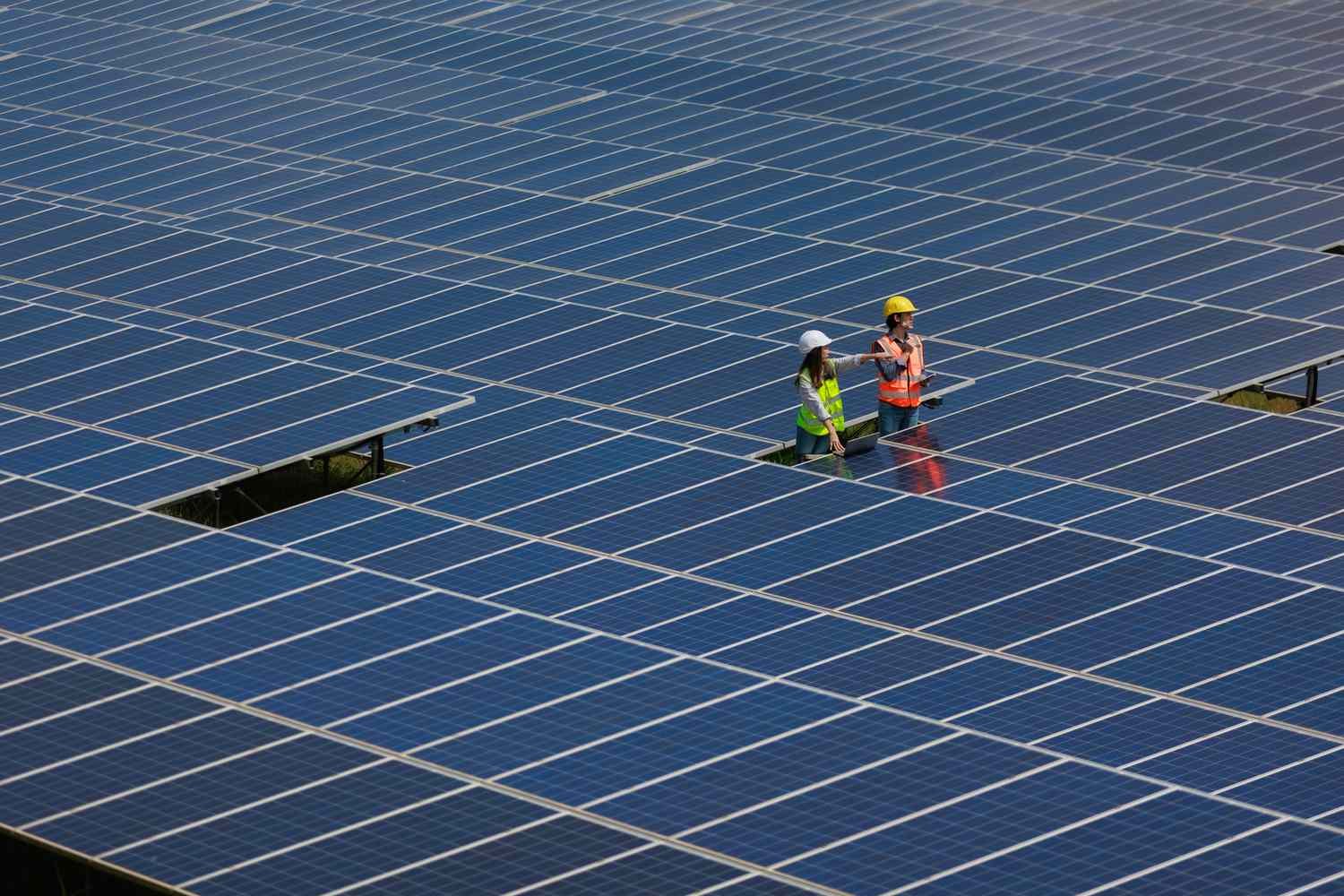
As the energy market becomes increasingly deregulated, it has become possible, but not easy, for retail energy consumers to enter the wholesale energy market and sell electricity produced from renewable sources like solar or wind back to the electric utility companies. There is still a lot of work to do in order for this to be efficient and fair. For example, updating outmoded grid systems to make it easier for customers to sell back power to their power providers could yield fairer rates for customers.
As of July 2026, 40 states and the District of Columbia allow for full retail “net metering.” In other words, households that generate electricity through residential solar projects can receive checks from the power companies for excess energy sent to the grid. Many states offer tax incentives to homeowners who take steps to make their homes more sustainable and energy-efficient. These are early steps that allow retail customers to participate in the wholesale energy market. The long-term aim is a more efficient and lower-cost model that benefits consumers and producers alike.