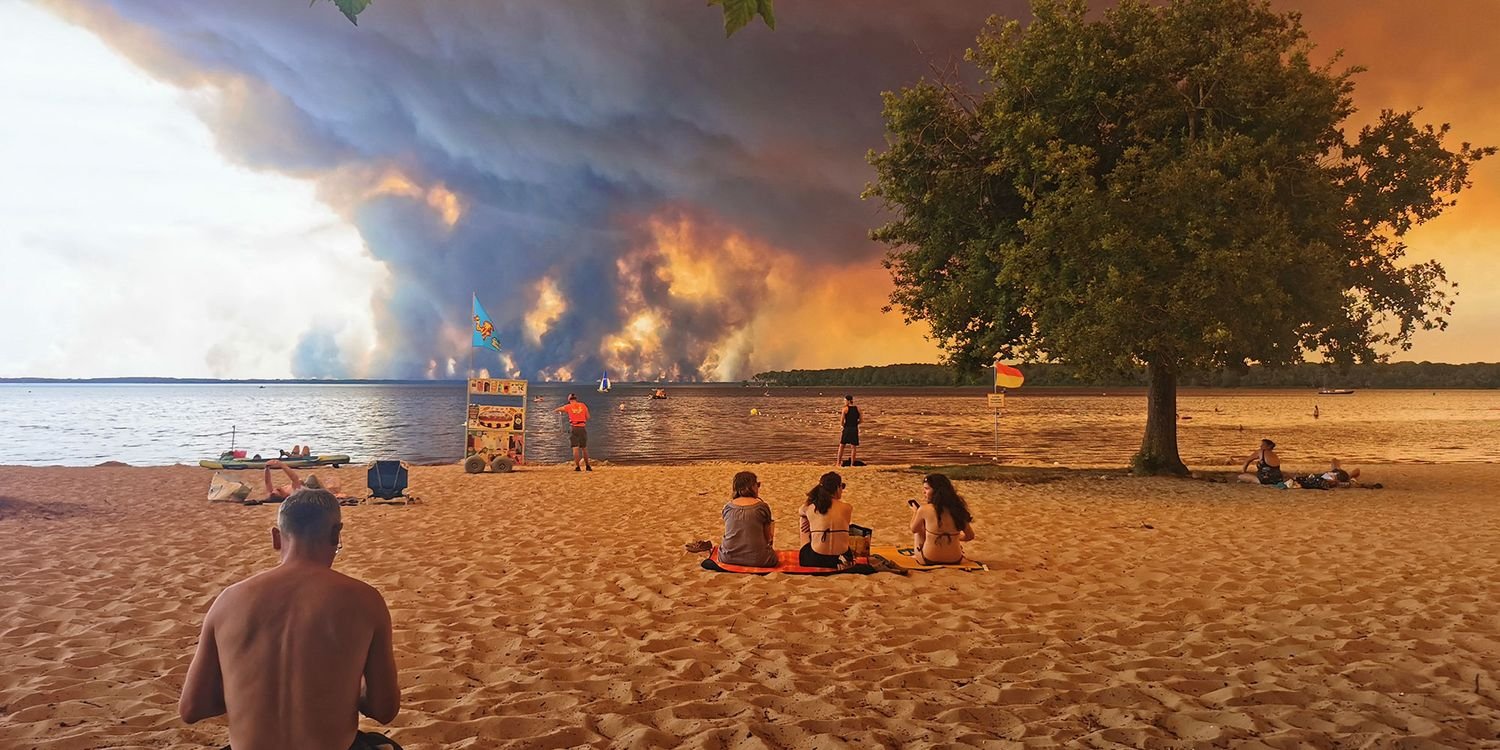
If you’re heading to France or Spain – or are already there – devastating wildfires could throw your plans into chaos. Here is how your travel insurance can help.
While the government has not issued an official warning against travel, the Association of British Insurers says you should closely monitor local advice and carefully review the terms and conditions of your travel policy.
Here, Which? answers six questions about how travel insurance can help before your holiday and during your stay:
1. Does travel insurance cover wildfires?
If you’re currently in the region and have been forced to evacuate, it’s important to follow the advice of emergency services on the ground and any local health advice.
Once you are safe, the Association of British Insurers is urging visitors to carefully review their travel insurance terms and conditions.
Some policies include cover for trip disruption or natural disasters such as volcanic eruptions, earthquakes, wildfires, floods and severe weather. However, this is often only included as an optional add-on or with more comprehensive policies.
Even if you don’t have that specific cover in place, that doesn’t mean you won’t be able to claim for any expenses. For example, standard policies may still pay out if your possessions are lost or abandoned as a result of the disruption.
- Find out more: travel insurance explained
2. Can you get your money back if you cancel?
Think carefully before you cancel the trip, as travel insurance won’t pay out if your reasons for not going are nerves alone. Insurers generally only pay out for cancellation if you or a travel companion falls seriously ill, or if you suffer a bereavement.
One caveat is if the government officially advises against travelling to the destination. So check and follow the latest foreign travel advice from the Foreign, Commonwealth and Development Office (FCDO), especially as travelling against it is likely to invalidate your travel insurance.
Currently, the FCDO has not formally advised people against travel to France or Spain and instead is advising those planning to go to any areas affected by wildfires to check with their travel operator.
‘Wait until closer to the departure date’

Rory Boland, Which? travel editor, says:
‘As a rule, insurance firms won’t make allowances for “disinclination to travel”.’
‘Instead, holidaymakers should wait until closer to the departure date to see if the holiday can go ahead or what flexible booking options are offered from the tour operator or airline.
‘Travel companies will be prioritising anyone due to depart in the next couple of days.’
3. Can you claim for cancelled flights or hotels?
If the airline cancels your flight, you should be offered a full refund or the option to rebook. Travellers who booked a package holiday will also be protected by the Package Travel Regulations, meaning the operator is required to rescue and repatriate you if you get stranded.
The same protections are not, however, available to travellers who booked independently.
If the FCDO changes its advice to recommend against ‘all travel’ or ‘all but essential travel’ to the country you are currently visiting, then your travel insurance should cover costs as a result of cutting your trip short. That includes additional accommodation and travel expenses to get home safely.
But if that’s not the case, then you will have to take it up with the hotel directly or check your travel insurance policy to see if you’re covered.
- Find out more: best travel insurance 2026
4. What if you fall ill or get injured?
Provided you have met the terms and conditions of your policy, you should be covered for emergency medical assistance as a result of a wildfire. For example, if you need treatment for smoke inhalation or suffer burns.
But you won’t be able to claim if you didn’t act responsibly and the incident was a result of any dangerous or illegal activities, or excessive alcohol consumption.
If you need help but it’s not an emergency, contact your insurer before seeking medical assistance to check what you’re covered for. Insurers will usually have a 24-hour phone number for you to call.
- Find out more: best travel insurance for over-65s
5. Does it matter when you bought cover?
It’s always best to buy travel insurance as soon as you book your flights or package holiday. If you leave it until the last minute and the situation in the place you’re heading to deteriorates, you could find yourself unprotected.
That’s because insurance is designed to protect against the unexpected. Most policies will therefore contain wording explaining that they won’t cover you for things you knew about when you arranged the cover.
This ‘known event’ clause found in the terms and conditions means claims for unanticipated developments (such as government advice against travel because of war or terrorism) are excluded.
- Find out more: is your annual travel policy still worth it?
6. How do you find the best travel insurance policy?
As always, the first step is to shop around for the best deal. Price comparison sites allow you to view multiple travel insurance quotes at a glance and also include policies for high-risk countries. The main ones for insurance are Compare the Market, MoneySuperMarket, GoCompare and Confused.com.
Once you’ve found a deal that is right for you, check how Which? reviewed the provider and policy.
Finally, check the policy wording carefully before you buy, as well as any general exclusions and conditions.