A new petition on the parliament website is calling for Chancellor Rachel Reeves to raise the personal tax allowance to £18,000 amid concerns about fiscal drag

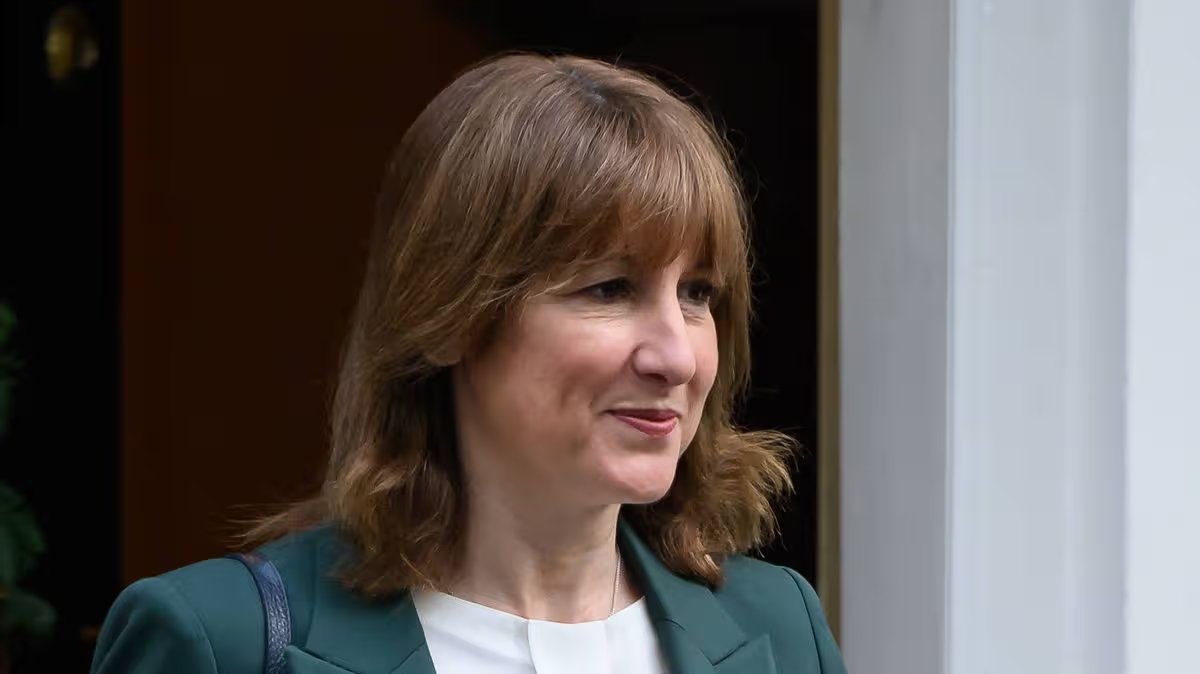
Chancellor Rachel Reeves is being urged to raise the lowest income tax threshold(Image: Getty Images)
Backing is surging for a fresh campaign urging Chancellor Rachel Reeves to increase the lowest income tax threshold to £18,000. A newly launched petition on the Parliament website has gained significant traction since its inception, calling on Ms Reeves to reverse her decision to freeze the lowest income tax threshold of £12,570 until 2031.
During the November Budget, Chancellor Rachel Reeves announced the extension of the tax thresholds freeze through to 2031. For the 2026/27 tax year, the standard UK Personal Allowance remains locked at £12,570, ensuring no income tax is levied on earnings below this level.
Britain’s most economically vulnerable workers risk being taxed as soon as their income surpasses that figure – and with the threshold remaining static, inflation and wage increases mean substantially more individuals are now subject to tax than would have been the case had it risen according to historical norms.
The petition, accessible here, states: “Raise the personal tax allowance to £18,000. Since 2021 personal tax allowance has been frozen at £12,570. This freeze was due to expire this year but the Chancellor of the Exchequer has extended it to 2031. We want to keep some more of our own money.
“If you are earning minimum wage then you may soon be paying tax because of fiscal drag. Some higher earners pay little or no tax due to clever use of accounting rules. We think this is so wrong.” Projections indicate that by 2027, the new state pension will surpass this threshold due to the triple lock mechanism, potentially placing pensioners at greater risk of increased tax liability. The matter has sparked multiple petitions, reflecting the strength of public sentiment nationwide. Earlier this year, one campaign advocating for the threshold to be raised to £20,000 garnered an impressive 281,792 signatures on the Parliament platform before being closed to additional support during the summer.
This triggered a Westminster debate where the Treasury calculated the financial implications at £50 billion. Demonstrating the scale of public concern, a fresh petition has since emerged urging the income tax personal allowance to rise from £12,570 to £20,000.
The previous petition’s ranking amongst the most supported in the parliamentary website’s history was viewed by campaigners as powerful evidence of widespread public opinion on this matter. Currently, a basic tax rate of 20 per cent applies to earnings above £12,570, while higher earners face a 40 per cent rate on sums exceeding £50,270 – both thresholds have remained frozen since 2021. At the heart of the dispute lies ‘fiscal drag’, a phenomenon occurring when the personal income tax threshold stays frozen at £12,570 since 2021.
During a Westminster Hall debate in the Commons earlier this year, Liberal Democrat Daisy Cooper emphasised the overwhelming public backing as evidence of widespread concern: “The number of people who have signed it speaks to the strength of public feeling about this issue, which is a serious policy challenge for all political parties. Indeed, I think the petition does more than show the strength of feeling that exists.
“I regard it as a cry for help, because right around the country there are struggling families gripped by a cost-of-living crisis. We have a toxic combination that means that people are seeing their taxes go up but not seeing services improve. It is leading to that cry for help.”
James Murray, Exchequer Secretary to the Treasury, has warned that raising the tax threshold would place a significant financial strain on the public purse. “We were elected to put more money in people’s pockets and, crucially, we were elected to do so in a fiscally responsible way. That is a critical point to understand.” A prominent think-tank has forecast that working-age households will face an average reduction of approximately £500 in their income over the next year due to frozen income tax thresholds. Those most financially vulnerable are set to shoulder the heaviest impact – a recently published analysis by the Resolution Foundation, issued in advance of the new tax year, revealed that the lowest 10 per cent of earners will be at the ‘sharp end’.
The analysis highlighted that fluctuations in energy and fuel costs alone could result in lower-income households experiencing an inflation rate nearly a percentage point higher than those in the highest income bracket by year’s end – according to fresh research released by the Resolution Foundation.
The Resolution Foundation described a “triple hit” as the new tax year commenced in April, with households grappling with the combined pressures of taxation, escalating utility costs, and significant council tax rises. It observed that families especially will be roughly £500 worse off due to the freeze on the personal tax allowance.
During the November budget, Chancellor Rachel Reeves prolonged the tax threshold freeze until 2031. For the 2026/27 tax year, the standard UK Personal Allowance remains frozen at £12,570, ensuring no income tax is levied on earnings up to this threshold. The basic rate (20%) applies up to £50,270, higher rate (40%) up to £125,140, and additional rate (45%) on income exceeding £125,140.
To view and back the petition click here.