Before the Iran war, the global economy withstood a string of shocks and was performing better than expected, the IMF says. That has now all changed, and the UK has taken a major hit.
The world economy is heading into a major energy crisis, the IMF has warned, unless a durable solution is found soon to end the Iran war.
It has raised inflation forecasts for this year and cut growth projections – particularly for countries directly affected by the fighting, like Saudi Arabia, and for countries that import a lot of their energy needs.
UK takes major hit
The UK has taken a particular hit, with the largest reduction in growth projections for any major country in 2026.
The International Monetary Fund said the global economy had been performing better than expected – withstanding a string of shocks from COVID-19 and its aftermath, the Russian invasion of Ukraine and US President Trump’s wave of tariff increases.
That resilience meant the IMF was thinking about raising its forecasts before the conflict broke out. But that all changed when the fighting began.
Where Iran war poses a threat
The IMF warned that the Iran war posed a threat to growth through three channels.
Immediately, higher oil and gas prices will directly boost inflation.
That could be amplified if firms and workers try to recoup that cut to their living standards by raising prices and demanding higher wages.
And, if central banks could try to cut off that wage price spiral by raising interest rates – slowing the economy even more.
At the moment, the IMF still expects to see the world economy grow by 3.1% – only slightly slower than previously expected.
But that’s based on oil prices running at an average of $80 a barrel over the year. At the moment, we’re above that level – closer to $95-$100.
The IMF says there could be a normalisation of prices if the conflict is resolved soon.
But it warns that at the moment, we’re drifting closer to a more severe outcome, where inflation could rise closer to 5.5%-6%.
Post-war oil shocks
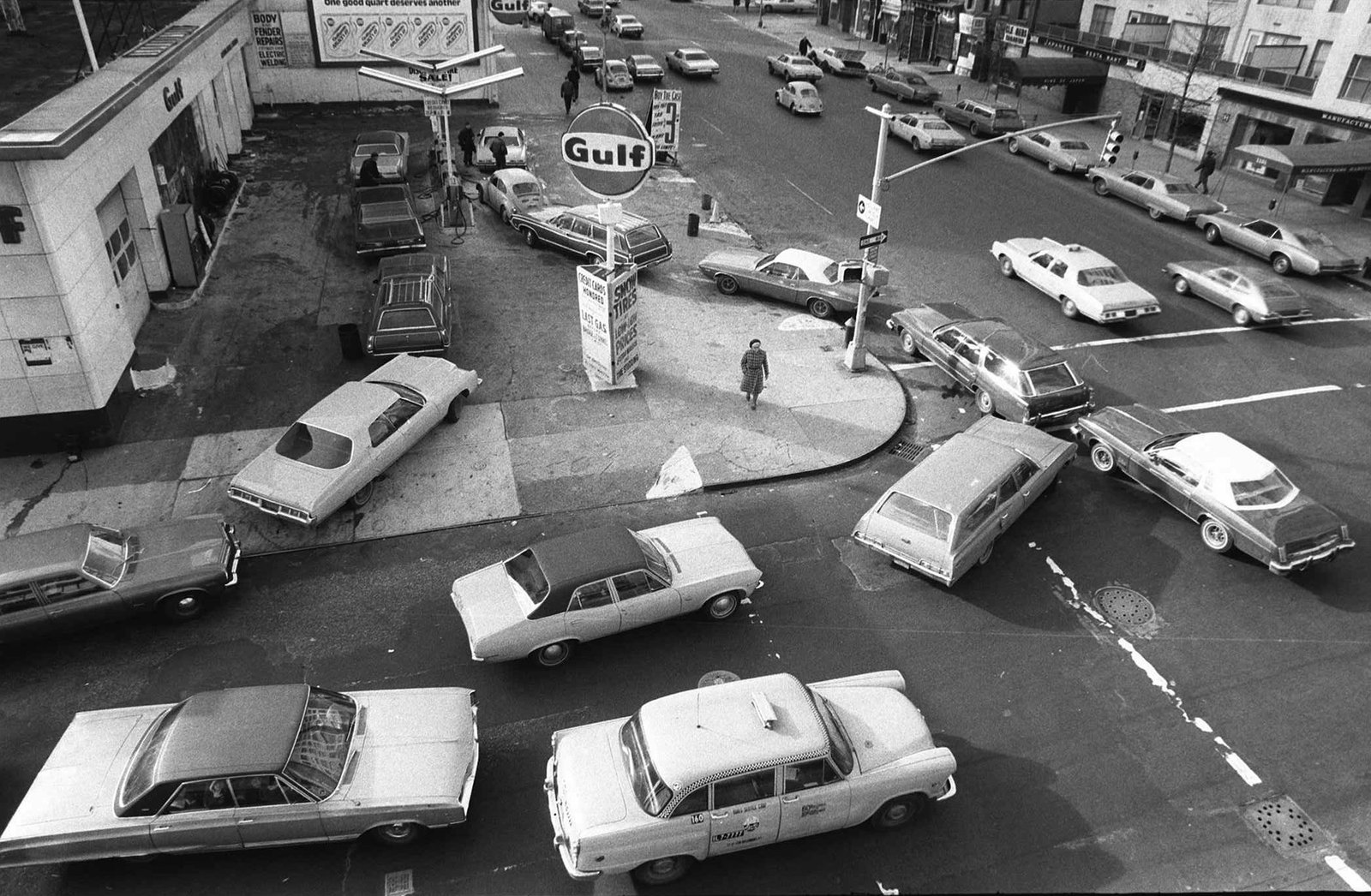
The world has gone through a number of oil shocks, but in the post-war era the first – and probably the most severe – came in 1973 (pictured below).
The IMF estimates that the volume of oil withdrawn from the market in the current crisis is comparable to what happened in the 1970s.
But so far, the price impact has been very different. In 1973, oil prices effectively quadrupled – from just under $3 a barrel to around $12. Currently, oil prices are up by about a third.
The IMF says there are two big differences this time around: most major economies have become much less dependent on oil and gas, with much more renewable power. And they’ve become much more efficient in how they use that energy.
The second big change is the attitude of central banks. In the 1970s, they let the energy shock morph into a general inflation problem. The IMF expects, and hopes, they won’t do the same this time around.
Subsidising households
The IMF is much less keen on any ambitious plans by governments to subsidise households as a way of insulating them from higher energy bills.
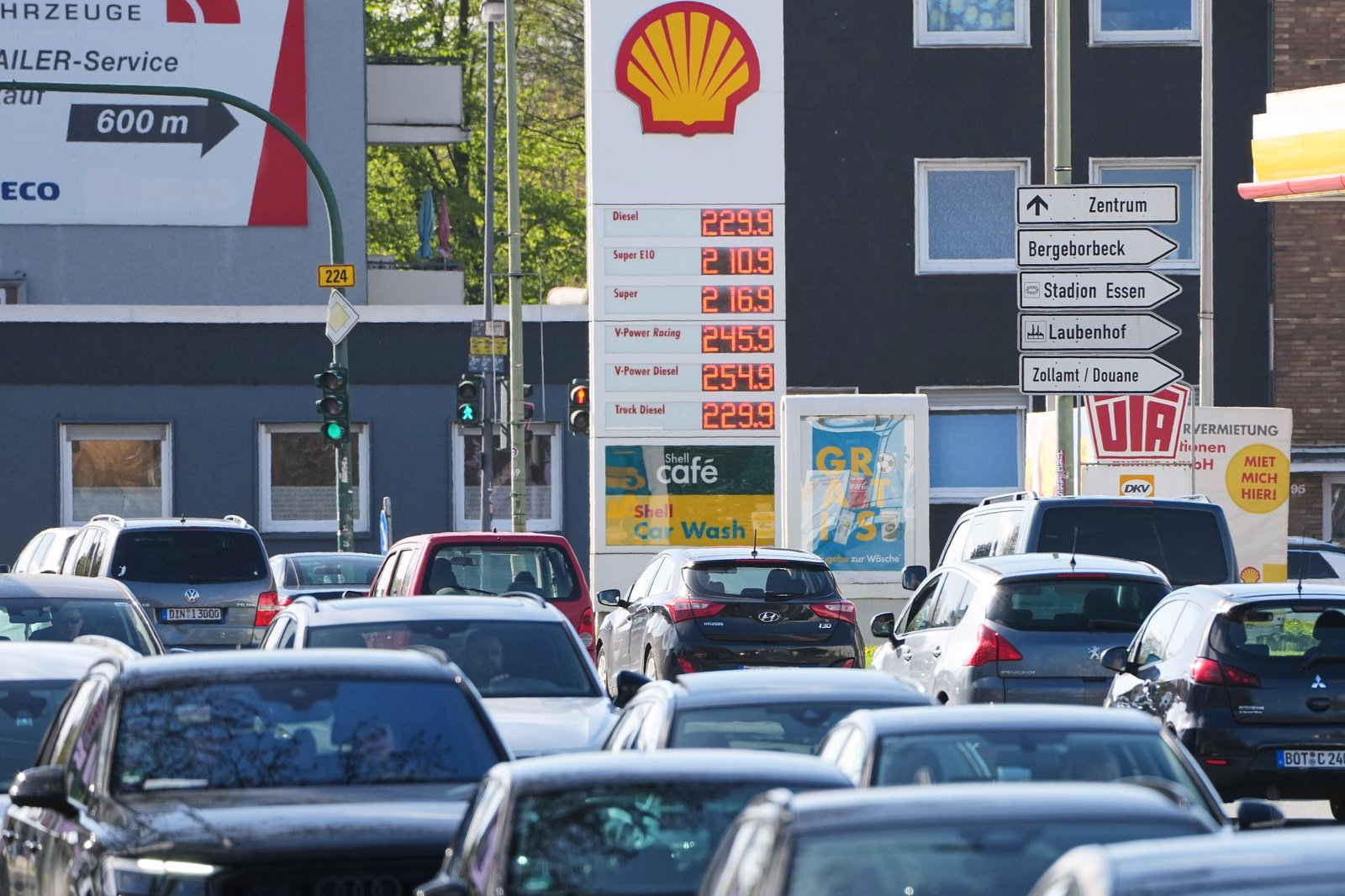
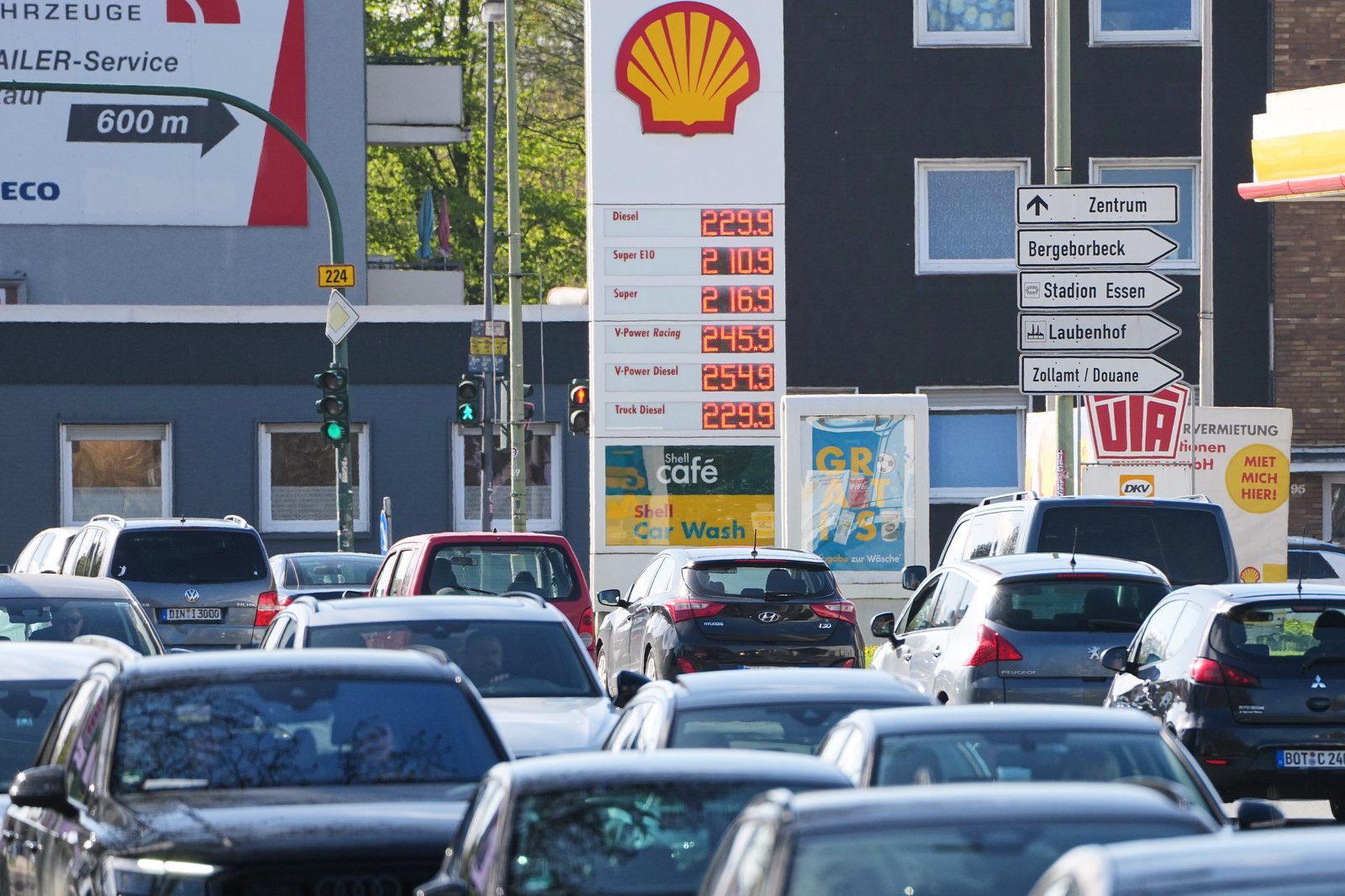
We’ve seen countries like Germany, France and Ireland announce cuts to fuel duties, even if only for certain consumers.
But the IMF thinks this can’t go too far. It’s particularly critical of price caps, saying they are poorly designed and often extremely costly.
With rising levels of government debt, it claims most countries don’t have the luxury anymore of big subsidy schemes.