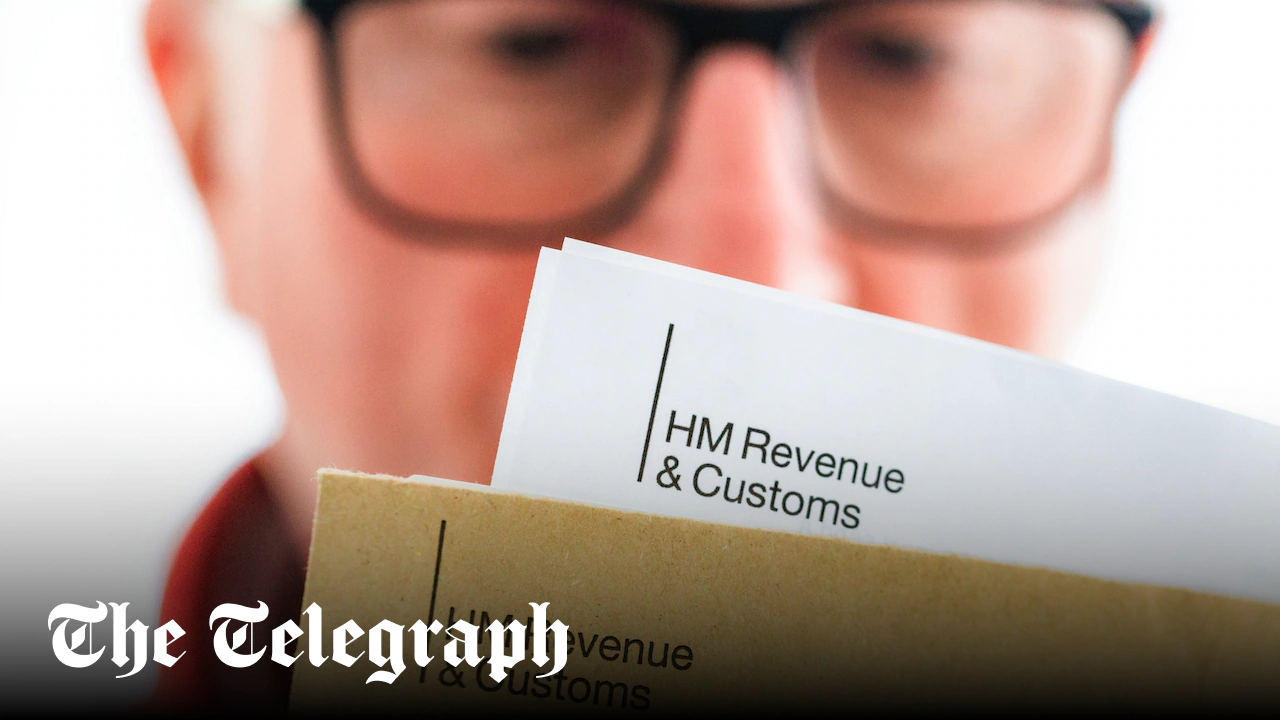
Thousands of savers are at risk of overpaying tax after HMRC warned it will send out multiple demands for payment.
The tax authority sent out “simple assessment” tax bills earlier this year that excluded tax owed on savings interest paid from banks or building societies.
However, HMRC said that some savers will be sent a second tax demand from next month that includes tax owed on savings interest, plus the amount stated in the first letter, even if this tax has already been paid.
A simple assessment is sent to collect tax without requiring a taxpayer to complete a self-assessment return. They are usually used for pensioners or employees who underpay tax.
It is the second year in a row that HMRC will have sent out a second simple assessment to some savers, putting them at risk of paying tax twice.
The number of savers paying tax on savings interest has more than tripled from 1.22 million in 2022-23 to 4.51 million in 2026-27, meaning a rising number are at risk of receiving a second tax demand from HMRC.
Around 1.8 million simple assessments are expected to be sent out for the last tax year.
In its advice to accountants, the tax office said recipients of a second letter should deduct any tax already paid from the second total to work out how much was in fact owed.
However, tax experts warned that savers who do not have access to professional financial advice were at risk of paying twice.
Joseph Adunse, of accountancy firm Moore Kingston Smith, said thousands of taxpayers could be affected and urged recipients to check the letters carefully.
He added: “HMRC are creating more work for people, and potentially causing overpayments – these people won’t get automatic refunds.
“It’s surprising after the same issue took place last year. Surely there must be a way for HMRC to see that you’ve already paid?
“It would be more efficient to send out one bill, but HMRC wants to get tax in early.”
The tax authority has previously said it can only send simple assessment letters to customers who owe tax on savings interest after it receives this information from banks.