The current funding allocations from the scheme will deliver new social homes equivalent to just 18pc of London’s priority housing waiting list, compared with 46pc in rural areas.
Andy Burnham, the Prime Minister, prompted speculation that he could opt for a property tax overhaul of this kind after he said land was “under-taxed” in May.
Hannah Aldridge, from the Resolution Foundation, said: “Our two main housing taxes – council tax and stamp duty – are terribly designed, grossly unfair and economically harmful.
“Our housing taxes fall heaviest on those least able to afford them and have turned into a huge £3.1bn subsidy for those living in London – paid for by households across the rest of England.”
Council tax rates out of kilter
Council tax is charged based on values that were last determined in 1991, meaning the rates are now wildly out of kilter with current values.
By the end of the decade, a person living in a home worth £100,000 will pay nearly three times as much, relative to the value of their property, as someone living in a home worth £1m, the Resolution Foundation calculated.
On the flipside, stamp duty, which is charged on the purchase price of a property and is charged at much higher rates in higher value bands, disproportionately hits more expensive places such as London and the South East.
The Resolution Foundation said its proposals should be made over many years, with cash-poor homeowners offered the opportunity to defer payments until a sale.
New homeowners would also be able to deduct recently paid stamp duty from their annual property tax liabilities.
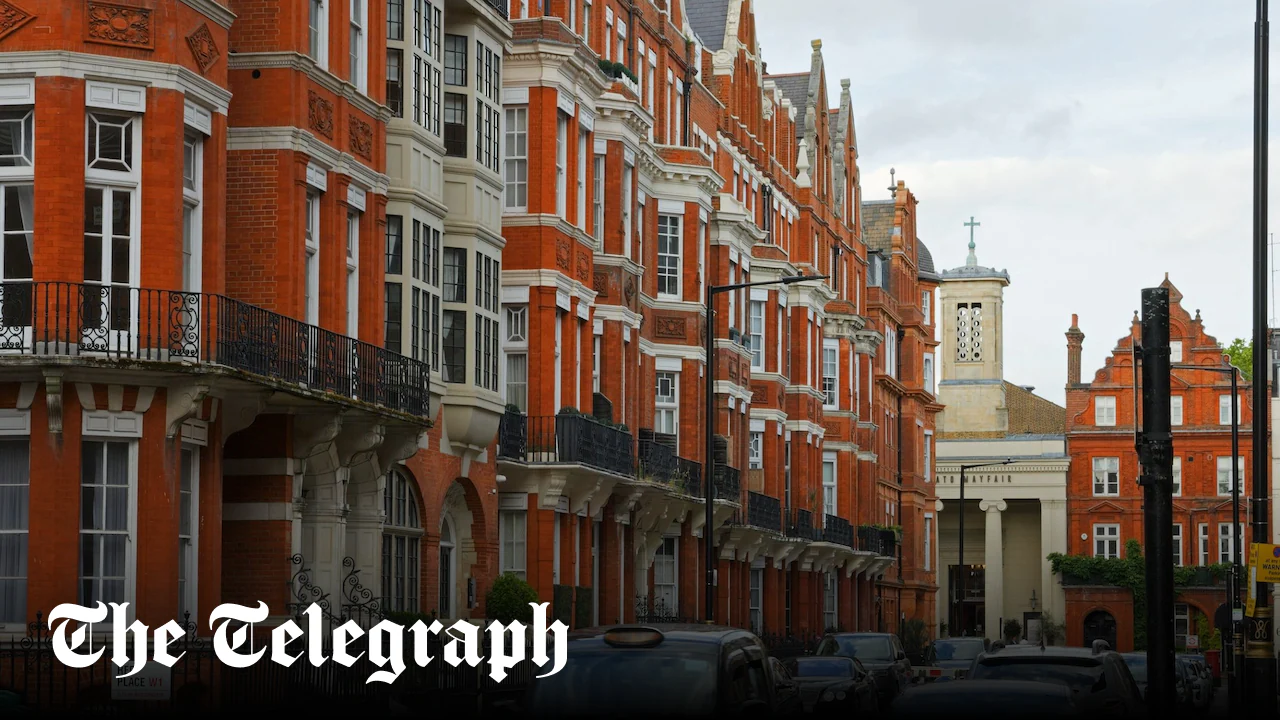
A government spokesman said: “We have reformed housing tax to address a longstanding unfairness in our country, where a Band D home in Darlington or Blackpool pays more in council tax than a £10m mansion in Mayfair.
“As has always been the case, decisions on tax are a matter for the Chancellor to set out at fiscal events, rather than routinely commenting on rumour, speculation or proposals.”