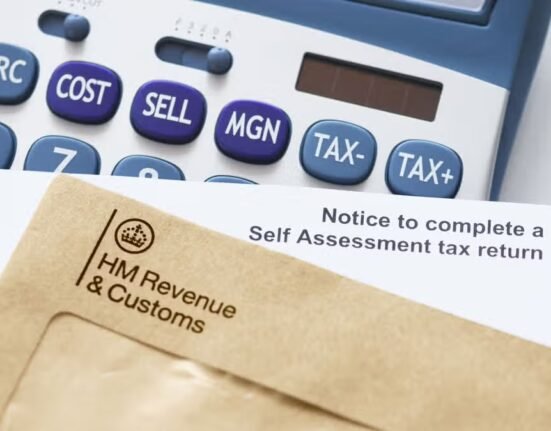
It might look like a random string of numbers and letters, but getting it wrong could mean you’re paying too much tax – or not enough and facing a surprise bill later.
Your tax code is used by your employer or pension provider to work out how much Income Tax to deduct from your wages or pension.
It’s issued by HM Revenue and Customs and applies automatically – meaning many people never question whether it’s correct.
But errors do happen.
The most common code explained
For most people, the standard tax code is 1257L.
This is based on the Personal Allowance – currently £12,570 – which is the amount you can earn before paying Income Tax.
In simple terms, the number reflects your tax-free allowance, while the letter relates to your personal circumstances.
How you could be losing money
If your tax code is wrong, you could:
- Pay too much tax, reducing your take-home pay
- Pay too little tax, leading to an unexpected bill later
And with finances already stretched, even small errors can add up over time.
Why mistakes happen
Tax codes can change for several reasons, including:
- Starting a new job
- Having more than one income
- Receiving benefits or company perks
- Changes to your personal allowance
If HMRC doesn’t have the correct information, your code may not reflect your situation.
How to check your tax code your tax code
You can find your tax code:
Wondering if you’re paying the right Income Tax? 💼 Check online for this year or past years, and avoid surprises. Let us help you keep your taxes on track! #TaxCheck
👉🏻 https://t.co/NHooSq9Flk pic.twitter.com/fJVSZmKvjm— Barter Durgan (@BarterDurgan) September 12, 2025
If you check your tax code online or in the HMRC app, you can also:
- find your tax code for previous tax years
- sign up for paperless notifications – this means HMRC will email you when your tax code changes
HMRC tax code letters and what they mean
The full list can be found on the GOV.UK website, but these are the most common, and what they mean:
- L – For an employee entitled to the standard tax-free Personal Allowance
- S – For an employee whose main home is in Scotland
- BR/ SBR – For a second job or pension
- M – For an employee whose spouse or civil partner has transferred some of their Personal Allowance (through Marriage Allowance)
- N – For an employee who has transferred some of their Personal Allowance to their spouse or civil partner (through Marriage Allowance)
- T – When HMRC needs to review some items with the employee
Recommended reading:
Check what your tax code means
You can use the HMRC tax code checker to find out:
- what the numbers and letters in your tax code mean
- how much tax you will pay
- what you may need to do next
What the numbers mean in your HMRC tax code
The numbers in your tax code tell your employer or pension provider how much tax-free income you get in that tax year.
HMRC works out your individual number based on your Personal Allowance and income you have not paid tax on (such as untaxed interest or part-time earnings). They also consider the value of any perks you get from your employer (such as a company car).