Energy leaders gathering at the International Natural Resources Summit (INRES) in Istanbul warned that the global energy transition cannot succeed through renewable investments alone, stressing that stronger electricity grids, critical mineral supply chains, storage systems and regional interconnectivity are now central to future energy security.
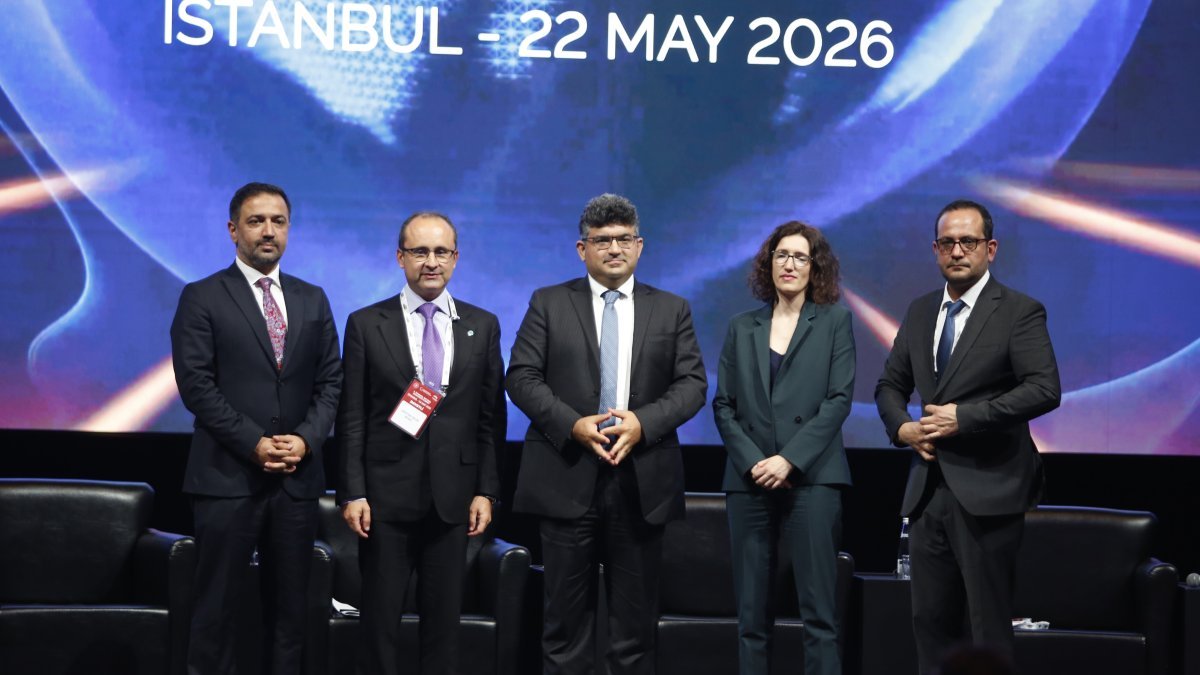
The final session of the summit, organized under the auspices of Türkiye’s Energy and Natural Resources Ministry by Turkuvaz Media Group, was moderated by Mehmet Çelik, editorial coordinator of Daily Sabah, under the theme “Designing the Energy Transition: Challenges and Opportunities.”
The panel brought together senior officials and experts, including Bulgaria’s Deputy Energy Minister Kiril Temelkov, Romanian Energy Ministry Secretary-General Cristian Silviu Busoi, World Bank senior energy economist Claire Nicolas, European Bank for Reconstruction and Development (EBRD) Türkiye Vice President Mehmet Erdem Yaşar and Energy Exchange Istanbul (EXIST) CEO Taha Arvas.
A common message emerged throughout the session: energy transformation is no longer only about decarbonization, but increasingly about resilience, supply security and geopolitical stability.
Temelkov said energy systems have become primary targets during global crises, arguing that diversification and cross-border interconnections are now essential for securing reliable supplies. He stressed that natural gas, nuclear, hydroelectric and wind energy must work together rather than compete.
Romania’s Busoi said the Russia-Ukraine war reshaped Europe’s energy priorities, pushing energy security and supply diversification to the forefront. He highlighted Türkiye’s growing strategic role in European energy security and pointed to projects such as the Southern Gas Corridor and the Azerbaijan-Georgia-Romania-Hungary green electricity cable initiative.
Nicolas described the energy transition as a “three-legged stool” built on regulation, financing and grid investment, warning that weaknesses in any one of those areas could undermine the entire process. She said Türkiye’s long-term renewable targets and regular YEKA renewable tenders have strengthened investor confidence.
Meanwhile, EBRD’s Yaşar identified grid infrastructure as the biggest bottleneck slowing the transition, saying the challenge today is not finding projects but integrating them into functioning transmission systems quickly enough.
EXIST CEO Arvas also warned that the Paris climate goals would require unprecedented levels of copper extraction and critical mineral supply, while rising electricity demand driven by artificial intelligence and digitalization would make diversified energy production increasingly unavoidable.
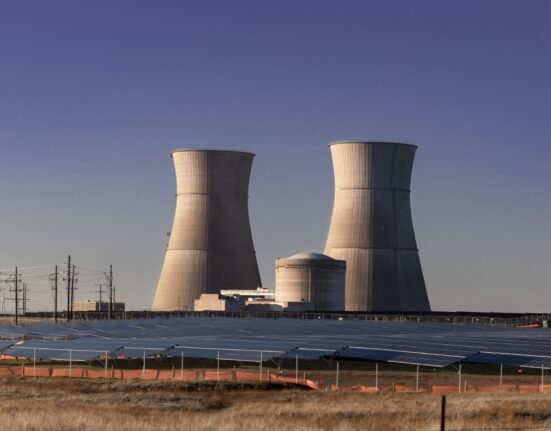
Arvas added that Europe’s stance toward nuclear energy has begun shifting as governments search for stable long-term energy solutions.
The summit hosted ministers, deputy ministers and energy sector representatives from dozens of countries and focused heavily on regional integration, critical minerals and long-term energy resilience.