New data has led to an explanation

It’s not always obvious(Image: Barbara Eddowes via Getty Images)
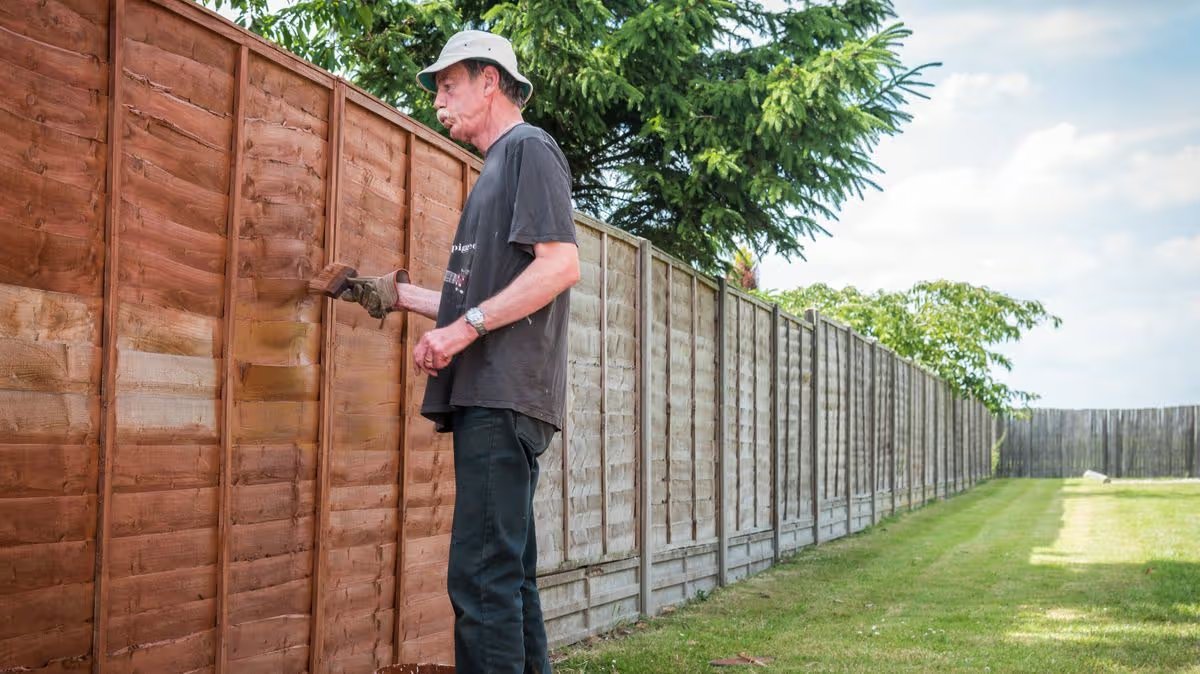
As warmer weather arrives and garden projects ramp up, millions of homeowners across the UK could be making changes to the wrong fence, potentially leading to disputes and even legal issues. New research from Compare the Market has found that 40% of homeowners are unsure about which side of the fence is theirs, highlighting general confusion around boundary ownership and shared spaces.
Part of the confusion appears to stem from common misconceptions. A quarter (25%) believed ownership could be determined by which side the fence panels face and nearly one in five (18%) relied on the position of the fence posts.
Questions about boundaries tend to pop up in spring, with searches for “which side of the fence is mine” peaking between March and May, according to the expert. For some homeowners, it can become more than just a quick pre-garden refresh query, with almost one in ten (9%) having had a dispute over boundaries or shared access and a further 11% reporting damage caused by a neighbour, due to things like DIY mishaps or fallen trees.
The data found that 7% of homeowners said they had made a claim against someone else for damage to their property, while the same proportion had a claim made against them. This shows how boundary misunderstandings could lead to legal issues, Compare the Market said.
Helen Phipps, home insurance expert at Compare the Market, said: “It’s clear many homeowners are not completely sure which boundaries they are responsible for, which can make things tricky when giving the garden a seasonal refresh. Something as simple as painting a fence, hanging planters or fixing a panel could cause issues if it turns out to belong to a neighbour, especially if it leads to damage or disagreement.
“Before picking up a paintbrush or starting any outdoor updates, it’s worth taking a few minutes to check your title deeds or Land Registry plan, so you know where you stand. It can also be helpful to review your home insurance policy, as cover for fences can vary depending on how the damage happened and the terms of your policy.”
How to check which fence is yours and avoid disputes
Check your title plan or deeds first – A Land Registry title plan or your original title deeds may help show who’s responsible for a boundary, sometimes through markings such as ‘T’ marks. An ‘H’ mark can indicate shared responsibility.
Revisit your home purchase paperwork – The documents you received when you bought your property may include useful details about boundaries, shared structures or fence responsibility. This can be helpful before painting, repairing or decorating a fence.
Responsibility isn’t always straightforward – There’s no automatic rule that the fence on the left or right is yours. Fence panels, posts or the “good side” can sometimes offer a clue, but they’re not always reliable, so it’s best not to rely on assumptions alone.
Speak to your neighbour and keep a record – Before painting, repairing or replacing a fence, it’s worth speaking to your neighbour first. If you agree on anything, such as who will repair, replace or maintain it, keep a written record to help avoid future disagreements, especially where ownership is unclear.
Seek professional advice if needed – If you’re unsure who is responsible for a boundary, or a disagreement has already come up, it may be worth seeking professional advice. A property solicitor or surveyor can help clarify the situation before any work goes ahead.
Review your insurance if repairs are needed – If a fence has been damaged, check your buildings insurance policy before arranging repairs. Fences and gates may be covered in some circumstances, such as fire or vandalism, but storm or extreme-weather damage is often excluded, so always read the policy wording.
The data was from nationally representative surveys of 2,000 UK adults conducted by Censuswide on behalf of Compare the Market between January 1 and 22 and March 25 and 30, 2026.