Stay informed with free updates
Simply sign up to the EU energy myFT Digest — delivered directly to your inbox.
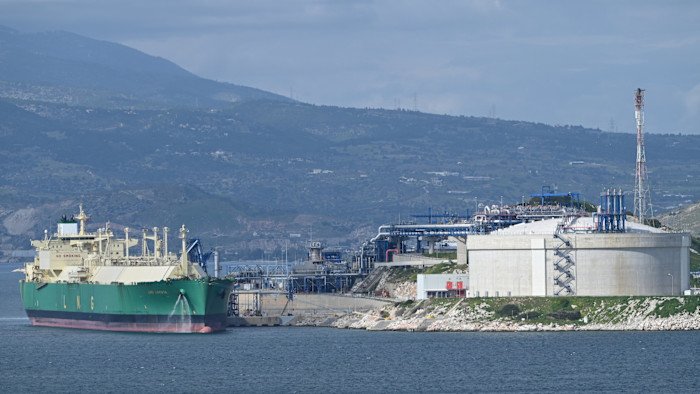
The EU will give gas producers more leeway on methane import rules to avoid gas being diverted from the bloc, as governments scramble to secure additional energy supplies in the wake of the US-Iran war.
Ditte Juul Jørgensen, director-general for energy at the European Commission, said Brussels would soon recommend “flexibilities” to stringent new requirements on fossil fuel importers to the bloc, as Europe continues to grapple with high energy prices.
European legislation already requires EU producers of oil and gas to monitor and report methane emissions associated with flaring and venting, but its remit will be extended to imported fossil fuels from January 2027.
Under the latest proposed changes, however, countries importing to the EU would only need to show that a sufficient share of national production meets the requirements, rather than having to track “back to the well” for granular production data on each cargo, Jørgensen said at an industry conference in Brussels.
The levying of penalties for non-compliance, which could reach up to 20 per cent of annual turnover in extreme cases, would also be softened to make sure “no cargo is diverted or delayed because of a concern related to penalties”, she said.
The recommendations from the Commission come after some member states criticised the requirements for being too strict, and follow warnings from the fossil fuels industry and from the US that the rules would endanger Europe’s gas supplies.
Jørgensen said the measures were not limited to the energy crisis. “It’s highly relevant now but also in the five and 10-year perspective and beyond,” she said, to ensure Europe’s security of supply.
The EU’s methane regulation was adopted in 2024 to limit methane emissions from imports of energy to the bloc. It requires suppliers to monitor and repair methane leaks and bans practices such as routine flaring, where gas leaks at oil and gas facilities are burned off instead of being captured.
Methane is the main component of natural gas and more than 80 times more potent than carbon dioxide at trapping carbon dioxide in the atmosphere over a 20-year period.
Europe is the fastest warming continent, in part because of its proximity to the Arctic as the sun’s rays are more readily absorbed by the darker ground left by melting snow and ice.
Germany was among member states to push for more flexibility in implementing the rules. In a meeting of European energy ministers last week, Germany’s Katherina Reiche called for a “pragmatic approach” to implementing the regulation on imported fossil fuels, according to a document seen by the FT.
The Czech Republic, Romania and Slovenia supported Reiche’s position, while Hungary went further in calling for a pause and rework of the proposals.
According to a Wood Mackenzie report commissioned by the fossil fuels industry, no country outside the bloc has been formally recognised as having equivalence with EU standards and only 7 per cent of global oil and gas production met voluntary requirements for reporting.
However, while the regulation would restrict available gas to the EU, analysis by Rystad Energy commissioned by climate NGO the Environmental Defense Fund projects that compliant gas supplies will be twice the EU’s total demand in 2027.
The Commission will also provide national authorities with guidance to “make sure the way the regulation is implemented in practice is consistent across the EU”, Jørgensen said. “We want to make sure we implement in a way that does not constitute a risk for security of supply and global energy trade.”
The flexibility from the Commission does not go far enough for some opponents of the package, however.
Cristian Signoretto, president of Eurogas and global gas director at Italian energy company Eni, told the FT that the changes offering greater flexibility were “good but late”.
“If this decision had been taken a year back, we could have worked with it but now we are running out of time.”
Climate Capital

Where climate change meets business, markets and politics. Explore the FT’s coverage here.
Are you curious about the FT’s environmental sustainability commitments? Find out more about our science-based targets here