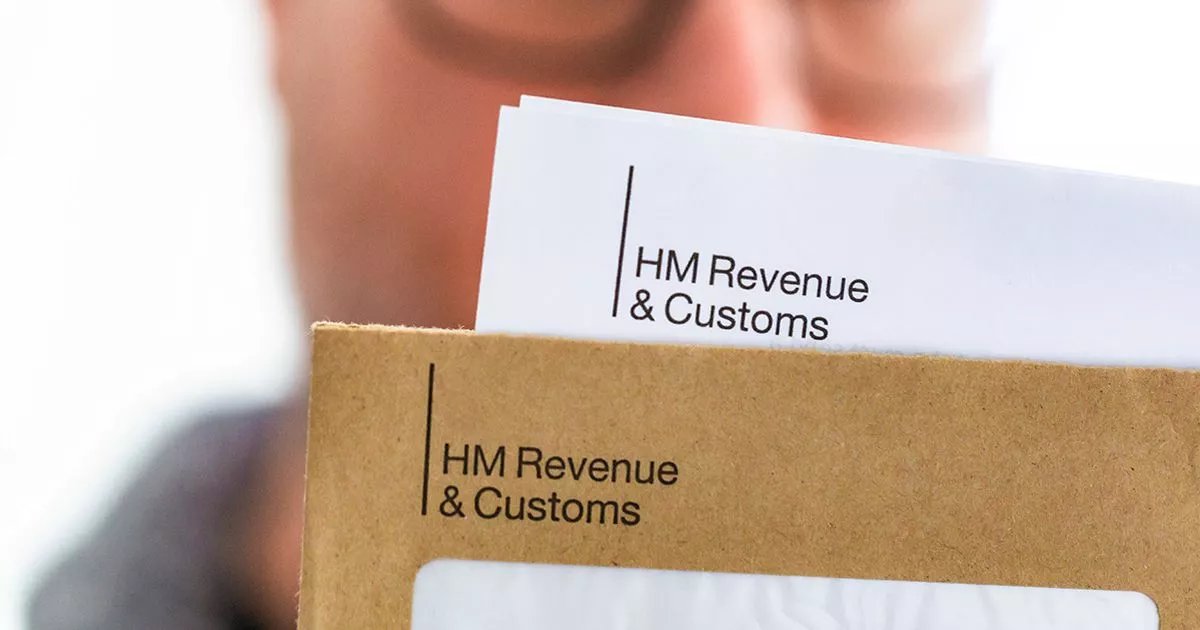
People who have been earning extra this Christmas have been reminded of the rules

Anyone who has received extra cash in the lead-up to Christmas might need to check that they don’t owe any money to HM Revenue and Customs (HMRC). Failing to pay your tax can lead to demands and the threat of legal action to recover what is owed.
According to Finder, two to five Brits (39%) have a side hustle that they run alongside their main employment, helping to bring in an additional source of income in 2025. The average income from side hustles varies from around £210 a week (roughly £914 a month), which might put people in a situation where they need to contact the tax office.
“Set up a side hustle this festive season?”, a spokesperson for HMRC said in a recent post on X. “We’re here to help you get your tax right.”
Anyone in the UK can find extra ways to earn cash outside of their usual job. From online selling to delivery work, there are plenty of opportunities around Christmas for people to boost their bank balances.
But, not everything that gets earned can be kept, as certain tax rules apply to incomes from a ‘side hustle’ in the UK. Whether you get cash in hand or money paid straight to your bank account, you’ll need to tell HMRC certain information to avoid any surprises.
What are the UK’s side hustle tax rules?
Common side hustles include selling items, providing a service or creating content online (like sponsored social media posts and brand partnerships). In the UK, there is a rule known as the Trading Allowance, which puts a cap on when income needs to be declared to HMRC.
This is set at £1,000 per tax year (typically running from April 6 this year to April 5 the following year). If your total gross income (before expenses) from self-employment, casual work, or selling goods for profit is more than £1,000 in a single tax year period, you will need to declare it to HMRC.
Failing to pay HMRC tax on side hustle income in the UK can lead to significant financial penalties, interest charges, and enforcement action. In serious cases, criminal prosecution can be pursued for tax evasion.

I’m just having a clear-out. Do I need to tell HMRC?
Selling unwanted personal belongings (such as old clothes, toys and furniture) is generally not considered ‘trading’. If you’re just getting rid of personal belongings from time to time, you probably don’t need to tell HMRC.
However, it might still be a good idea to check and make sure. Typically, most items are not enough to warrant being part of your taxable income, unless a single item sells for £6,000 or more, which may be subject to Capital Gains Tax.