An online petition calling for a review has received over 15,000 signatures

(Image: Scoobers via Getty Images)
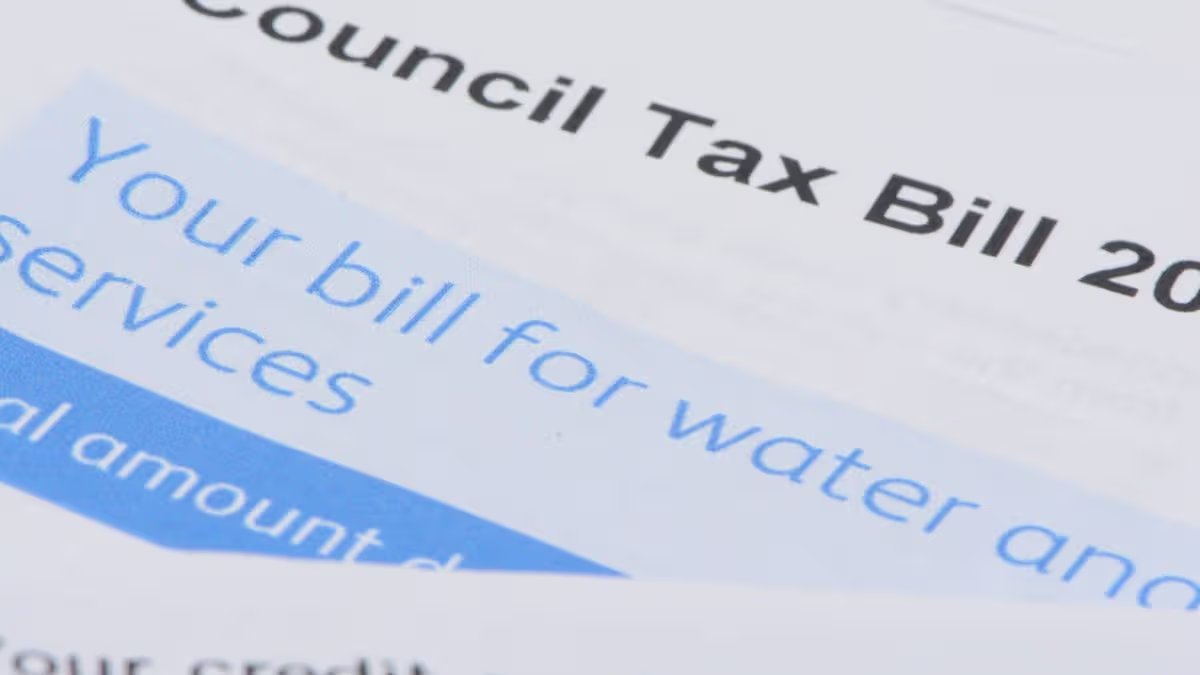
A spokesperson for the UK government has responded to growing calls from the public for a ‘full review’ to be conducted into the council tax and stamp duty systems.
In January, a petition was created on the Parliament website which stated: “Commission a full Independent Review of Council Tax and Stamp Duty”.
Andrew Dixon, who set up the petition, wrote: “We call on the Government to commission a full, independent review of Council Tax and Stamp Duty to deliver the fundamental, evidence-based reform the UK’s housing market urgently needs.”
Get MEN Premium now for just £1 HERE – or get involved in our WhatsApp group by clicking HERE. And don’t miss out on our brilliant selection of newsletters HERE.
He added: “Council Tax arrears have risen to £8.3 billion, with more than two million households struggling to keep up. We believe a tax based on 1990s property values no longer reflects today’s homes or people’s ability to pay — and it fails to provide a stable way to fund essential local services.
“We believe Stamp Duty remains a narrow, one-off tax that distorts the housing market and traps families in unsuitable homes.”
Petitions posted to the Parliament website require 100,000 signatures in order for the request to be considered by MPs. So far, it has received 15,500 signatures.
On Monday, 13 April, the request received a response from the Ministry of Housing, Communities and Local Government.
They pointed out that council tax raises approximately £60 billion annually, accounting for 53% of local government core spending power. They explained that properties are placed into eight valuation bands based on 1991 values.
While the Valuation Office Agency (VOA) sets the bands, local councils decide the tax rates based on community needs. This is described as a “settled” and predictable tax with a high collection rate (nearly 96%).
The spokesperson said that around 34.3% of homes receive discounts (e.g., single person, student, or disability), while local authorities must also provide reduction schemes for low-income households.
To address the fact that owners of the most expensive homes pay proportionately less, a new High Value Council Tax Surcharge will be introduced in 2028/29. This will be made up of a £2,500 surcharge for properties worth over £2m and a £7,500 surcharge for properties worth over £5m.
Existing council tax bands will remain unchanged.
With regards to stamp duty, the spokesperson highlighted that it generates roughly £14 billion per year and that first-time buyers pay no stamp duty on properties up to £300,000 (with relief up to £500,000).
In 2024, the rate for second homes and buy-to-lets was increased from 3% to 5% to give a competitive advantage to first-time buyers and those moving homes.
As part of a new housing supply strategy, the Government aims to build 1.5 million new homes. This will be supported by reforms to the National Planning Policy Framework and the reintroduction of mandatory housing targets.
This response suggests that the government is leveraging property taxes to secure public funding while introducing new surcharges on high-value estates and higher rates for landlords to prioritize first-time buyers and social equity.