By combining AI-powered skills assessments with personalised learning and manager-led coaching, the focus of Align Technology’s APAC HR team is on creating a more consistent approach to talent development and preparing its APAC workforce for evolving business needs.
Understanding employees’ capabilities is essential to building an agile and adaptable workforce; however, organisations can find it challenging to establish a consistent picture of their workforce capabilities when skill assessment methods aren’t consistent across markets.
To address this, Align Technology introduced a common competency framework across APAC, supported by AI-enabled assessments. The initiative gives employees clearer insights into their development needs while helping leaders identify skills gaps and provide more targeted learning and coaching.
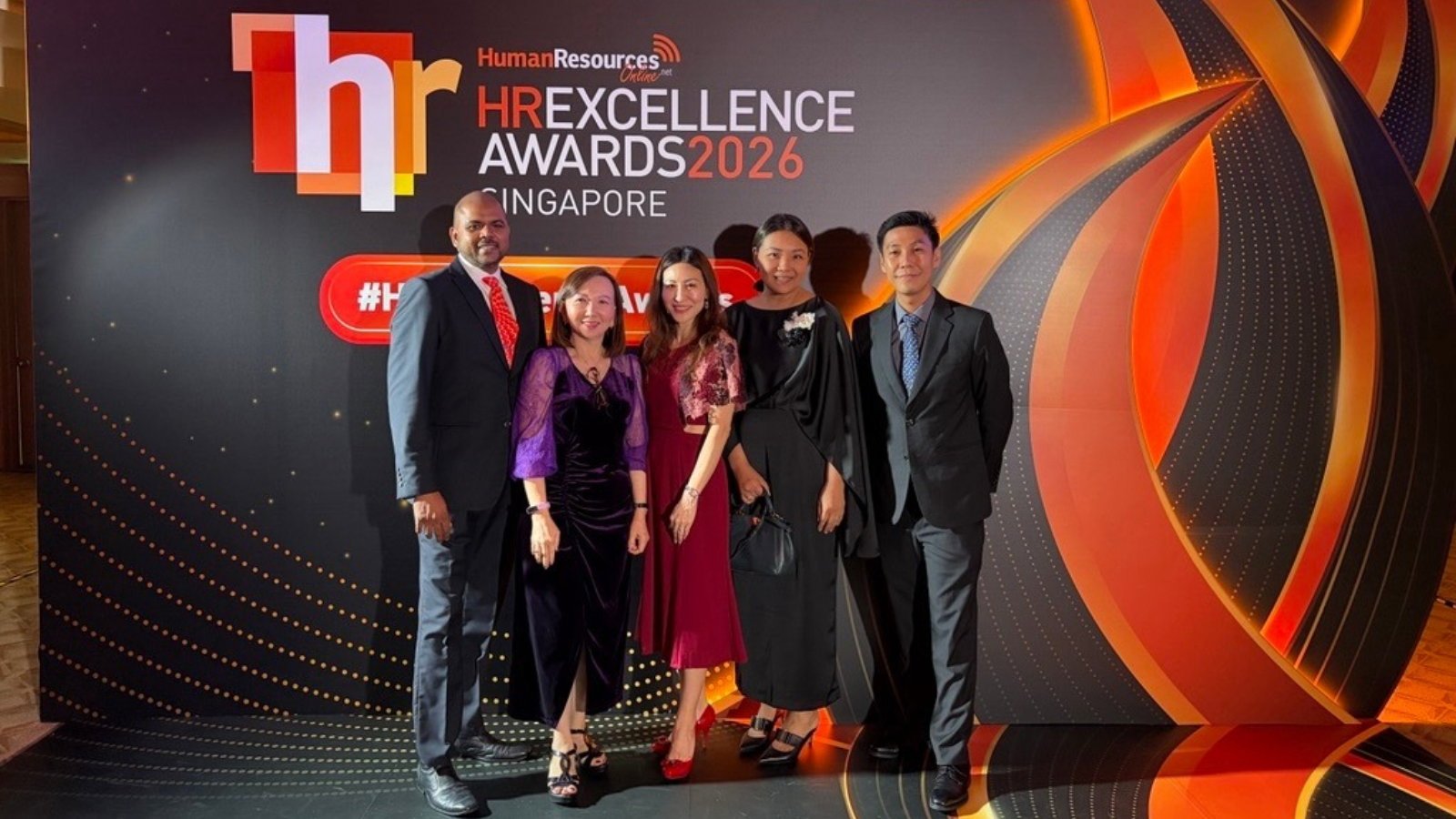
Following its recognition as a finalist for ‘Excellence in AI-Enabled Workforce Transformation’ at the HR Excellence Awards 2026 – Singapore, the Align APAC HR team at Invisalign Singapore shares how the initiative is strengthening capability development across the region, building trust in AI-supported assessments and preparing the organisation for a more skills-driven future.
Q What was the ‘lightbulb moment’ behind your HR initiative?
The lightbulb moment came from recognising that we had an opportunity to create a more consistent and meaningful approach to understanding capability across the APAC region. While each market had its own way of assessing skills and development needs, there was no shared baseline to provide a clear regional view.
This led to a simple but important insight: before we could design the right development solutions, we first needed to understand our starting point. We therefore created a common competency model that could bring greater consistency across markets while still recognising the diversity of the region.
The emergence of AI tools provided a powerful way to bring this idea to life at scale. By combining a clear capability framework with AI-enabled assessment, we created an approach that is engaging, scalable and data-driven, giving employees valuable insight into their development while providing leaders a stronger foundation for future capability planning.
Q Innovation rarely comes without obstacles. What was the biggest challenge your team faced along the way, and how did you overcome it?
One of the biggest challenges was building trust among employees in a new, AI-enabled approach to capability assessment. Introducing technology into a people process naturally raised questions about fairness, consistency and how the insights would be used.
This was particularly important across APAC, where different languages, working cultures and market contexts meant the experience needed to feel relevant and natural locally. We worked closely with local teams, trainers and stakeholders to test and refine the platform, including adjusting language where feedback showed that the AI avatars did not sound fully natural.
Clear communication and collaboration were central. We were transparent about the purpose of the initiative, how the assessment worked and, importantly, how the insights would support development rather than performance evaluation.
“By listening carefully and continuing to improve the experience, we built greater confidence in the approach and encouraged adoption across the region.”
We have made good progress, and we remain committed to continuous improvement.
Q How has this initiative influenced your people and organisation, and what conversation do you hope it sparks across the HR community?
This initiative has transformed how we help develop our people and build capabilities across APAC. By combining AI-enabled learning, real-time feedback and manager-led coaching, we are helping our sales professionals build confidence, strengthen their consultative skills and engage more effectively with customers.
At an organisational level, we have established a common competency framework that brings greater consistency to how we understand capabilities, identify development opportunities and prepare for future talent needs. AI has also enabled more personalised learning and coaching at scale, allowing our managers and trainers to focus more of their time on higher-value activities and meaningful human interactions.
For the broader HR community, we hope this sparks a broader conversation about how AI can reshape talent development and contribute to business performance. The future of HR is not about choosing between people and technology. It is about bringing together the strength of both — AI provides speed, scale and insights, while people bring judgement, experience and human connection.
Ultimately, the real value of AI lies not in the technology itself, but in how it helps our people grow, perform and succeed.
Q What’s next – how are you planning to build on your progress and keep the momentum going?
Our next priority is to build on this foundation and further embed AI-enabled learning and coaching into how we develop our people and support business performance.
We will leverage the capability insights gained through the initiative to create more personalised learning journeys, strengthen leadership development and integrate our competency framework more closely into hiring, performance management, career development and future talent planning.
Importantly, we also want to see how stronger capabilities translate into better sales effectiveness and customer engagement, while expanding this model across other functions and regions.
At the same time, we will continue refining our approach as AI evolves, ensuring responsible adoption while keeping people at the centre.
“Ultimately, our goal is to make continuous learning and coaching part of everyday work, building a more agile, capable and future-ready workforce.”
Q As the HR landscape continues to evolve, what do you believe will be the next big opportunity for HR leaders, and how is your organisation preparing for it?
We believe the next big opportunity for HR leaders is the shift towards a more skills-driven, agile and future-ready workforce. As AI continues to reshape how work gets done, HR has an important role in anticipating future capability needs, identifying skills gaps and helping people continuously learn and adapt.
This opens up opportunities across the talent lifecycle. Capability-based assessments can help us make more informed hiring decisions, while AI and data can enable more personalised learning, targeted leadership development and faster readiness for future roles.
In APAC, we are continuing to build a more connected approach to talent development, linking learning, coaching and performance through a common competency framework.
Ultimately, we believe the future of HR lies in combining technology, data and human judgement to unlock people’s potential, strengthen organisational agility and support sustainable business growth.
Read more interviews on why organisations have been recognised for their HR practices – head over to our Winning Secrets section!
Image / Provided