Picture:
PA Images/Alamy
Downing Street has insisted Labour’s pledge to cut energy bills by £300 still stands, despite the typical annual bill rising by almost £600 since the promise was made.
Sir Keir Starmer’s Labour Party said before the 2024 election that its green energy plans would cut bills by £300 on average.
At the time, the typical annual bill under the energy price cap was £1,568. Ofgem has now confirmed it will rise to £2,166 from January, an increase of £598 from that earlier level.
Bringing the typical bill down to £1,268 – £300 below the pre-election figure – would now require a reduction of £898.
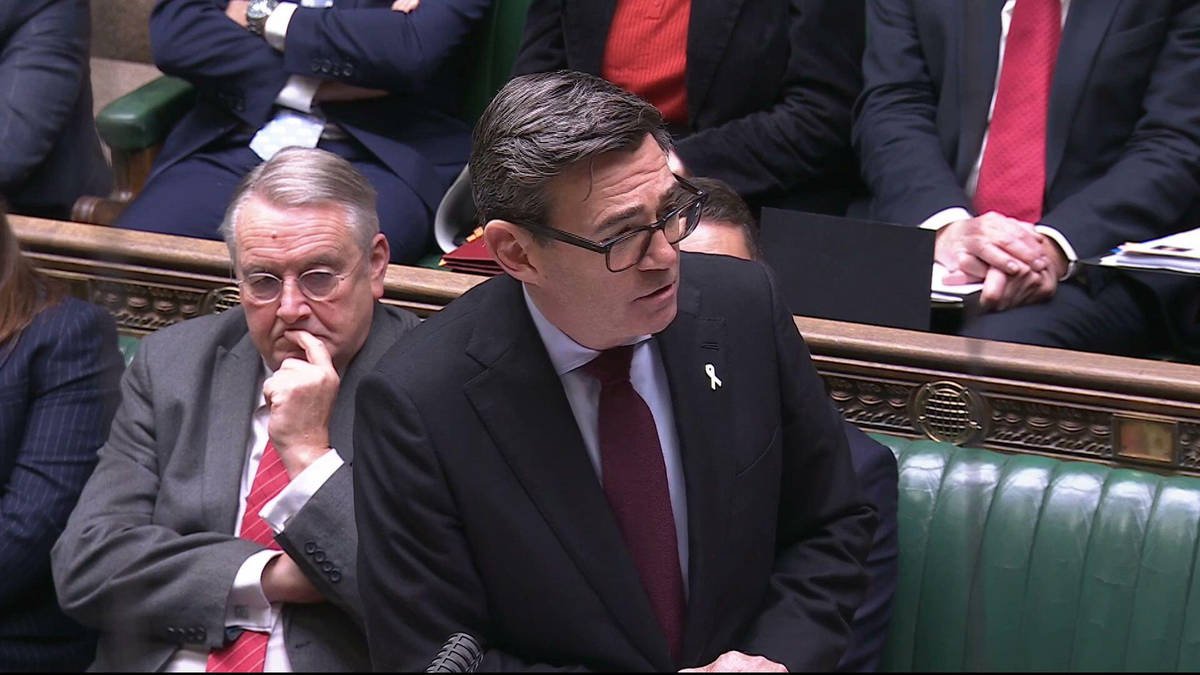
Asked whether Prime Minister Andy Burnham stood by the original commitment, his spokesman said: “The position on this hasn’t changed.”
Read More: Why are energy bills going up and what can I do about it?
Read More: Households face ‘nightmare before Christmas’ as energy bills to soar 26%
Picture:
Alex Segre/Alamy
The spokesman added: “Our priority is to provide breathing space for families now … while taking the long-term action needed to bring energy costs down for good.”
Ofgem announced on Wednesday that the price cap would rise by 26% in January, adding £443 a year to the bill for a typical household using gas and electricity. The cap limits the price suppliers can charge per unit of energy, so actual bills depend on usage.
The regulator blamed rising energy costs on conflict in the Middle East. The new level is the highest since June 2023, following Russia’s invasion of Ukraine.
Labour’s 2024 green prosperity plan said bills would fall by £300 on average as the party expanded clean energy. Ed Miliband, then shadow net-zero secretary, said renewables were cheaper than gas.
At last month’s Budget, Chancellor John Healey announced a £100 payment for eligible households to help with energy costs.
Around 20 million households in England in council tax bands A to D are due to receive the payment, with councils asked to begin distributing it from January 4. The Scottish and Welsh governments have received funding to establish their own schemes.
Women and Equalities Minister Bridget Phillipson acknowledged that the forecast increase would exceed the Government’s payment.
She said that the Chancellor would want to consider “whether there’s more that’s needed as we go beyond January”.
Chris O’Shea, chief executive of British Gas owner Centrica, said he was “hugely concerned” about the increase and warned that many people were unable or unwilling to pay their bills.
Ofgem’s Neil Kenward urged anyone struggling to contact their supplier.
“We are writing to suppliers today to remind them of their obligations and ensure they are ready to provide that support,” he said.