
Business leaders from across the UK have warned that the proposed Overnight Visitor Levy could damage flagship destinations unless the Government makes it simpler, fairer and more clearly linked to local investment.
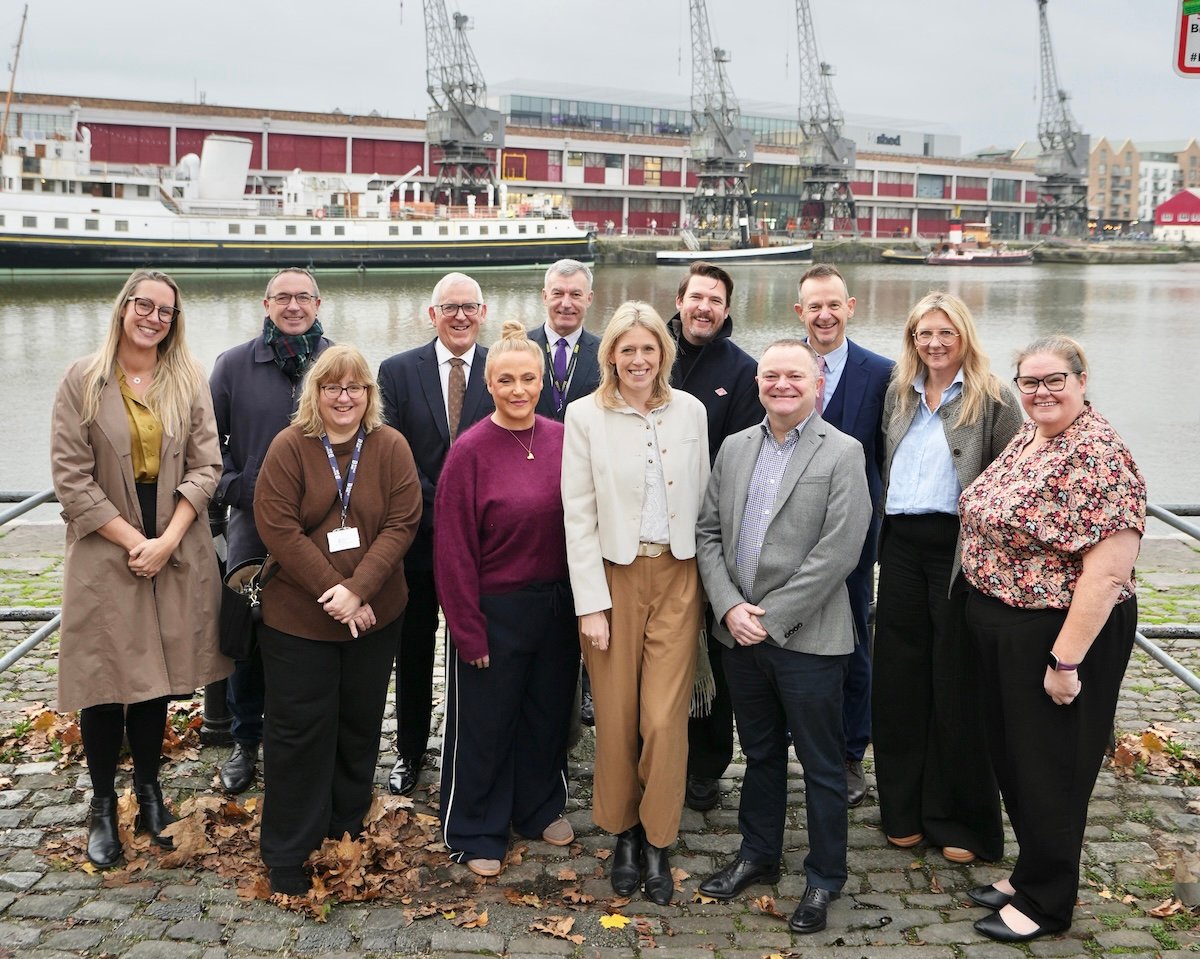
High Streets UK members met in Bristol to press for changes to the Visitor Levy (England) Bill.
High Streets UK represents more than 5,000 businesses across England, Scotland and Wales. Its members say the levy, as currently designed, risks burdening hotels and deterring visitors rather than strengthening the visitor economy.
The group wants an easy-to-administer flat-rate option, similar to models used in Paris, Barcelona and Rome. Under the current draft legislation, mayors must use a percentage-based model — a design the Government says keeps charges proportionate to the price of accommodation.
Hoteliers argue that a percentage model will create a significant administrative burden and could become prohibitively expensive at scale. They want businesses to have a meaningful role in deciding how levy revenue is reinvested locally.
Members heard from Essential Edinburgh, where a five per cent visitor levy was introduced in July.
By August, hotels were reporting operational problems to the Scottish Tourism Alliance, including booking platforms miscalculating the charge and extras such as breakfast having to be removed from bills.
Staff were reportedly spending around eight minutes manually correcting individual bills, with the STA warning that the total cost could run into millions.
Modelling by Oxford Economics, cited by High Streets UK, suggests a five per cent levy could reduce paid accommodation nights across the UK by 11.9 million and cut tourism spending by £1.8 billion.
The group says Bristol would see a 3.1 per cent drop in visitors – among the steepest of any UK city – while London would become the world’s second-most-taxed visitor destination at a 5% rate, behind Amsterdam.
High Streets UK points to Liverpool’s Accommodation BID, which has charged a simple flat rate of £2 per room per night since 2023. It says the model has supported events generating more than £86 million for the local economy, with a further £132 million events pipeline.
Under that model, hoteliers decide how receipts are spent, with funds ring-fenced for the visitor economy.
Vicky Lee, director of place at Bristol BID, said the levy could still be an opportunity if businesses are properly involved. “Introduced in the right way, the levy could present a real opportunity to strengthen Bristol’s visitor economy, attract more people to the city and support growth across our hospitality, leisure and retail sectors,” she said.
“However, businesses must be active partners in that process, with a meaningful say in how the revenue generated is reinvested,” she added.
Mehmet Kandemir, general manager of Leonardo Royal Hotel Bristol, said hotels need clarity and a fair deal. “What’s important is that any levy is straightforward to administer, transparent in how the funds are invested and does not place an unfair financial or administrative burden on hotels, particularly at a time when operating costs remain high,” he said.
The levy is part of High Streets UK’s four-point plan, launched at the Labour Party Conference in September.
The partnership is also calling for business rates reform, stronger visible policing and the return of tax-free shopping for international visitors — or an equivalent scheme.
The Government says the levy will apply only to the first 28 consecutive days of a stay and that revenue will remain local, funding improvements such as transport, public spaces, events and attractions.