MPs are set to clash after backing soared piling pressure on Chancellor Rachel Reeves to defend the Treasury’s position on UK pensioners’ personal allowance

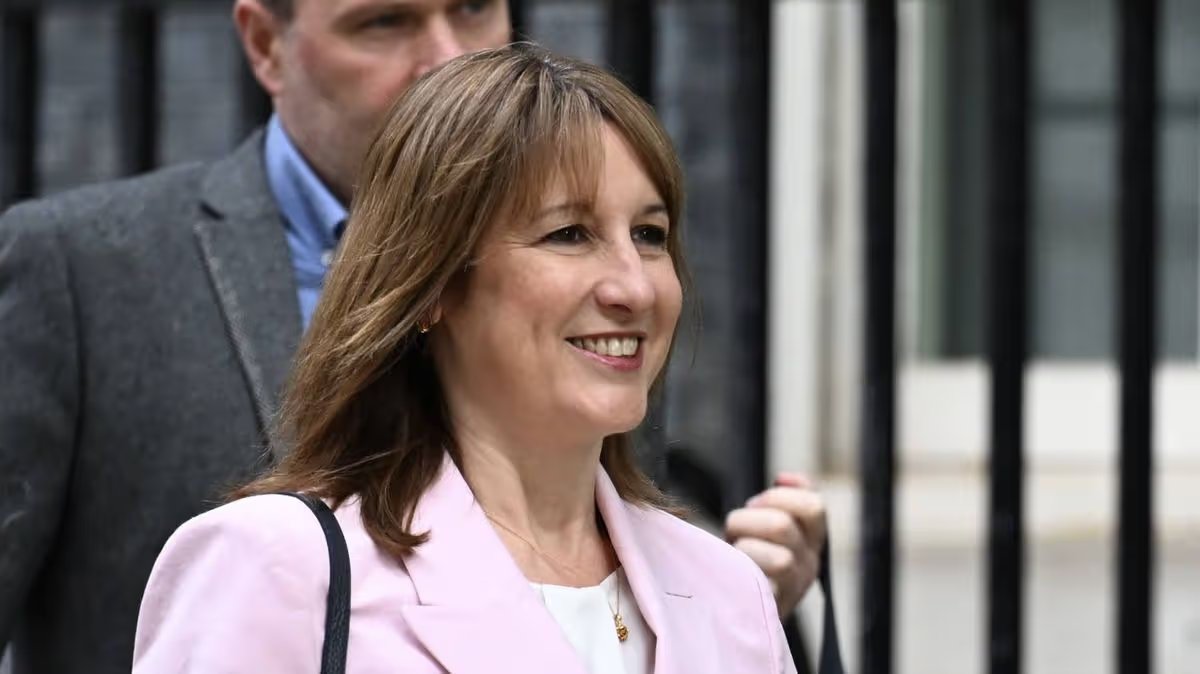
Pressure is growing on Rachel Reeves to change pensioner tax thresholds(Image: Getty Images)
A significant development has emerged for pensioners hopeful that Chancellor Rachel Reeves will double the income tax threshold for those receiving the state pension. A now-closed petition on the Parliament website amassed 119,206 signatures, and officials have confirmed it will be brought before MPs for debate on June 15 — heaping further pressure on Ms Reeves, as Treasury ministers will be compelled to set out their policy stance.
At present, the personal allowance stands at £12,570 before individuals become liable for income tax. Forecasts suggest that by 2027, the state pension will exceed this figure as a consequence of the triple lock mechanism. While Ms Reeves has indicated that those in receipt of only the full new state pension will not face a tax liability, many others risk being pulled into paying additional tax.
The petition calls for pensioners to be allocated a separate tax code, enabling them to earn up to £25,140 tax-free. The forthcoming parliamentary debate means Ms Reeves’ Treasury will be required to defend its position and offer clarity on its future intentions. The petition proposes that pensioners should benefit from a £25,140 earnings threshold before becoming subject to tax — double the existing £12,570 personal allowance.
During her second Budget, the Chancellor announced tax increases totalling £26 billion across numerous sectors, described at the time as a “smorgasbord” approach intended to generate additional fiscal headroom for her spending and borrowing commitments. Amongst the announcements was the decision to keep income tax thresholds frozen, despite widespread speculation that the main rate might increase for the first time in decades. This maintained the basic personal tax allowance at £12,570 until 2031, a decision that could carry substantial consequences for state pensioners.
The petition states: “Introduce new tax code for state pensioners with double the personal allowance. We want the government to introduce a new tax code for state pensioners, set at double the basic threshold. If this was implemented, pensioners would receive a higher tax-exempt limit, but wealthier pensioners would still pay tax.”
“We think that people with small private or workplace pensions are currently being taxed unfairly.”
The Treasury issued a response to the petition following it surpassing 10,000 signatures. It stated: “The State Pension is the foundation of support for pensioners. The Government is committed to a fair tax system but doubling the Personal Allowance for pensioners would be untargeted and costly.
“The State Pension is the foundation of support available to pensioners. The government is committed to the Triple Lock – one of the most generous State Pension uprating mechanisms in the world – for the duration of this Parliament. This will increase the basic and new State Pension by 4.8% next April, boosting pensioner incomes by up to £575 a year and strengthening retirement security.
“The Personal Allowance is already the highest amongst G7 countries. Doubling this allowance for all pensioners would be costly and untargeted – disproportionately benefiting higher-income pensioners.
“As announced at the Budget, the government will ease the administrative burden for pensioners whose sole income is the basic or new State Pension without any increments so that they do not have to pay small amounts of tax via Simple Assessment from 2027-28, if the new or basic State Pension exceeds the Personal Allowance from that point. The government is exploring the best way to achieve this and will set out more detail next year [2026].”
During her Budget address in November, Ms Reeves pledged that those receiving solely the full new state pension would be shielded from taxation or the requirement to submit tax returns, albeit without clarifying the precise mechanism for doing so. The Treasury has since revealed it will draw up detailed proposals throughout 2026.
To view the petition, click here.