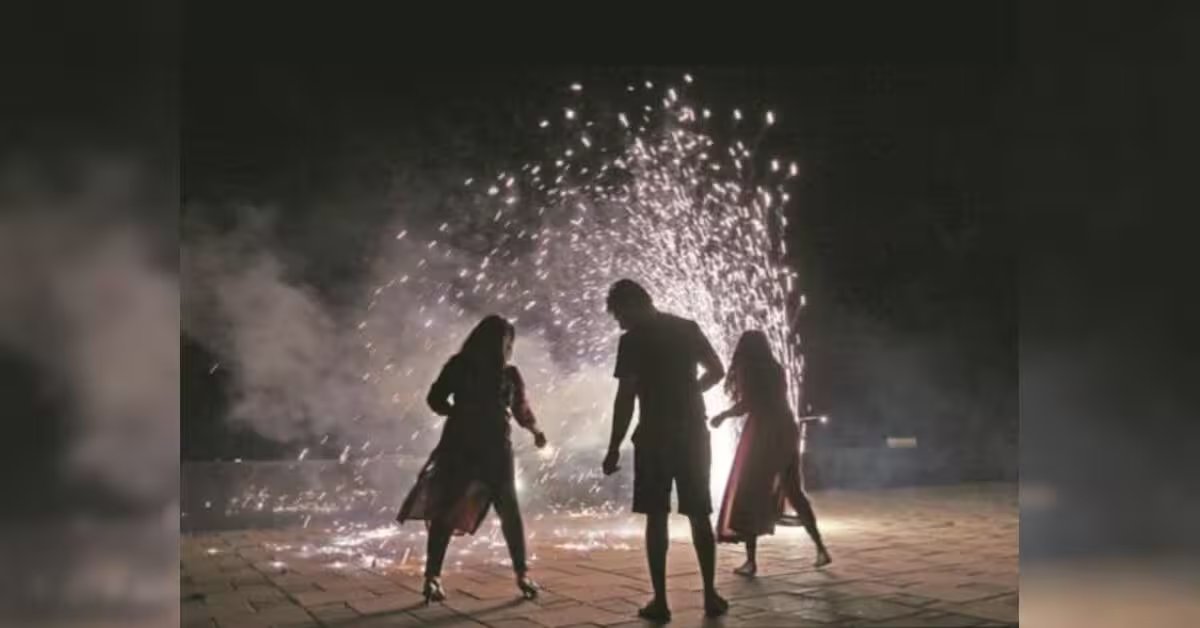
With Diwali two days away, households preparing to celebrate the festival may need to consider the financial risks associated with firecrackers. Burns, eye injuries, accidental fires and damage to property can result in unexpected expenses. While some insurers and digital platforms offer short-term firecracker insurance policies at premiums starting as low as Rs 11, experts say consumers should first understand what their existing insurance policies cover.
Firecracker insurance is a short-term micro product that provides limited financial protection against accidents involving firecrackers. Depending on the policy, it can cover eligible medical expenses, hospitalisation, day-care procedures and accidental death.
However, such policies have relatively low coverage limits and are primarily designed to supplement existing insurance rather than replace comprehensive protection.
What does firecracker insurance cover?
Rakesh Kumar, managing director and founder of Square Insurance, said standalone firecracker insurance policies generally offer coverage for hospitalisation, eligible day-care procedures, burn injuries and accidental death, depending on the product.
Medical and burn-related coverage typically ranges between Rs 10,000 and Rs 25,000, while accidental death benefits can go up to Rs 50,000 in some products, he said.
Niharika Saigal, head of insurance and in-app categories at PhonePe, said the product is designed to complement existing health and personal accident insurance rather than replace comprehensive coverage.
A key consideration for buyers is that these policies have limited sums insured. A medical cover of Rs 25,000, for example, may provide some financial assistance but may not be sufficient to meet the cost of serious burns or injuries requiring surgery and prolonged hospitalisation.
Will your regular health insurance cover firecracker injuries?
Consumers do not necessarily need a separate firecracker policy to cover medical expenses arising from such accidents.
Kumar said most standard health insurance policies cover medically necessary hospitalisation resulting from accidental burns, firecracker injuries and eye damage, subject to the policy’s terms and conditions.
A firecracker injury is generally treated as an accidental injury rather than a separate category of illness, he said.
However, there is an important distinction between hospitalisation and outpatient treatment. Minor burns, outpatient consultations, dressings, rehabilitation and follow-up treatment may not be covered unless the policy specifically includes these benefits.
Rakesh Goyal, director of Probus, said health insurance is the primary financial protection when a firecracker accident results in serious injuries requiring hospitalisation. It can cover eligible expenses such as intensive care, surgery and doctors’ fees.
He also cautioned that consumers should check exclusions. Lighting banned or illegal firecrackers, or engaging in activities involving extreme negligence, could affect claim eligibility under applicable policy conditions. Routine outpatient treatment may also have to be paid for by the policyholder.
A Rs 1.15 lakh hospital bill: How can insurance help?
Kumar illustrated the financial implications through the hypothetical case of a 35-year-old working professional, Mr X, who suffers serious burns to his right hand and an eye injury while bursting firecrackers during Diwali.
Suppose his surgery and hospitalisation cost Rs 1.15 lakh.
If he has a health insurance policy with a sum insured of Rs 5 lakh, and the entire treatment expense is admissible, his insurer could cover the Rs 1.15 lakh bill, subject to applicable exclusions, deductibles and co-payments.
Now suppose he also has a standalone firecracker policy offering Rs 25,000 in eligible medical coverage. This could provide additional financial assistance, depending on the policy’s claim conditions.
If the accident also results in permanent impairment of his eyesight or hand, a personal accident policy could provide a separate lump-sum payout for specified disabilities, subject to its terms and disability assessment, Kumar explained.
The example highlights why consumers should examine the benefits of each policy rather than assume that one insurance product will cover every financial consequence of an accident.
Should you buy a separate firecracker policy?
Experts suggest reviewing existing insurance protection before purchasing an additional festive cover.
Goyal said three types of insurance play different roles in protecting households against firecracker-related accidents.
Health insurance: Covers eligible medical expenses arising from hospitalisation, including treatment for serious burns and eye injuries.
Personal accident insurance: Provides a lump-sum benefit in case of accidental death or specified permanent disability. It can help a family manage financial obligations if the earning member suffers a life-altering injury.
Home insurance: Can protect insured property and household contents against fire-related damage, subject to policy conditions.
Goyal cautioned that a festival-specific policy should not be treated as a replacement for these covers. Consumers should also check whether property damage and third-party liability are included rather than assume that every firecracker-related loss is covered.
Saigal said a dedicated short-term policy could provide an additional layer of financial security against festive-season risks.
Before purchasing, check these points:
- The maximum medical and accidental death benefits.
- Whether hospitalisation and day-care procedures are covered.
- Whether outpatient treatment and follow-up expenses are excluded.
- The policy’s start date, validity and claim conditions.
- Exclusions relating to illegal firecrackers or negligence.
Ultimately, a low-premium firecracker policy can offer supplementary protection, particularly to people with inadequate existing coverage. But consumers should not mistake a Rs 10-Rs 25 premium for comprehensive financial security. Reviewing health, personal accident and home insurance remains the more important step before the celebrations begin.