High energy prices have wiped £30 billion off the UK economy, leaving us dangerously exposed to global energy shocks and industrial decline.
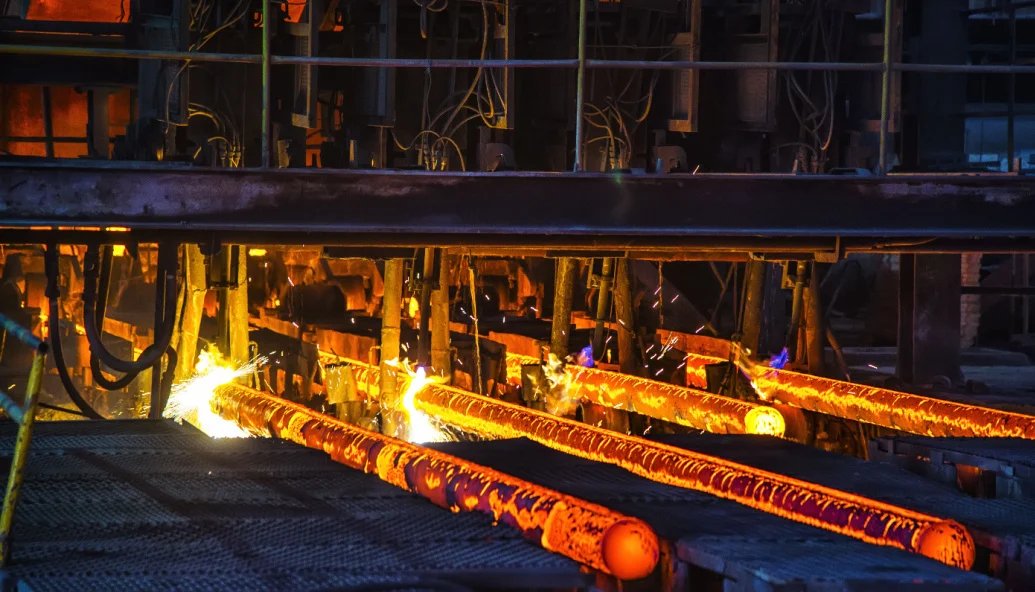
The stark figure comes in EY’s latest UK Economic Outlook, which says energy-intensive industries including steel, chemicals, glass and ceramics have significantly underperformed the wider economy in recent years as electricity prices surged above European competitors.
EY found that while the wider UK economy grew by more than 6% between 2019 and 2025, energy-intensive sectors shrank by 8%.
If those industries had simply kept pace with overall economic growth, UK GDP would have been around £30bn higher last year.
The report lands as Britain faces renewed pressure from the Middle East energy crisis and volatile oil and gas markets linked to the Iran conflict.
EY has now cut its UK growth forecast for 2026 from 1.3% to 0.8%, warning that higher wholesale energy costs are feeding directly into inflation, business costs and weaker consumer spending. Treasury figures released today showed growth at 0.6% for the first three months of 2026
Inflation is expected to rise above 4% by the end of the year, with the Bank of England now forecast to hold interest rates at 3.75% throughout 2026 rather than cutting rates as previously expected.
EY said Britain’s industrial base was particularly vulnerable because UK industrial energy prices have risen much faster than elsewhere in Europe since 2019.
The report also warns that if disruption in the Strait of Hormuz continues for longer than expected, UK growth could slow further to just 0.3% this year.
Heavy manufacturing and energy utilities are forecast to remain under pressure over the next five years as businesses grapple with elevated electricity costs and weaker investment conditions.
The findings add further weight to Labour’s push to delink electricity prices from gas and accelerate investment in domestic clean power generation.
The government has increasingly framed renewables, nuclear and grid reform not just as climate policy but as economic resilience policy after repeated global fossil fuel shocks.
EY’s analysis suggests the economic consequences of failing to solve Britain’s energy cost problem are now becoming impossible to ignore.
Copyright © 2026 Energy Live News LtdELN