Tax officials are consulting on proposals to dramatically expand the Government’s “Uncertain Tax Treatment” regime – forcing wealthy individuals and trusts to flag tax arrangements worth £5million or more that HMRC may disagree with.
The move would significantly widen powers first introduced in 2022 for large corporations and could pull inheritance tax, capital gains tax, stamp duty and National Insurance into the spotlight.
Under the plans, individuals and trusts benefiting from certain tax interpretations would effectively have to report themselves to HMRC, allowing the tax authority to investigate whether the rules had been applied correctly.
The regime was originally designed for giant businesses with turnover above £200million and balance sheets exceeding £2billion as part of efforts to shrink Britain’s massive tax gap.
Government figures show the tax gap reached a staggering £46.8billion in 2023-24 – the difference between what HMRC believes should be paid and what is actually collected.
But critics point out that only around 10 per cent of the gap is linked to individual taxpayers, while small businesses account for the majority.
Now some wealth advisers fear ministers are increasingly targeting affluent Britons as pressure mounts to raise more tax revenue.
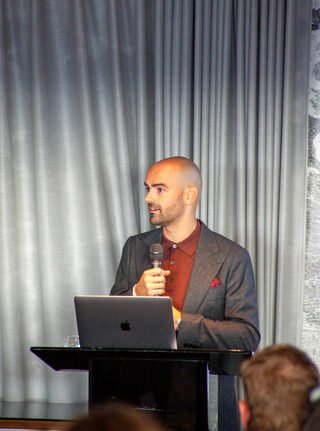
Marc Acheson, Global Wealth Specialist at Utmost, warned the latest proposals could have “unintended consequences” for the UK economy.
He said: “This consultation is the latest in a series of policy initiatives aimed at targeting wealthy individuals to plug fiscal gaps and raise tax revenue.”
Recommended reading:
Critics also argue the new rules could create uncertainty for families and trusts trying to manage inheritance and investment planning legally, but others say that taxing the wealthy is fairer than squeezing lower and middle earners in a cost of living crisis.
HMRC says the proposals are aimed at improving transparency and reducing disputes caused by differing interpretations of tax law.
For many wealthy taxpayers, the changes may fuel concerns that Britain’s tax net is stretching wider.