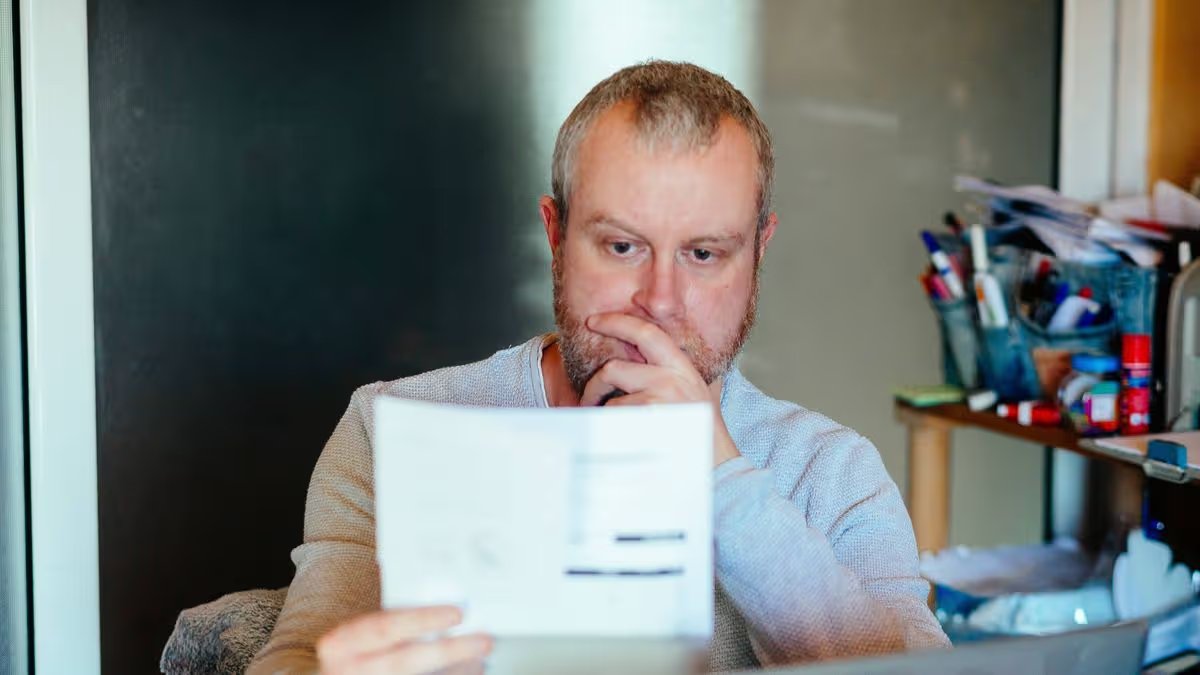
Millions of households are being given the opportunity to dramatically reduce their energy bills
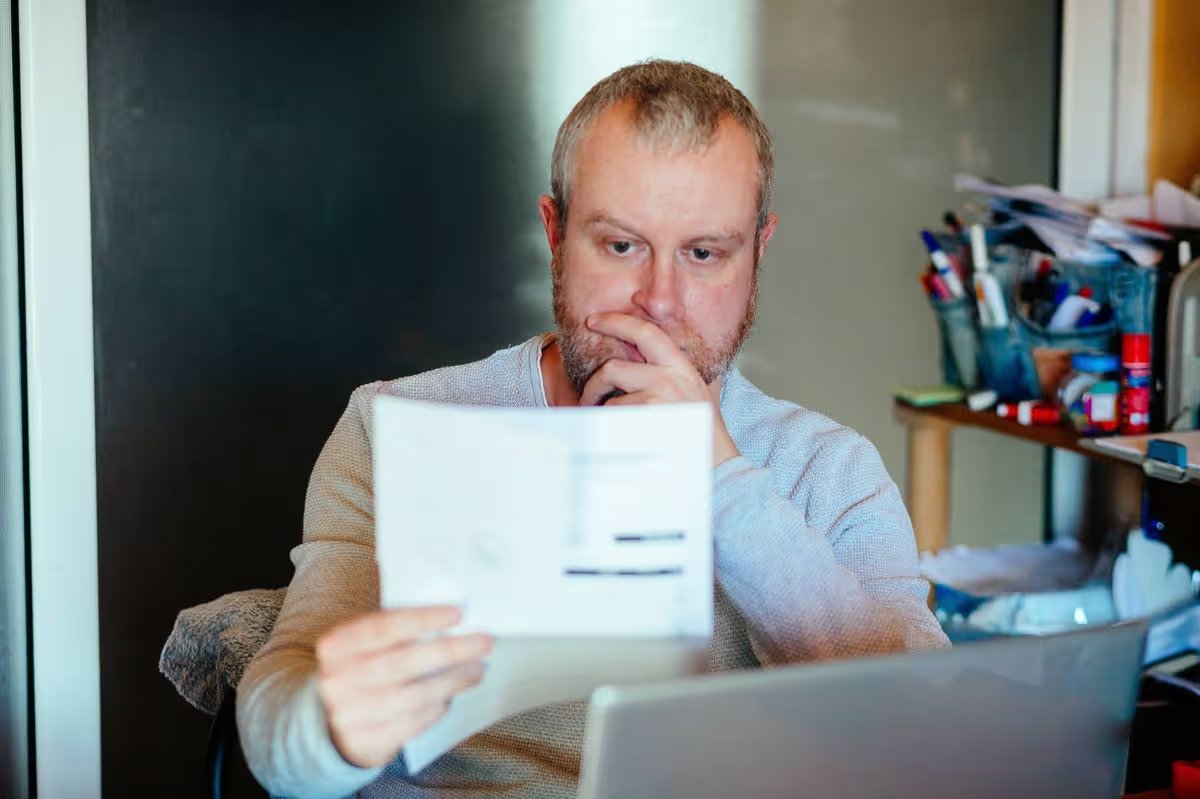
The offer arrives amid Ofgem’s announcement of a rise in the energy price cap from July 1(Image: coldsnowstorm via Getty Images)
Millions of households are being given the opportunity to dramatically reduce their energy bills with up to 80 hours of free electricity this summer, thanks to a new scheme launched by EDF.
The offer arrives amid Ofgem’s announcement of a 13% rise in the energy price cap from July 1 to September 30, heaping yet more pressure on already squeezed household finances. EDF’s “Sunday Saver” challenge rewards customers for reducing their electricity consumption during weekday peak hours between 4pm and 7pm. In exchange, households can earn between four and 16 hours of free electricity to use on selected Sundays throughout June and July.
The energy supplier revealed that participating customers typically rack up around 20 hours of free electricity per month, with average savings of £6.62 monthly in bill credits – the equivalent of nearly £80 a year. The biggest users of the scheme, those in the top half of participants, have saved an average of £12.41 a month, or close to £149 annually.
EDF confirmed that households could pocket as much as 80 hours of free electricity across five Sundays this summer by moving energy-heavy tasks such as laundry, cooking and charging electric vehicles outside of peak times.
Joe Souto, director of retail at EDF, said: “Sunday Saver offers an easy way to start, giving people a straightforward introduction to flexibility by shifting electricity use away from peak times, saving money while easing pressure on the grid. There are no catches; customers can flex their electricity use to earn free electricity every Sunday as a thanks from us. Even shifting as little as 5% can earn four hours of free electricity.”
Those with a functioning smart meter transmitting half-hourly readings can register until May 31. Participants will then be able to utilise their complimentary electricity on June 14, 21 and 28, along with July 5 and 12.
EDF revealed that over 24.1 million hours of free electricity have been distributed since the programme began in 2024, representing approximately £7.8million in household savings. Consumer organisations have progressively encouraged families to explore so-called ‘demand flexibility’ initiatives, which incentivise customers for cutting energy consumption during times when the grid faces its greatest pressure.