He spoke out Universal Credit and pensioner income

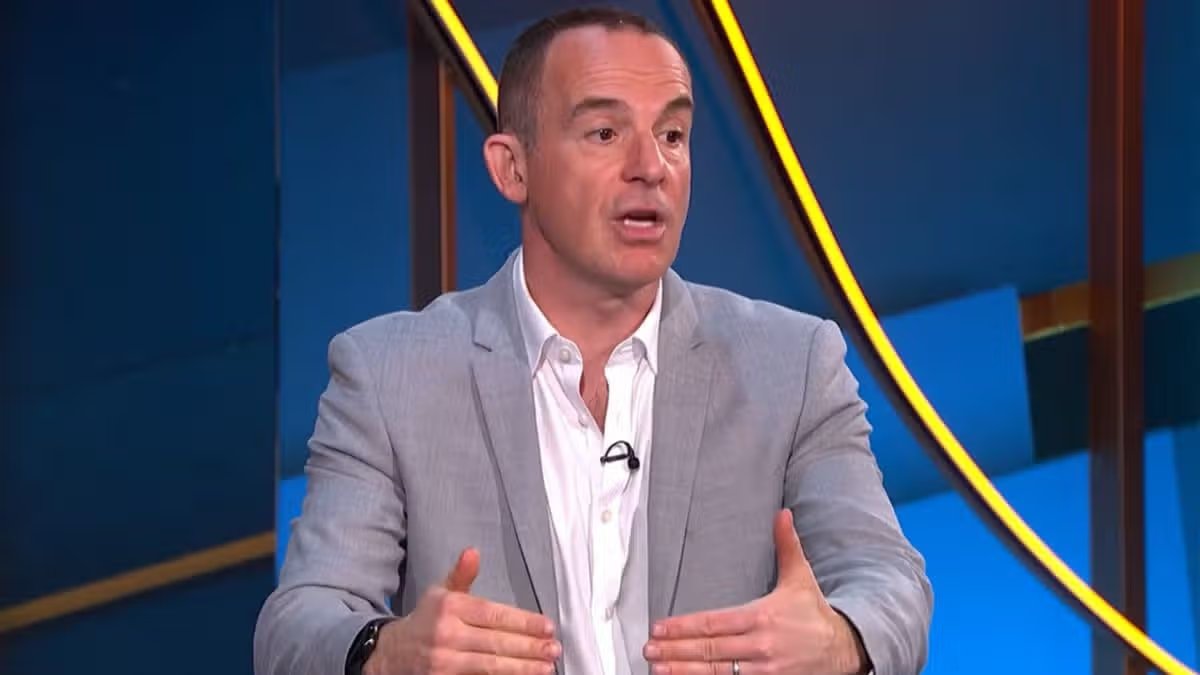
Martin Lewis has spoken about taxes that apply to DWP benefit claimants(Image: ITV)
Martin Lewis has spoken out to clarify which DWP claimants have to pay tax. He had some words to say about Universal Credit and pension income.
The issue came to light after he put a poll on social media asking his fans how they think their standard of living compares with the UK average. The four options were your standard of living is either higher than the average, about the same, lower, or you don’t know.
One person disagreed with the wording of the question, saying it “should have been directed to taxpayers only” as “they will feel worse off”. The person also asserted: “If they’re on benefits, they’ll definitely be better off.”
‘Huge overlap’
Mr Lewis responded to this to say he disagreed with this stance. He said: “There’s no you either pay tax or receive benefits rule. There’s a huge overlap between those two.
“And those who only receive benefits and don’t pay tax almost invariably earn far less than those who pay tax and don’t receive benefits.” The person replied to this to clarify that they were referring to income tax, rather than any other taxes.
But Mr Lewis said the principle still applies, explaining: “Again income tax too. 40 per cent on Universal Credit are working. There’s also pension income which is taxable. So those on benefits do pay income tax.”
In line with the personal allowance, you can earn up to £12,570 a year without paying income tax. You could be earning above this amount and paying tax, but still be claiming Universal Credit.
If you are in work, your income can reduce your benefit award. For Universal Credit, the rules state that for each £1 you or your partner earn from employment- this is after tax and National Insurance has been deducted – you lose 55p of your entitlement.
Tax on the state pension
Looking at pensioners, if you are on the state pension, your payments are taxable so can be hit with income tax. The full new state pension is still just below the personal allowance threshold, as it pays £241.30 a week, worth just over £12,550 a year. But with the triple lock increase from next April, the full new state pension will cross the line into attracting an income tax bill, under current rules.
Under the triple lock measure, state pension payments rise each April in line with whichever proves to be highest of three numbers: 2.5 per cent, the rise in average earnings or inflation. However, Labour has announced a new policy to address this question of tax on the state pension.
At the Autumn Budget 2025, Chancellor Rachel Reeves announced the Government would bring in a policy to ensure those whose only income is the state pension without increments would not have to pay any income tax on their payments. The full details of how this will work have yet to be announced.
Top HMRC officials told MPs in January 2026 that new legislation would need to be enacted to implement this change.