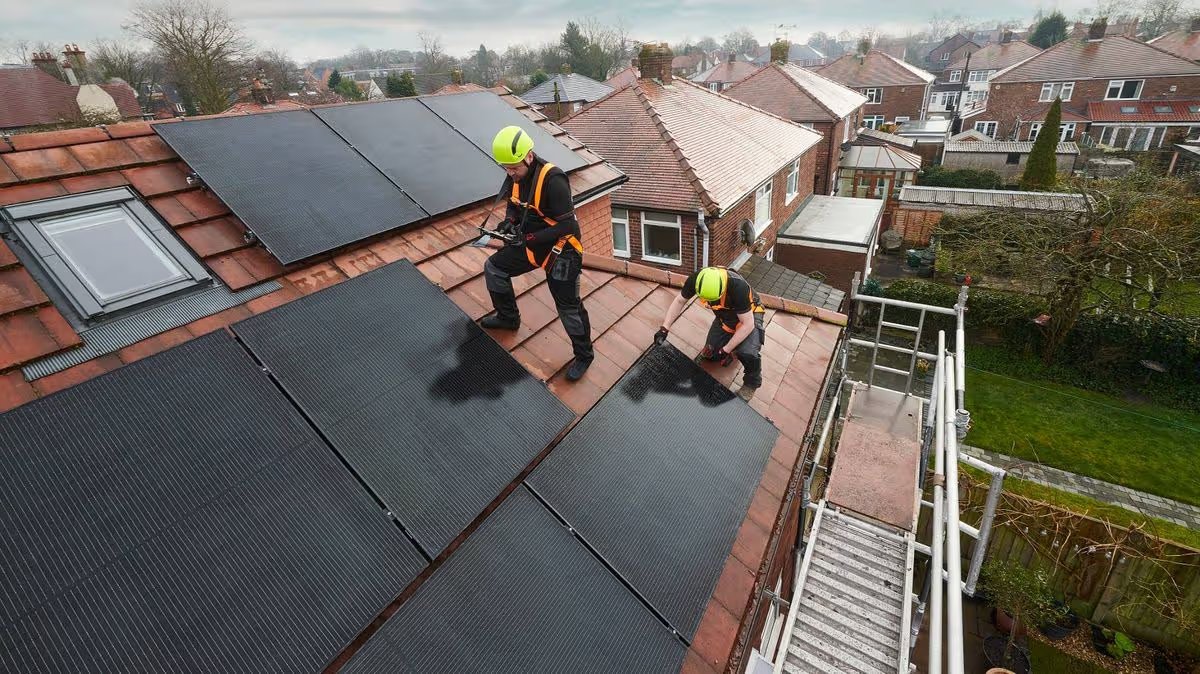
Solar panels could help UK households save up to £500 a year on energy bills, but it’s important to understand the costs and benefits of solar panel installation before making any decisions
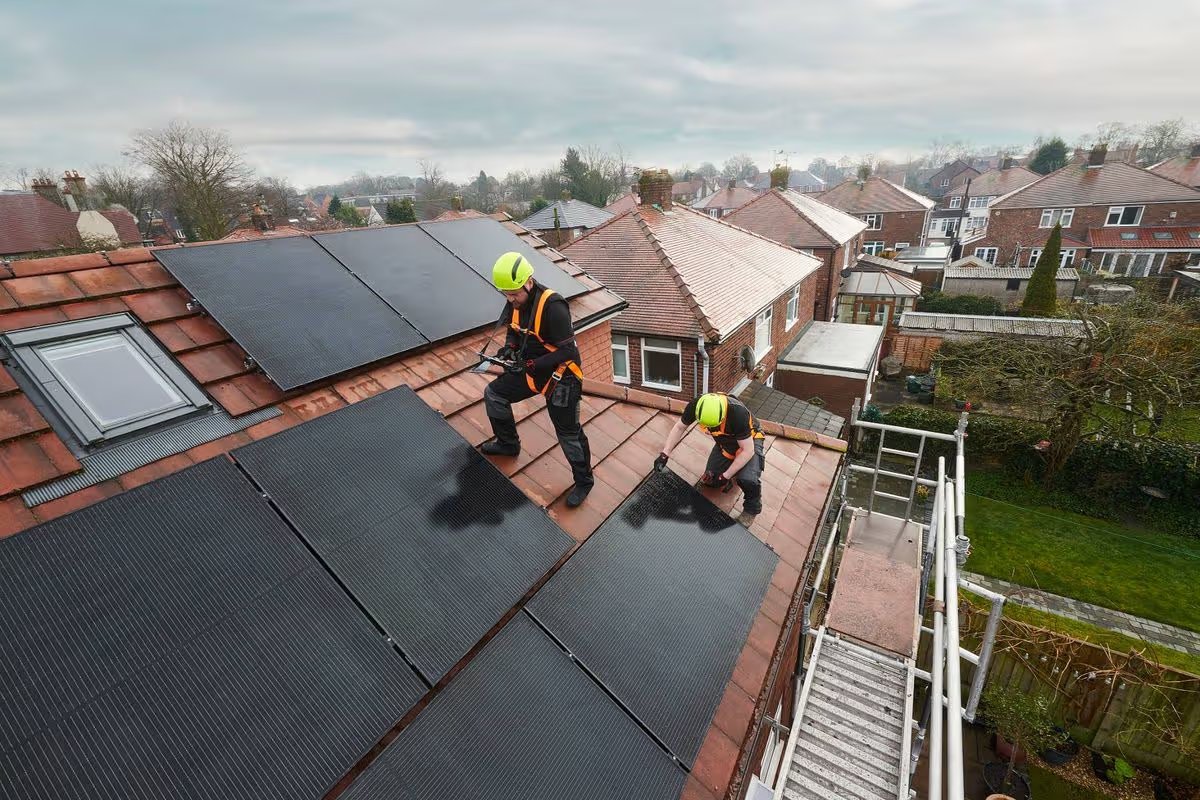
(Image: Getty Images)
With escalating oil prices meaning numerous UK households could encounter steeper bills, it’s no wonder that Britons are searching for methods to cut costs.
Regarding power generation, solar panels can frequently prove an appealing option; findings from the Energy Saving Trust have revealed that in certain cities including London and Manchester, Brits might save over £500 annually by incorporating the systems into their properties. Having these fitted is simpler than ever as well, with companies such as Solar4Good providing rapid quotes and overseeing the installation, alongside warranties extending to 25+ years.
Meanwhile, the UK government has unveiled proposals to introduce ‘plug-in’ solar panels for balconies and outdoor areas, with Lidl and Iceland anticipated to be among the retailers to stock them on their shelves.
Having a solar panel system fitted at your property could prove instrumental in helping reduce your bills. We examine three essential things you should understand about solar panels…
1. Initial installation costs
It’s important to recognise that installations do involve a wallet-bruising initial expense; according to the Energy Saving Trust, the typical domestic solar panel system costs roughly £6,100 to install. The overall expense, however, is entirely dependent on several factors, including the size of the system, whether it’s being incorporated into your property, and even how accessible your roof is. Specialist companies such as Solar4Good can provide quick and simple quotes, while also handling installation and offering long-term warranties of up to 25+ years.
Meanwhile you can also find quotes from the likes of Eon and Octopus Energy, while Wickes offer free solar appointments.
2. They can reduce energy bills
The most compelling attraction of solar panels is their potential to help cut your bills over time. As they produce clean electricity from sunlight, they reduce your dependence on the national grid and the associated costs. (In certain circumstances, you may even be able to sell any surplus electricity you generate under the UK government’s Smart Export Guarantee scheme, which allows you to sell excess power back to the grid.)
Research conducted by the Energy Saving Trust found that across several UK cities, households could potentially save upwards of £500 annually by installing solar panel systems — though it’s worth bearing in mind that savings vary considerably depending on factors such as your location. Combining them with other energy-saving measures could also prove vital; according to Solar4Good, pairing solar power with storage and smart EV charging is how some households can slash their grid bills by 60–80%. As an added benefit, harnessing solar power could lower your total carbon footprint, since the panels generate clean, renewable energy.
3. Be mindful of your electricity usage times
Power from the national grid costs least during overnight hours, when demand drops to its lowest point. (Typically from around midnight until 6am). Peak periods usually occur in the evenings when everybody’s at home and operating appliances, which carries a steeper price on certain tariffs.
If you’ve installed solar panels and opted for a system featuring battery storage that extends into evening hours, you might be able to avoid more costly periods using your own stored electricity.
Considering that companies such as Solar4Good provide long-term warranties of up to 25+ years, it could represent a worthwhile investment for your ‘forever home’.
Alan Pennington, spokesperson for Karas Plating who conducted research into solar panel usage, said: “It is [also] worth thinking about how energy is used in the home. Solar works most effectively when the electricity generated is used during the day, so households that run appliances during daylight hours often see the biggest savings. Choosing a reputable installer and understanding the available export schemes can also make a big difference in how quickly the investment begins to pay off.”