
Commission President Ursula von der Leyen presented the package, called AccelerateEU, on Wednesday (22 April), after weeks of speculation.
She said: “We must accelerate the transition to domestic, clean energy. This will give us energy independence and security and mean we can better weather geopolitical storms.”
Measures to “deliver both immediate and structural relief for European citizens and businesses” are included in the package, she added, while the Commission’s lead for a Clean, Fair and Competitive Transition, Teresa Ribera, said measures will “protect the most vulnerable, while accelerating the deployment of clean, domestically produced energy and electrification to make a real and lasting difference”.
AccelerateEU is headlined by a proposal to ensure that electricity is taxed at a lower rate than natural gas. This could help reduce the bloc’s imports and also make the case for electrifying heat and transport stronger for businesses and homes alike.
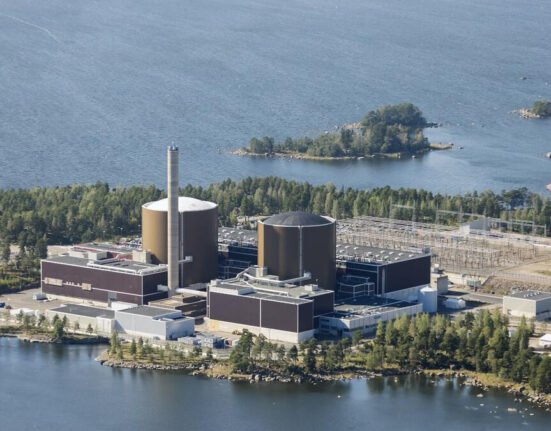
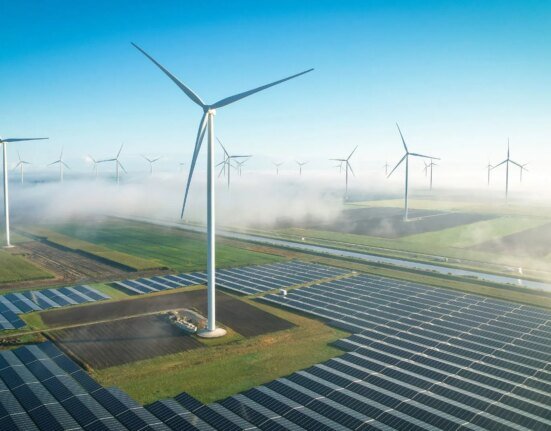
More of this electricity should be low-carbon, the package stipulates. It urges EU member states to extend the life of nuclear power plants and renewable energy generators, and to accelerate the rollout of new clean generation infrastructure – large and small.
Countries should also double down on plans to increase the domestic production of biomethane, other biofuels and low-carbon hydrogen.
The package does not override the overall emissions goals set in the Clean Deal, nor other existing targets to scale low-carbon energies.
Subsidy drive
Elsewhere, the Commission intends to tweak the tax and spending rules that EU member states are required to follow. Countries will have new powers to lower electricity taxes to zero for vulnerable households and industries, as well as to increase subsidies for the most-affected industries.
Among these industries are aviation, chemicals and agriculture. A specific change has been made to enable member states to subsidise up to 50% of fuel or fertiliser price increases with grants where it is deemed necessary.
Since the US and Israel’s first strikes on Iran in late February, Brent crude prices have repeatedly exceeded $100 per barrel. In fertiliser, nitrogen-based urea costs are up at least 30% on pre-conflict levels, with some farmers reporting a 100% cost increase for chemical inputs.
Coordinating energy imports and storage
Finally, the package seeks to join up fragmented approaches to tracking and coordinating energy imports and storage.
The EU will coordinate the summer refill of gas storage facilities to avoid competitive purchasing by member states, which drives up prices.
It will also establish a new Fuel Observatory by the end of May. The facility will track jet fuel and diesel stocks and imports. It will be tasked with intervening to make recommendations on optimising distribution to prevent shortages where necessary.
Transport Commissioner Apostolos Tzitzikostas stated this week that there are no “actual shortages” at this point in time, but that his peers are acutely aware of warnings from the industry that the situation could worsen in the months ahead.
AccelerateEU has been presented just one day after the UK set out its own raft of measures responding to the energy crisis.