The shift is already feeding through into forecasts for the energy price cap

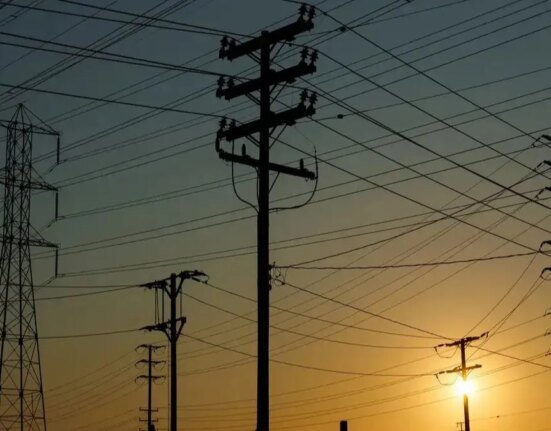
This downturn is already influencing predictions for the energy price cap(Image: brizmaker via Getty Images)
Millions of households across the UK may avoid the steepest energy bill increases previously anticipated.
Following weeks of concern over a possible global gas shortage tied to tensions with Iran and disruption in the Strait of Hormuz, energy markets have stabilised significantly. UK gas prices, which soared to a three-year peak of 180p per therm in March, have now tumbled to approximately 104p – lower than January’s levels. European prices have mirrored this decline, falling from €74 per megawatt hour to roughly €41, sparking optimism that families might be spared the worst financial impact.
This downturn is already influencing predictions for the energy price cap – the critical benchmark determining what most households pay. Recent analysis from Cornwall Insight indicates bills will increase by approximately 13% in July – a considerable reduction from the 20% hike feared just weeks earlier. This would push a typical annual bill to £1,861 – less than £20 extra per month compared to present rates.
While still representing a rise, it’s considerably less punishing than many had anticipated – and markedly different from the eye-watering costs experienced following Russia’s invasion of Ukraine, when bills temporarily exceeded £4,000 before government intervention imposed limits.
The drop in gas prices will provide significant relief to Chancellor Rachel Reeves, who faces growing pressure on public spending. Reduced wholesale costs could also help curb inflation and lower government borrowing costs, after gilt yields surged sharply in the early stages of the conflict. This would be welcome news for the Chancellor, given that the IMF warned just this week that the UK is particularly exposed to energy price shocks.
The IMF downgraded its UK growth forecast for this year, though this may have been overly gloomy in light of figures released today showing GDP in February climbed by a better-than-expected 0.5%.
James Carter, co-head of fixed income at investment firm W1M, described the fall in wholesale prices as “a clear positive for the gilt market”, adding it would “cap the near-term inflation spike and reduce the risk of second-round effects”.
He added: “That keeps the Bank of England on track to resume its pre-crisis path of gradual rate cuts.”
The reversal in prices has been driven partly by weaker demand from Asia, particularly China, where energy producers have increased coal-fired generation rather than competing for limited gas supplies. This has freed up shipments of liquefied natural gas (LNG) for Europe, helping to steady markets despite continued disruption across the Middle East.
Massimo Di Odoardo, of consultancy Wood Mackenzie, told the FT: “Chinese LNG demand has been in freefall since the start of the conflict. That has been limiting competition for available spot cargoes and kept a lid on prices.” Supply levels have also demonstrated greater strength than anticipated, with producers outside the Middle East ramping up production to capitalise on previous price surges.
Analysts at UBS noted there had been “a clear supply response” from international facilities, helping to compensate for the shortfall in deliveries from Qatar and the UAE.
Nevertheless, specialists caution the circumstances remain precarious. Qatar – which typically provides roughly a fifth of global LNG – continues to experience substantial disruption, with a considerable proportion of production potentially out of action for years following recent missile attacks.
Anne-Sophie Corbeau, of Columbia University’s Center on Global Energy Policy, cautioned that markets might be underestimating the dangers.
“People are still thinking that this will be over within two or three weeks one way or another and the Strait of Hormuz will reopen miraculously,” she said.
“This may be the case but there’s also a high probability that this won’t be the case.”
Fears also persist that prices could surge once more later in the year should Europe encounter difficulties replenishing gas reserves over the summer months.
Craig Lowrey, principal consultant at Cornwall Insight, suggested the market could be in “the calm before the storm”, with supplies at risk of becoming “increasingly constrained”.