The UK Health Security Agency has issued an urgent appeal

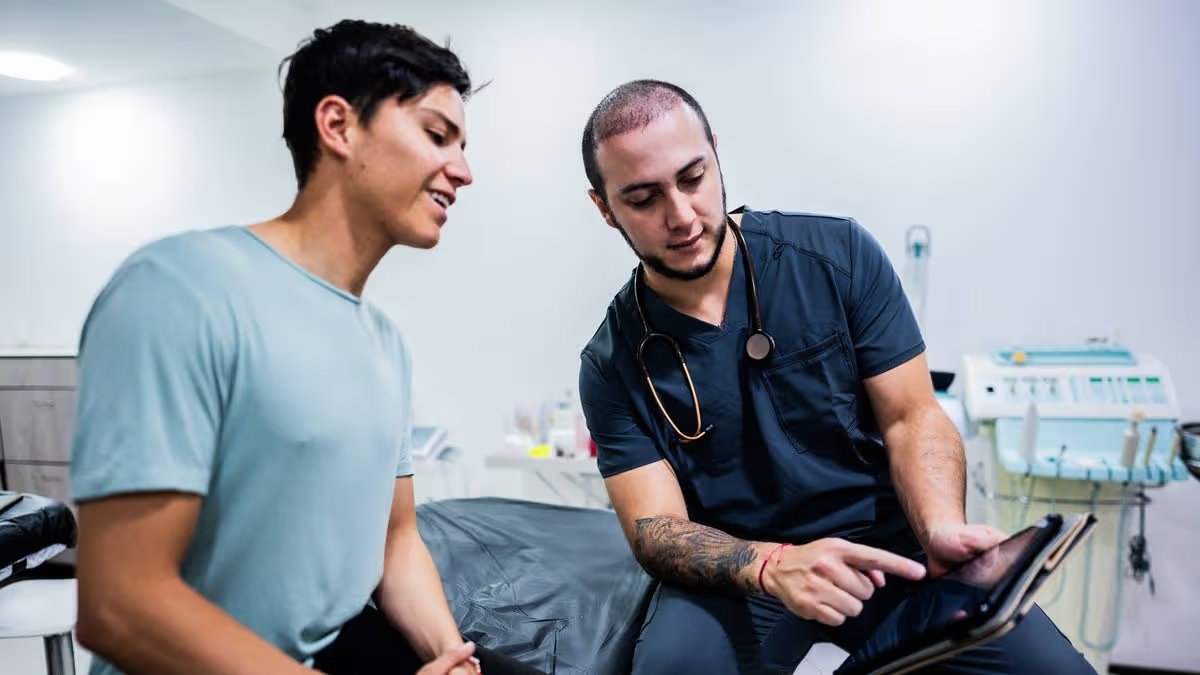
Officials stressed the offer will not stretch to everyone on campus(Image: Frazao Studio Latino via Getty Images)
Health bosses have launched an urgent plea to families to check whether they are eligible for a vital NHS programme.
The UK Health Security Agency (UKHSA) has taken to social media advising parents to “tag” anyone in Year 13 or heading to university this autumn, warning that thousands of eligible teenagers risk missing out on the jab against meningococcal B (MenB). In a post shared with its 190,000 followers, the agency urged: “Know someone with a child in Year 13? Or heading off to uni later this year? Tag them!” It added that just two doses “helps protect against serious illnesses like meningitis.”
Who qualifies?
According to official NHS guidance, the free vaccine is available to “everyone who completes Year 13 in the summer of 2026, born between September 1 2007 and August 31 2008, regardless of whether they go on to further study”.
Also eligible are “people under 25 who are starting university or moving into certain residential further education accommodation for the first time this autumn, including “international students who may not set foot in the UK until September”.
Officials stressed the offer will not stretch to everyone on campus. Postgraduates and students beyond their first year are not covered by the scheme.
Why the rush?
The one-off programme has been fast-tracked after a string of alarming outbreaks this year, most notably at the University of Kent in March, where two students died.
Meningitis charities say the outbreak claimed the life of 18-year-old Juliette Kenny, whose grieving family have since campaigned for wider access to the jab, with further clusters recorded in Weymouth and Reading.
Health Secretary James Murray said the Kent tragedy and subsequent clusters pointed to a “possible change to the way MenB affects people”, adding that ministers were “acting now to help protect young people at highest immediate risk” while a fuller review is carried out.
Dr Shamez Ladhani, a consultant epidemiologist at UKHSA, said outbreaks of the disease were rare but could be devastating, and that two doses were “essential” to give families reassurance as their children head off to halls.
The disease strikes fast and can be deadly. Meningitis charities warn that meningococcal infection can trigger meningitis and blood poisoning, is “fatal in around 10% of cases”, and can leave survivors with life-changing injuries including amputations, hearing loss and brain damage.
Freshers are especially vulnerable. Health chiefs calculate that first-year university students face a risk of the disease roughly “seven times greater than their peers who do not go on to higher education”, largely because of the close mixing in halls of residence, at parties and on nights out.
UKHSA figures show there were 313 confirmed cases of MenB in England in 2024 to 2025 alone, accounting for some 83% of all invasive meningococcal disease recorded.
Doctors say the bacteria can pass between students through everyday contact – including “kissing, sharing drinks or vapes, or simply living in close quarters for long periods”.
How to get the vaccine
Vaccination will be delivered through the NHS from late July, with the first dose offered from July 20 and the second in August, at least 28 days apart.
Year 13 pupils will be contacted directly by the NHS via text, email, letter or the NHS App and invited to book at a local pharmacy. University and college freshers will instead be able to walk in to a participating pharmacy once term begins.
Families are being told not to delay. While the scheme officially runs until the end of the year for first doses, officials warn that cases of the disease typically surge in October and November – precisely when students are settling into halls – making early protection critical.
Common side effects are said to be mild, and may include a sore arm, a mild fever, headache or nausea, similar to those experienced with other routine vaccinations. Anyone unsure of their eligibility is advised to check the NHS website or contact their GP surgery.