Wes Streeting, the Health Secretary, said: “We want to give patients more control over their own healthcare. Home testing has real potential to make diagnosis faster and more convenient. Getting tested shouldn’t mean unnecessarily taking time off work to travel to a clinic, if it can be as simple as picking up your phone.
“People today expect services delivered to their doorstep, and patients expect that kind of service from a modern NHS too. So we’re exploring what’s possible with self-sampling technology, building on what we already offer for HIV and bowel cancer, with a view to expanding this exciting new technology to more patients.”
No commitment has been made to specific conditions or national introduction, but several are being explored.
The service is in line with an ambition in Labour’s 10-Year Health Plan for more patients to directly access diagnostic tests, removing “time-consuming and inconvenient processes where patients are gatekept unnecessarily”.
Two-tier fears for offline patients
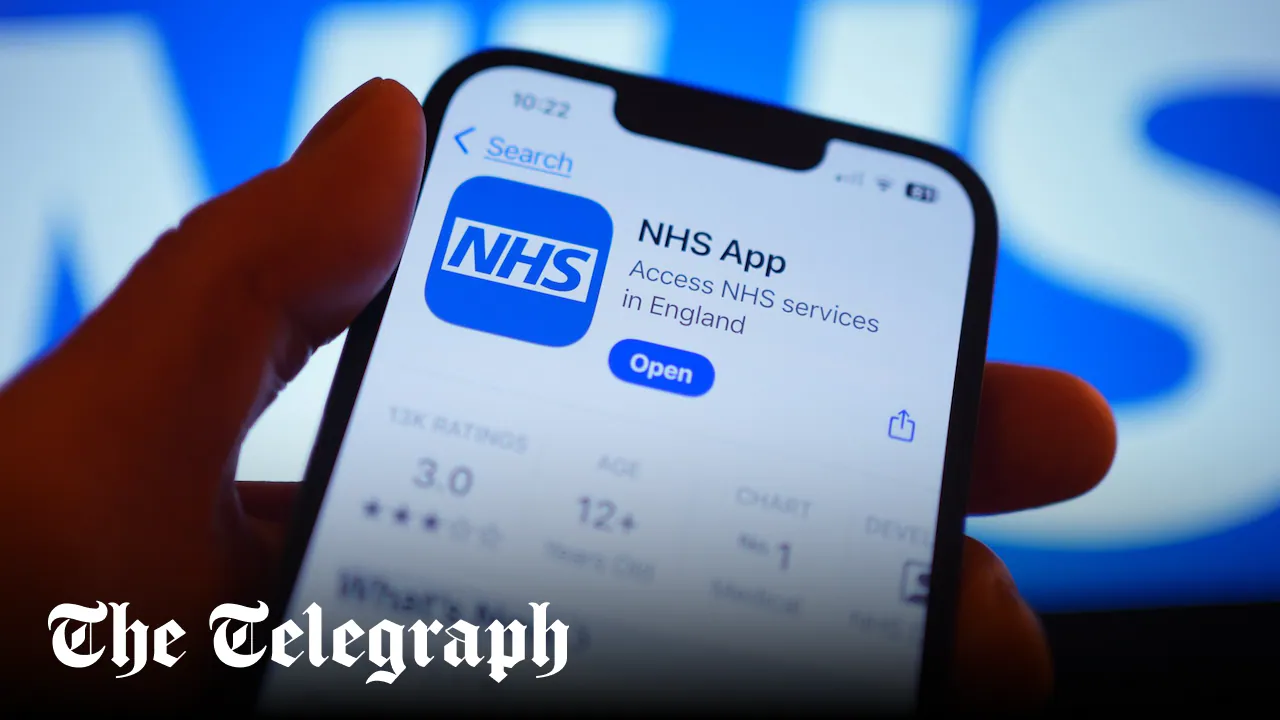
The Health Secretary has said the NHS app will become “a doctor in your pocket”, improving access to care.
However, efforts will need to be made to avoid creating a two-tier service, with worse access for those who cannot or choose not to use the app.
Earlier this week, The Telegraph revealed the rise of chatbots in the NHS had led to some patients being unable to get appointments because AI receptionists could not understand what they were saying.
Rachel Power, the chief executive of the Patients Association, said: “Our research shows that more than three in five patients believe expanding opportunities to test at home could speed up diagnosis, while 77 per cent would be happy to test themselves at home.
“Home testing could be a positive step if introduced carefully, giving patients more convenient access to checks and reducing unnecessary travel and expense. But success will depend on strong clinical oversight, clear follow-up, and making sure patients who are offline or less confident with digital tools are not excluded.”