If you earn less than £18,570 a year from earned income and savings combined, then all your interest from those savings could be tax-free.

UK households can boost HMRC Tax Free Allowance to £18,570(Image: )
UK households can boost their HMRC Tax Free Allowance to £18,570, according to personal finance experts. If you earn less than £18,570 a year from earned income and savings combined, then all your interest from those savings could be tax-free.
Martin Lewis has previously explained how it all works. The 52-year-old ITV star said: “So there are three things most people need to know about. The first is the main one, your tax-free personal allowance, the amount everybody can earn, and it does vary depending on factors, each year in earnings and interest on savings, that you don’t pay tax on. The standard figure is £12,570 a year.
“There’s also the personal savings allowance. If you are a 20% or 40% rate taxpayer, you are allowed to earn a certain amount of interest separately tax-free. Let me show you. So for basic-rate taxpayers it’s £1,000 a year, for higher-rate taxpayers it’s £500 a year. Why? You both get a £200 benefit. 20% of £1,000 and 40% of £500 is £200.
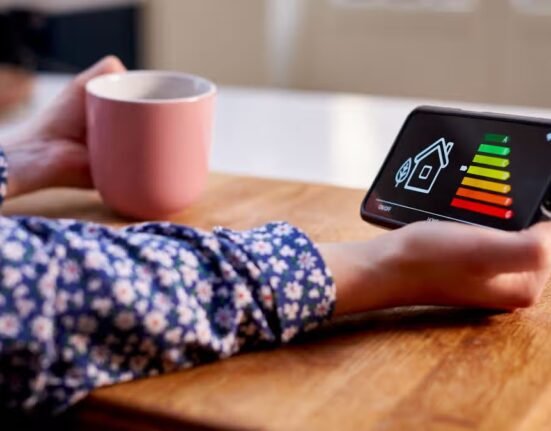
READ MORE Two thermostat mistakes UK households are making and costing them money
“So in the top easy-access savings account at the moment, at 4.75%, to earn £1,000, you’d need about £21,000. For a higher-rate taxpayer, you’d need £10,500 to earn £500. So if you have substantially less than this and there’s no foreseeability of you having more, you don’t really need to use a cash ISA because you’re not going to be taxed on your savings anyway.
“Now let’s do the one I don’t normally talk about. I hope I can make this make sense. For lower earners there’s also a thing called the starting savings rate that is not commonly talked about, that can let you earn up to £5,000 of extra interest tax-free in savings. I’ve tried to design this graphic. Let’s have a go.
“So imagine someone has £6,000 of savings interest a year. Well, clearly, if that’s all they had, all of it would be tax-free because of your tax-free personal allowance. So we could also add in earnings of £7,570. That’s £12,570. All that would be tax-free. That’s your personal allowance. Now let’s say we move this up. So now your earnings take up all of your tax-free personal allowance.
“Well the starting savings rate said in this circumstance you can have £5,000 in savings interest tax-free on top of your earnings, plus your personal savings allowance. That £1,000. We’ve talked about it. So that’s £6,000. So that would mean you would have £18,570 of combined earnings and savings interest totally tax-free.
“Now we get to the tricky bit. For every pound you earn – work earnings or other earnings above the personal savings allowance, let’s say you go up £1,000, you lose £1 of your starting savings allowance. So you got £1,000 above that in earnings. You lose £1,000 of the tax-free here so now only that £4,000 is tax-free of the starting savings allowance and that £1,000 of your personal savings allowance.
“Earnings above there takes it away from here. So if that continued up. So now you’re earning £17,570 you would lose all the starting savings allowance. And that’s gone from that point onwards. But because you’re still a basic-rate taxpayer you would keep your personal savings allowance. So if I go back to my main page, the starting savings rate only applies to lower earners who have substantial savings.
“That’s who it’s really good for, which is often pensioners. Exactly as we’re just being asked the question. And the final thing to say is cash ISAs, they’re not just tax-free, but any interest you earn in a cash ISA doesn’t count towards these allowances. It’s totally separate, so you can have it on top. It’s an extra allowance if you need it.
“So you could have £18,570 with the starting savings allowance of earnings and savings interest, and cash ISA interest on top of that. And it would all still be tax-free.”