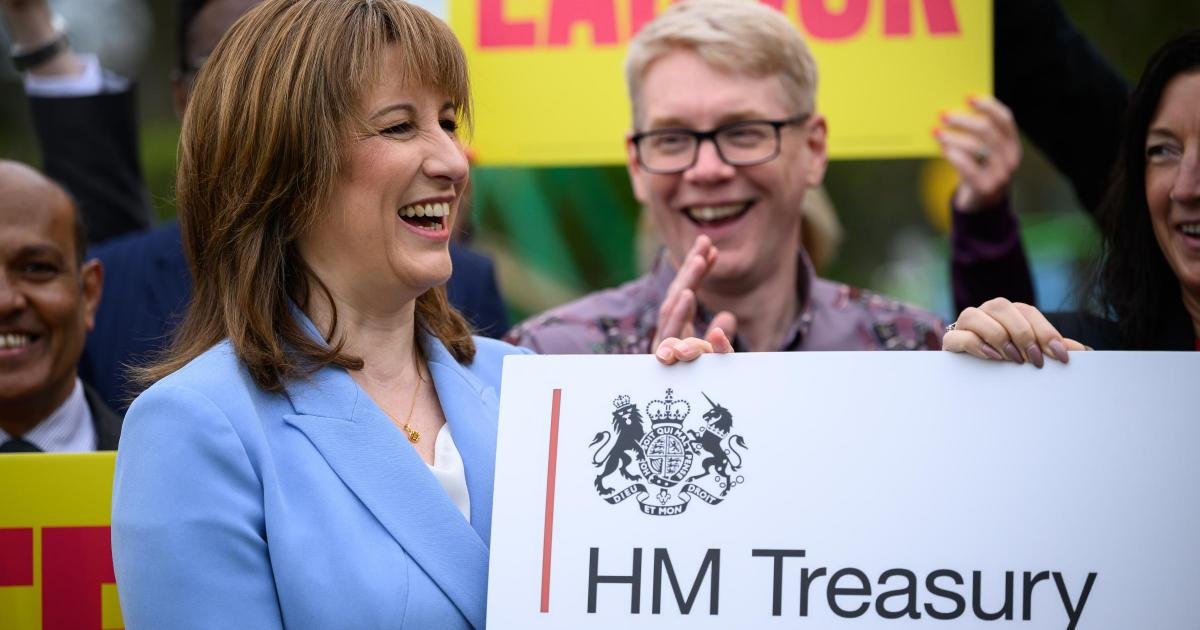
The chancellor announced last year that the amount you can pay in to your pension while saving on national insurance (NI) would be capped at £2,000.
A new study by Standard Life suggests two in five employers are planning to scrap salary sacrifice schemes, raising fears workers will be left paying more National Insurance.
What is salary sacrifice?
Salary sacrifice lets workers give up part of their salary in exchange for benefits like pension contributions, reducing how much tax and National Insurance they pay.
But under plans announced by Rachel Reeves, National Insurance relief on these schemes will be capped at £2,000 from April 2029.
The move is expected to raise £4.7 billion for the Treasury, but businesses are already reacting.
Employers already planning to scrap schemes
The research found:
- 39% of employers plan to ditch salary sacrifice schemes
- Around two in five have already decided to withdraw them since the Autumn Statement
That could leave millions of workers worse off – even before the changes officially begin.
How much you could lose
Analysis suggests workers may end up paying more National Insurance each year:
- A £50,000 earner sacrificing 5% could pay £40 extra a year
- A £75,000 earner could pay £35 more
- Employers also face higher costs, rising into the hundreds per employee
‘Significant implications’ for savings
Catherine Foot from Standard Life warned the impact could be far-reaching.
She said: “The UK has a widespread under-saving problem.
“The cap on salary sacrifice schemes will end up worsening this crisis by creating additional cost barriers that disincentivise employers from offering the scheme, with significant implications for their employees’ ability to save.”
She added that:
- Lower earners may be hit indirectly as schemes disappear
- Middle and higher earners face a “double whammy” of higher personal and employer costs
Separate research from IG Group shows workers are already changing financial decisions due to tax thresholds.
Recommended reading:
Among higher earners (£90,000–£125,000):
- 82% have taken steps to avoid crossing £100,000 income
- 28% have turned down promotions
- 26% have refused bonuses
- 24% have declined pay rises
Some families could be over £13,000 worse off after a pay rise due to losing childcare support and tax allowances.
Michael Healy of IG Group said: “When earning more leaves you with less capacity to invest, that’s not just a household issue – it’s a structural problem.
“The UK’s tax system is weighing down the very households who are most able to fuel growth.”