You could save a lot of tax if you make the most of the allowances that apply

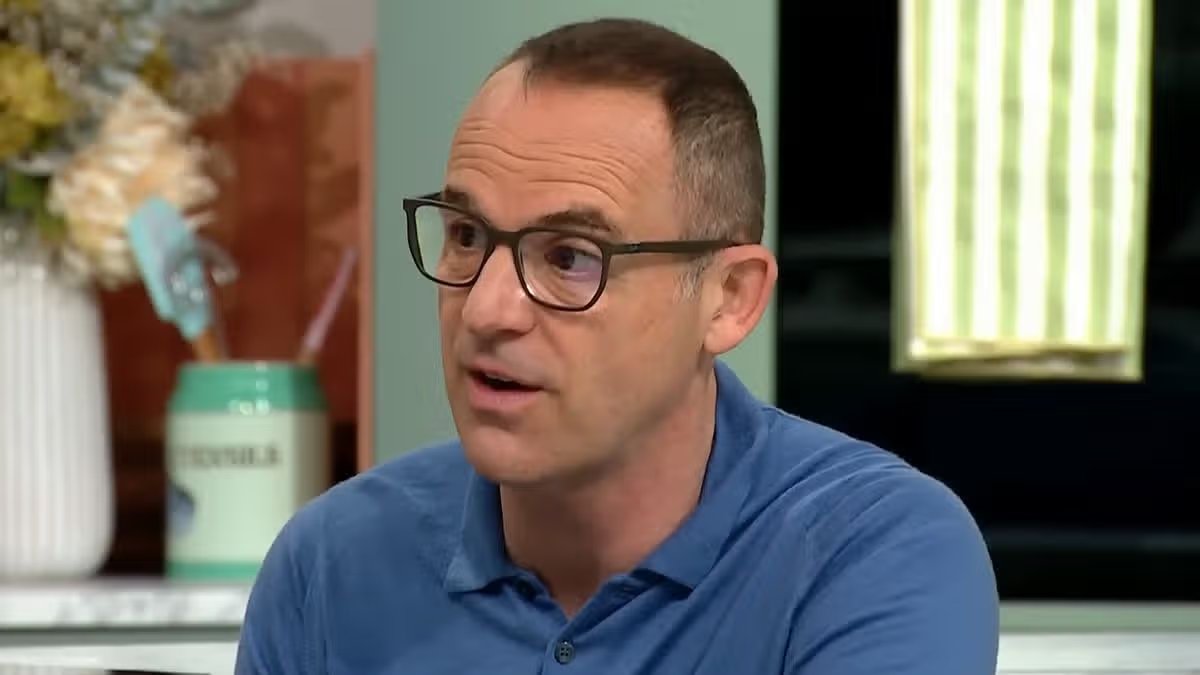
Martin Lewis has explained some tax rules(Image: ITV)
Martin Lewis has explained the fine details of how a key tax-free allowance works. There is a particular two-word term you may want to read up on.
The financial expert spoke on his BBC podcast about inheritance tax. This is a hefty 40 per cent tax that applies to your assets when you pass them on when you die. HMRC rules provide several allowances so you can pass on up to a certain amount in total assets tax-free. As a person’s estate could be worth huge sums, it is worth understanding how these tax-free rules work and to plan ahead, as you could save tens of thousands of pounds.
‘Classic rule’
Mr Lewis set out the “classic rule” that applies with these allowances: “If your estate, which is all the assets that you have – property, business, shares, savings, everything that you own – is under £325,000 as a single person, there is no inheritance tax to pay. So, if that’s you, inheritance tax isn’t an issue.
“It is worth me stating that that £325,000 limit has been frozen since 2009/10 and is expected to stay frozen until 2031, so in real terms that has reduced quite substantially over the years.” There is another individual allowance that could apply to you as well.
Additional allowance
Mr Lewis told listeners: “One thing that was added is the amount you can leave without paying inheritance tax is boosted by up to £175,000 if you pass on your main residence to your direct descendants. Now, we’re talking your primary residence, but if your primary residence was only worth £100,000, you wouldn’t get the extra £75,000 on top. It’s up to £175,000 for your primary residence.”
You may assume ‘direct descendants’ could refer to a host of different family relatives, but it’s worth noting who exactly you can pass on your main residence to and benefit from this extra £175,000 allowance.
Mr Lewis said that ‘direct descendants’ include:
- Biological children – including grandchildren, great grandchildren and so on
- Step children
- Adopted children
- Some foster children.
So if you had this additional £175,000 allowance applied to your estate, along with the £325,000 standard allowance, you could pass on up to £500,000 in total assets tax-free. Mr Lewis noted a caveat here: “If your estate is over £2million, you do start to lose that £175,000 property allowance, and it’s gone by the time your estate is worth £2.35 million. So that’s the sort of single person’s basic inheritance tax.”
‘Huge’ tax benefit
Mr Lewis went on to point to another inheritance tax rule that could make a “huge” difference for your bill. He said: “All your unused allowances are passed to your spouse. So remember that the maximum unused allowance a single person has, in simple terms, is £500,000.
“So if they were to leave everything to their spouse, they haven’t used up their £500,000 allowance. Therefore, their spouse now has a £1 million allowance, made up of £350,000 maximum left in terms of a property left to direct descendants, and £650,000 of other assets that they can leave inheritance tax-free.”
This rule applies to both married couples or those in a civil partnership – you can pass on any unused tax allowances to your partner when you die.