| Updated:
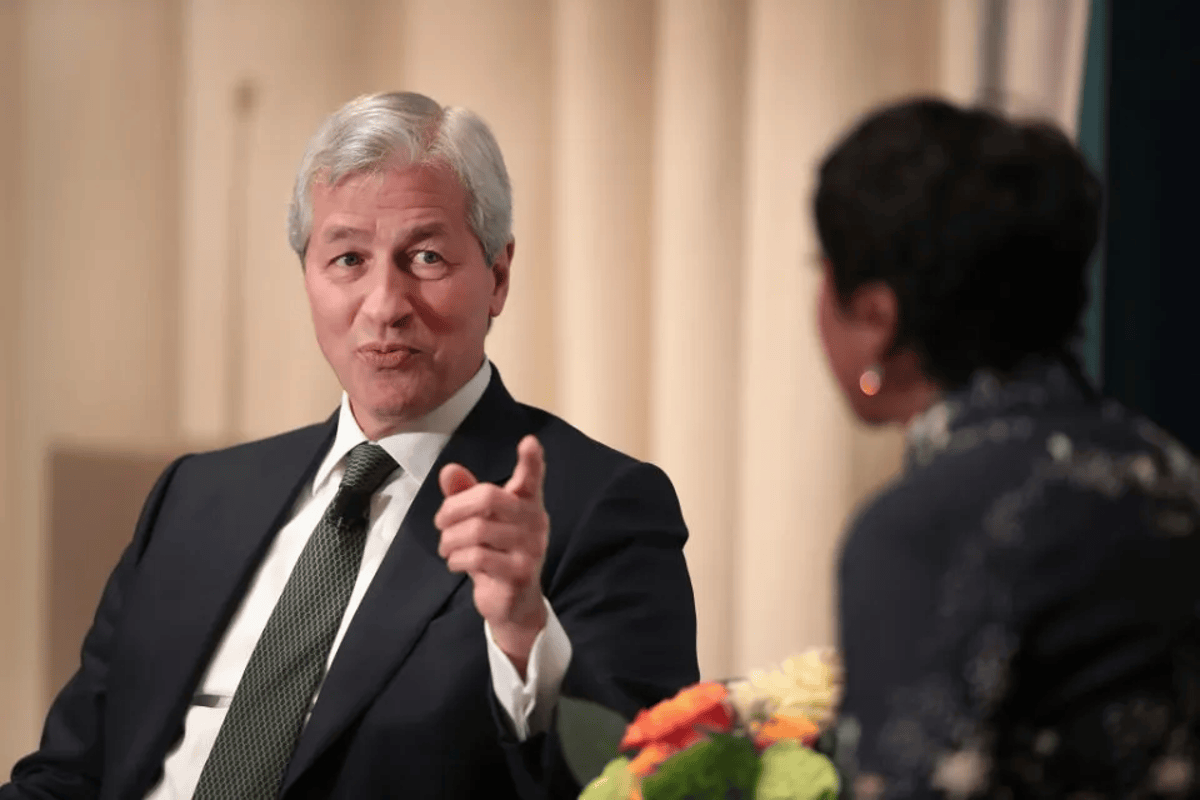
The boss of JP Morgan has warned he will seek to claw back the costs of John Healey’s bank tax hike after branding the move “unfair”.
Jamie Dimon, regarded as one of the most influential figures in finance, said at an event in London on Thursday he would look to find ways to offset the Chancellor’s tax rise on the banking sector.
Healey doubled the UK banking surcharge, which sits on top of corporation tax, to six per cent in his Budget for a 15 month period to strum up cash for an energy support package.
Dimon said he plans to set “an example so that [governments] understand the trade-offs of these unfair penalties”.
He added that any move to offset the bank tax would be “more in sorrow” than anger, in comments first reported by the Financial Times. He did not specify what areas he would target to claw back costs.
JP Morgan quickly became one of the most vocal critics in the aftermath of Healey’s Budget. The lender said at the time that the tax increase “lacks principle” and hit out at Labour for singling out the banking sector.
Budget watchdog warned bank profits could be driven overseas
The Office for Budget Responsibility (OBR) has forecast the hike will raise around £1.5bn, with surcharge receipts pulling in £2.4bn in 2027. But the watchdog warned around £190m in receipts would be wiped out as some banks move profits out of the UK in response to the higher rate. It added that the total size of profits lost was “uncertain”.
JP Morgan has laid out plans for a new mega-tower in Canary Wharf, which is expected to inject £10bn into the local economy and create 7,800 industry jobs.
Dimon warned ahead of the Budget that any tax increases on the industry would have “adverse consequences”.
The Wall Street giant also has a major campus in Bournemouth, where it employs some 5,300 staff processing more than $1tn of global transactions each day.
There was speculation ahead of the Budget that the banking surcharge could be returned to its eight per cent rate. Share prices rallied following Healey’s announcement as the tax hike came in lower than expected.
David Postings, the boss of trade body UK Finance, told a City audience this week: “It may be a smaller increase than some called for but a tax rise is still a tax rise, making an already uncompetitive regime even less competitive.”