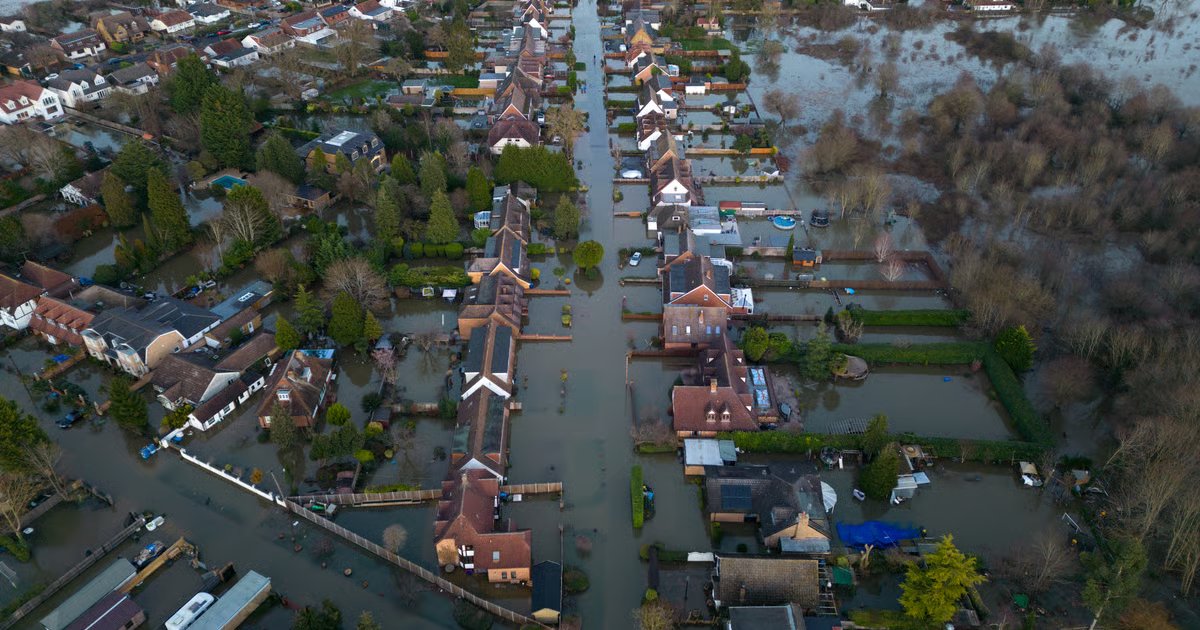
For Heather, the introduction of Flood Re was a “massive relief”. But she is horrified that insurers benefiting from the scheme are exacerbating climate change.
“It’s horrendous,” she said. “While their losses are being covered, they’re becoming a softer voice as well. We need the strength of insurance companies to push government to be more proactive around climate change.” Instead, some appear to be backtracking on their own green pledges.
Using Freedom of Information requests, we found evidence of Flood Re insurers moving back into coal – the most polluting fossil fuel – and supporting the construction of new gas terminals in the US.
Backtracking and bankrolling
If companies cannot secure insurance cover, they have little hope of raising funds for or progressing their projects. That makes insurance companies a key enabler of the industries they choose to support.
Zurich, a Flood Re insurer, seems to recognise this crucial role. It states baldly on its website that there must be a “steep reduction” in the use of fossil fuels to avoid floods, drought and species extinction, and so promises not to provide insurance for companies that earn more than 30% of their revenue from coal mining.
A clause in its policy, however, states that this does not apply to insurance to cover claims made by workers, or coal used in the manufacture of iron or steel. This appears to have opened a loophole that means a Zurich subsidiary has been able to provide cover for workers’ compensation to Signal Peak – the operator of a coal mine in Montana in the US, which has approval for a massive expansion. Local residents say the mine has already diminished water sources, killing off wildlife and driving ranchers from their land.
Further south are the vast, open-cast pits of the Belle Ayr and Eagle Butte mines in the Powder River Basin – where mining threatens the habitats of elk, antelope and mountain lions. Zurich started covering workers’ compensation at both mines this year and continues to provide insurance for a metallurgical coal mining firm operating in West Virginia, deep in American coal country. A subsidiary of this company has been accused by campaigners of poisoning communities with carcinogenic dust by blasting nearby land.
Zurich declined to comment on our findings.