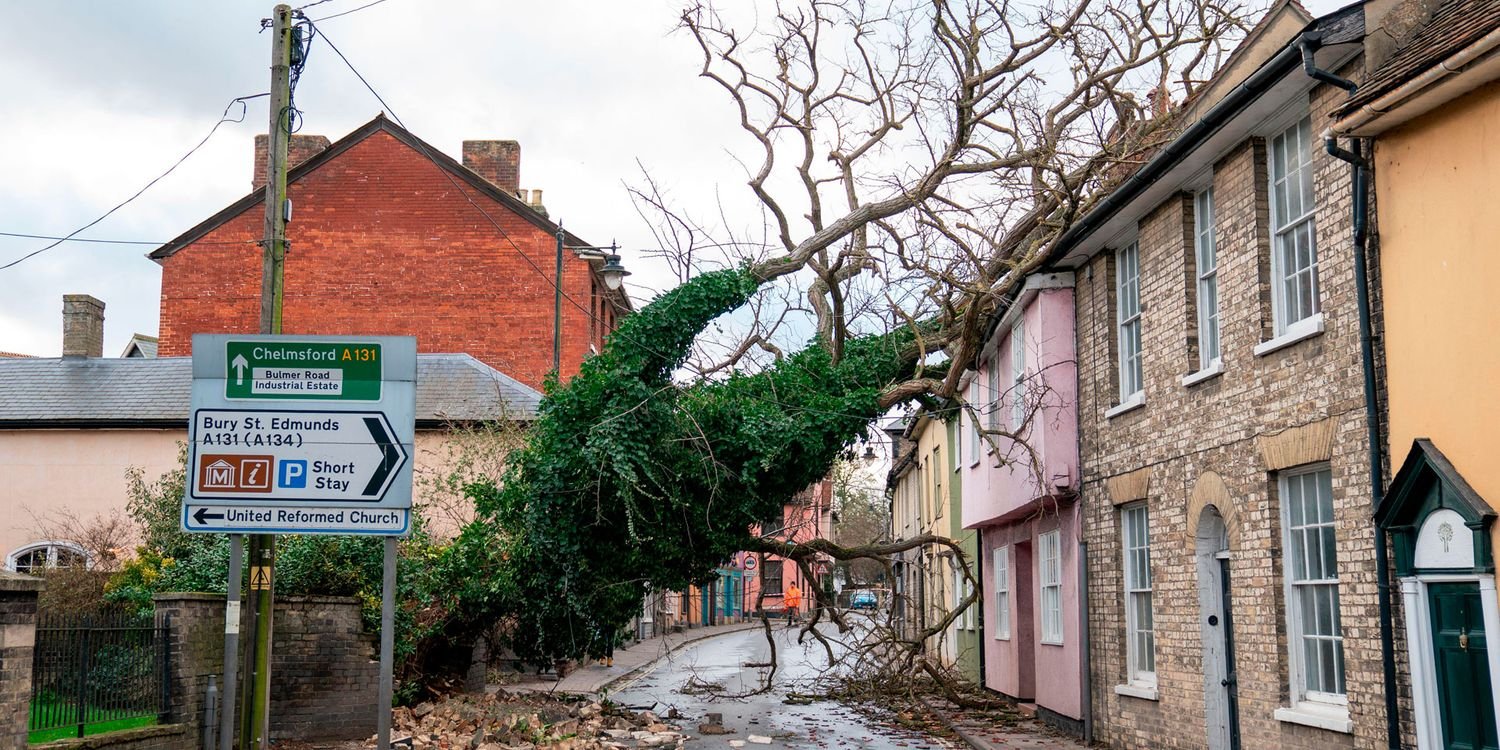
If experts are right, this winter’s super El Niño could bring the UK more storms than usual. But will your home insurance cover the damage?
The Association of British Insurers (ABI) is urging homeowners to prepare for strong winds and heavy rain caused by the weather phenomenon. But it’s not just storms you need to watch out for. Colder temperatures can also bring unwelcome guests, including mice and rats.
Here, we break down five winter hazards to check you’re covered for and explain how to claim if the worst happens.
1. Storms
Last autumn and winter, the UK was battered by seven named storms, and the resulting damage came at a hefty price. According to the ABI, weather-related claims for damage to homes and possessions topped £200m between January and April 2026 – the first time they have passed that mark.
Your buildings insurance should cover damage caused by hail, wind, rain, snow and ice, including broken roofs, burst pipes, falling trees and power cuts.
But there are some important catches. Standard home insurance won’t usually cover damage caused by wear and tear. So if water gets in through a poorly maintained roof, for example, your claim could be rejected. You’ll need accidental damage cover for this – and while some policies include it, it’s more commonly sold as an optional extra.
Our latest analysis of 72 home insurance policies from 30 providers, conducted in the summer, found that just 25% of policies included accidental damage cover.
There are also caveats with ‘contents in the open’ cover. This applies to movable belongings deliberately left outside but within your property boundaries, such as garden furniture, plant pots and barbecues. If a storm hits and they haven’t been properly secured, you could be left footing the bill for any damage or loss.
If you keep valuable items outside, you can also add garden cover to some policies. But when bad weather is brewing, the safest bet is simple: bring anything valuable indoors.
- Find out more: best home insurance 2026
2. Floods
Storms can trigger floods, too, potentially causing thousands of pounds’ worth of damage. The good news is that flood cover is usually included as standard with buildings insurance and is widely available, even for homes in high-risk areas.
A typical policy covers floodwater entering your home from an external source, such as heavy rain, storms, high tides or a river bursting its banks.
Insurers will generally cover the cost of cleaning and repairing your home, plus temporary accommodation if it’s left uninhabitable. If you have contents insurance, your belongings should be covered, too.
But check the small print. Groundwater flooding is often excluded. This is when water builds up slowly from beneath and can occur after weeks or months of heavy rainfall.
Our latest policy analysis found that only 42% cover damage due to groundwater when the build-up is gradual.
- Find out more: does home insurance cover flooding?
3. Ice and snow
Icy temperatures can cause pipes to freeze and burst. If that happens, your buildings and contents insurance should cover any damage both inside and outside the home. We found 99% of the policies we analysed pay out for pipes damaged by freezing or sudden temperature changes.
Again, there are some circumstances where your standard policy may not pay out, for example if the loss or damage was caused while the home was unoccupied, or if the leak was as a result of poor maintenance. Problems caused by corrosion, rust or inadequate grout or sealant fall under that category.
Home emergency cover can help in a crisis, such as a sudden water leak. It covers the cost of arranging for a tradesperson to come out to your property as quickly as possible.
However, this is rarely part of standard home insurance. We found that only 18% of the policies we analysed included it, with most offering it as an optional extra.
4. Boiler breakdown
The last thing you need in a cold snap is a broken boiler. Home emergency cover can help with urgent repairs, but it won’t necessarily cover the root cause.
For that, you may be able to claim on your buildings or contents insurance, depending on what’s damaged.
Boiler cover can also help to keep your heating and hot water running, especially if it includes an annual service. But check the small print: leak cover varies widely between policies.
5. Mice and rats
As temperatures drop, mice and rats may head indoors, but don’t assume your home insurance will cover the cost of dealing with an infestation.
Saga research found that 38% of homeowners have encountered mice at their property and 20% have seen rats. Yet 15% wrongly believe standard home insurance covers pest removal.
Rodents can do serious damage, chewing through wood, pipes and electrical cables and potentially causing leaks, floods, power cuts or fires.
So what’s covered? Rodent removal is usually included in home emergency cover. Our analysis found that of the policies offering home emergency cover as an optional extra, 97% include the removal or treatment of vermin and pests.
Even without home emergency cover, your buildings insurance should cover resulting damage. So while chewed wires might not be covered, any fire they cause should be.
- Find out more: home insurance add-ons explained
What should you do if you’re affected?
Contact your provider as soon as possible. Your insurer can make any emergency payments needed, arrange any temporary emergency accommodation and organise necessary repairs. Most insurers have 24-hour emergency helplines.
If you have to arrange emergency repairs yourself, tell your insurer and keep any receipts, as this will form part of your claim. Don’t throw away damaged items unless they are a danger to health, as it may be possible to have them repaired or restored.
- Find out more: how to complain about your insurance company