Cumberland, British Columbia, grew out of coal mining. For decades, the industry defined daily life, employing thousands of workers and sending millions of tonnes of coal around the world. When mining operations shut down after roughly 80 years, they left behind more than empty tunnels. The closures also created a lasting economic gap in the community.
Today, the same underground network that once fueled industry could help power a cleaner future. Through a partnership with the University of Victoria-led Accelerating Community Energy Transformation (ACET) initiative, Cumberland is exploring how its abandoned mine shafts and tunnels can support a new source of energy.
At the center of this effort is the Cumberland District Energy project. Researchers are studying how water trapped in the old mine system can be used to generate geothermal energy capable of heating and cooling buildings throughout the town.
Mayor Vickey Brown believes the project could help reshape Cumberland’s identity. Already known for outdoor recreation like mountain biking and hiking, the village could also become a model for clean energy innovation.
“This is a way to highlight the history of Cumberland and bring it into a sustainable-future, clean-energy ethos,” she says. “It’s something that old Cumberland can be proud of, because we’re using the waste of that old resource to transition to cleaner energy.”
How Underground Mine Water Could Heat and Cool Buildings
The concept relies on a simple but powerful idea. Water sitting deep inside abandoned mines tends to stay cooler than the air during summer and warmer during winter. According to ACET project lead Zachary Gould, this steady temperature difference can be harnessed using heat pumps.
These systems would draw on the underground water to regulate indoor temperatures, offering heating in colder months and cooling during warmer periods. The approach could deliver energy at relatively low cost while producing very little carbon.
“[The Cumberland District Energy project] is technically a very large ground-source heat exchanger,” explains Emily Smejkal of the Cascade Institute, who focuses on geothermal energy.
Because the tunnels extend beneath much of the town, this system could potentially serve a wide area. Mapping efforts by geologists have already revealed the scale of the underground network, helping researchers estimate how much energy it might provide.
Initial plans are focusing on key areas, including a proposed civic redevelopment site with a community center, municipal buildings, and affordable housing, as well as an industrial zone near Comox Lake.
“It’s been a big motivation to think about this energy system in the context of how we can reduce the costs of critical infrastructure and provide critical amenities for community members,” says Gould.
“But it’s not just an energy system,” he adds. “It’s an opportunity to look at resource extraction in a new way in a village that was built on extractive principles. This project could turn those ruins of extraction, so to speak, into an opportunity and a shared community asset.”
A Coal Mining Legacy That Shaped the Community
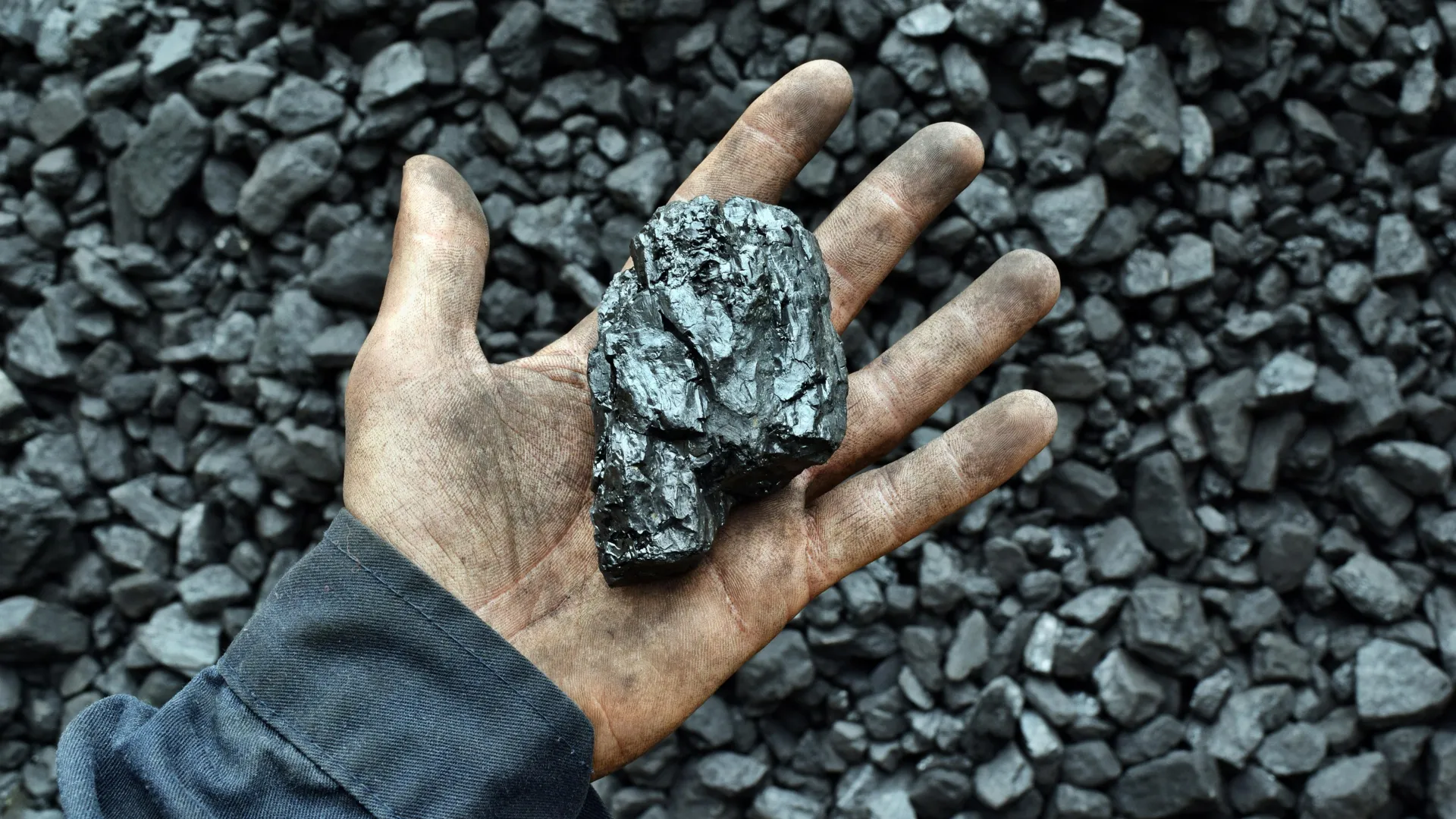
Coal mining defined Cumberland for generations. Beginning in 1888 and continuing until the late 1960s, about 16 million tonnes of coal were extracted from the Comox Valley, according to historian Dawn Copeman. Ships departing from Union Bay carried the coal to markets as far as Japan, helping fuel global industries.
The resource powered steamships, heated homes, and supported metal production through coking processes. But the industry also came with significant costs. Working conditions were dangerous, many miners were injured or killed, and the burning of coal contributed to climate change.
Repurposing these abandoned mines for clean energy does not erase that history, Copeman says. Instead, it offers a way to use it constructively.
She notes that a proposed coal mining project near Union Bay in 2011 faced strong opposition. In contrast, the current geothermal effort has been received more positively.
“Being able to use something that’s already there for heating, I think it’s positive,” she says.
From Geological Curiosity to Clean Energy Plan
The idea for using the mines as a geothermal resource began with local geologists discussing methane issues associated with old mining sites. Those conversations gradually expanded into exploring whether the same underground spaces could support other energy uses.
Cory MacNeill, a geologist from Cumberland, explains that while deep geothermal drilling was not practical in the area, the existing mine water offered a more accessible solution. It could help offset seasonal temperature swings without the need for extreme depths.
Similar projects already exist in places like Nanaimo, British Columbia, and Springhill, Nova Scotia, showing that the concept can work in former mining communities.
“It’s about reimagining these old resources and relics of industry,” MacNeill says. “It’s really powerful to look at all of this mining and look at ways that we can benefit from it from a more environmental standpoint.”
Turning Old Infrastructure Into a Sustainable Future
Mayor Brown connected the idea to real-world action after attending an ACET webinar aimed at municipalities.
“They said, ‘We’re looking for projects to work with municipalities.’ And I thought, ‘I have a project.'”
Two blocks of municipal land, including the village office, council chambers, public works facilities, and a recreation center, sit directly above a former mine site. Brown saw an opportunity to test whether geothermal energy could support redevelopment plans in that area.
As a small community of about 4,800 people, Cumberland does not have the internal engineering resources to fully evaluate such a project. ACET’s expertise has been essential in assessing feasibility and building a business case.
“We need their academic expertise and their capacity to help us do those business cases, and also do the [geothermal] exploration side of it,” Brown says.
If an initial pilot proves successful, the potential extends far beyond the first site. The network of tunnels beneath the town could support broader energy use.
Lower-cost heating and cooling could also make the area more attractive to businesses that rely heavily on temperature control, such as greenhouses and food processing facilities. That, in turn, could bring jobs, strengthen the tax base, and improve quality of life.
“We haven’t always worked very well with natural systems,” Brown says. “But I think this is a model of using the tools and resources you have in place to look after the needs of your community. And I think that’s far more resilient than the way we’ve done it in the past.”