-
By Crystal Hsu / Staff reporter
HSBC Holdings PLC is stepping up investment in Taiwan’s wealth management business, as an artificial intelligence (AI)-driven surge in corporate fortunes and an impending generational transfer of family wealth reshape the market into one of Asia’s fastest-growing wealth management centers.
The bank sees Taiwan’s expanding affluent population — anchored in its pivotal role in global technology supply chains — as a multiyear opportunity for wealth managers capable of serving clients whose financial needs increasingly span borders, asset classes and generations.
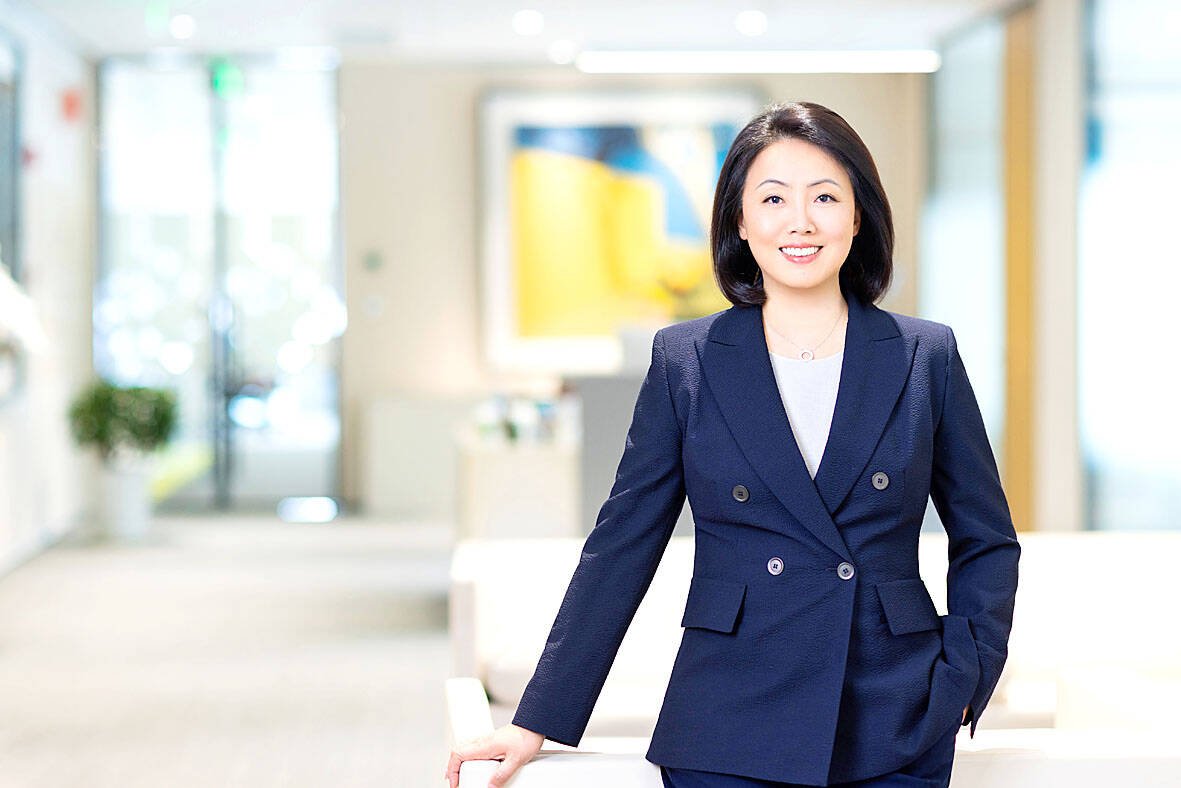
“Taiwan is one of HSBC’s core wealth markets, and we’re highly confident in its performance and market outlook,” said Zhang Kai (張凱), Head of International Wealth and Premier Banking for Asia, in an interview with the Taipei Times on June 3 after joining the annual HSBC Taiwan Conference held in Taipei.
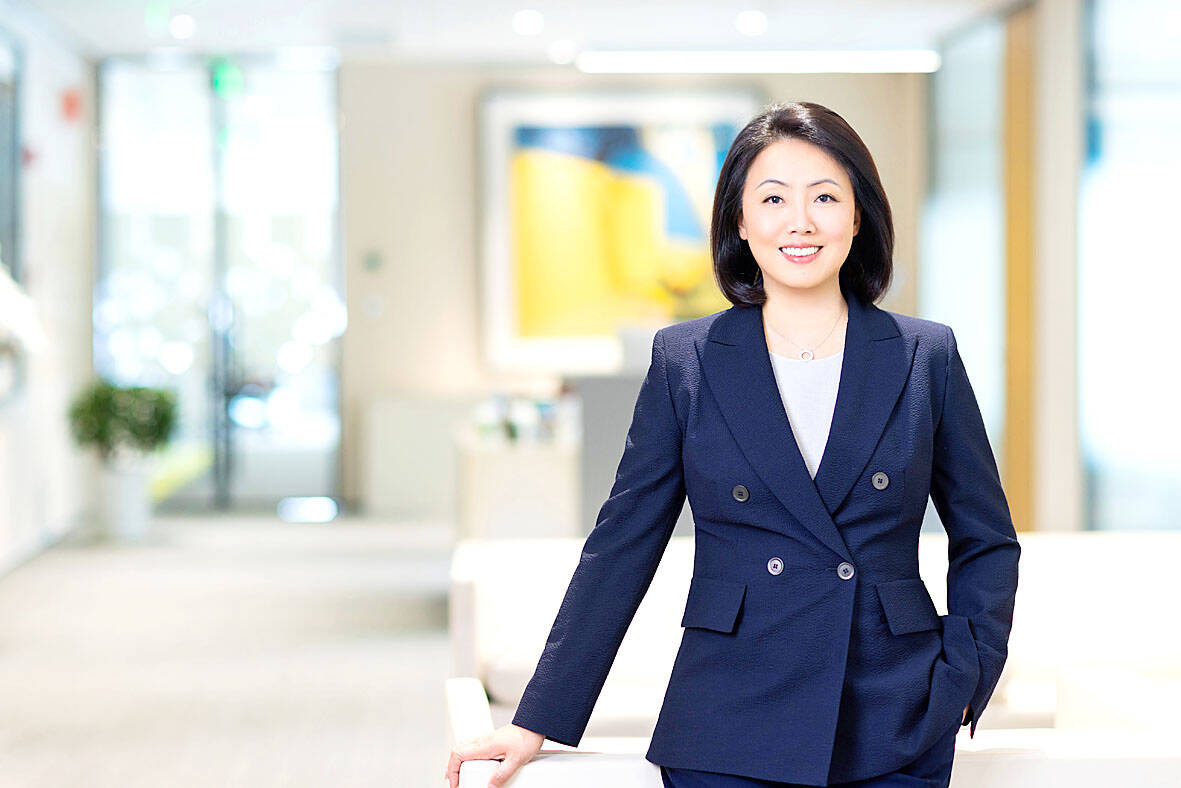
Photo courtesy of HSBC Bank (Taiwan) Ltd
She pointed to a rising cohort of entrepreneurs, technology executives and business owners whose fortunes have been boosted by surging demand for semiconductors and AI infrastructure, as well as sustained gains in equity markets.
The expansion of Taiwan’s wealth market comes amid a broader global surge in private wealth creation. Boston Consulting Group’s 2026 Global Wealth Report forecasts that more than US$124 trillion in new wealth is expected to be generated globally between 2025 and 2030, with over one-third originating from Asia.
Taiwan sits at the center of the global semiconductor industry and has become indispensable to supply chains powering AI infrastructure.
Strong demand for advanced chips, servers and related hardware has delivered windfall gains for technology companies, executives, suppliers and investors, helping drive one of the strongest economic expansions among developed economies.
Based on Boston Consulting Group’s latest Taiwan Ultra-Wealth Insights Report, this rapid accumulation of wealth is already reshaping Taiwan’s financial landscape. The number of individuals with net assets exceeding NT$100 million (US$3.17 million) stood at about 123,000 in 2025 and is projected to rise to 155,000 by 2029. Within that, the number of ultra-high-net-worth individuals with assets above NT$1 billion is expected to increase from 8,000 to 11,000 over the same period. As the market expands, client needs are becoming more complex and increasingly global.
“Taiwan’s wealth market and investors are very mature,” Zhang said. “Wealth management here has moved beyond asset allocation, forming a virtuous cycle with business succession, venture capital and private equity that mutually drive growth. Alongside the recent return of offshore funds, Taiwan is cementing its position as one of Asia’s most solid and resilient markets”
One of the most significant and structural drivers is the coming wave of intergenerational wealth transfers.
Across Asia, family-controlled businesses account for more than 80 percent of companies, and many are now entering a phase in which ownership, control and wealth is being passed to the next generation, Zhang said.
That shift is driving demand well beyond traditional portfolio management. Younger heirs often have different priorities from founders, raising the bar for financial institutions: Wealth management needs to be more forward-looking, omnichannel and genuinely end-to-end. This trend is particularly pronounced in Taiwan, where many wealthy families maintain business interests and investments globally. At the same time, rising international mobility is driving stronger demand for these customers to diversify their wealth by asset classes and markets.
These trends align closely with HSBC’s global positioning, Zhang said.
The bank has spent years building its role as a bridge between Asian wealth and international markets. Unlike many domestic peers, HSBC’s service in Taiwan covers retail banking, affluent banking and private banking. By integrating products, solutions and services within a single platform, the bank’s clients are able to remain within the same ecosystem as their wealth grows, she said.
This international footprint is increasingly valuable, she added, as Taiwanese clients seek overseas exposure and more sophisticated investment strategies. HSBC operates in all eight of the world’s largest offshore wealth centers, including Hong Kong and Singapore, enabling clients to manage assets, financing and investments across jurisdictions through a single banking relationship.
That proposition is resonating with Taiwanese customers, Zhang said. To capture this growth, HSBC is investing in products, technology and talent.
The bank now offers access to more than 1,000 investment products and has expanded services for high-net-worth clients, following regulatory reforms aimed at strengthening Taiwan’s asset management industry.
Since late 2022, HSBC has opened six flagship wealth management centers across Taiwan, including a facility in Taipei 101 serving private banking and Premier Elite clients.
Zhang also said wealth management would become increasingly digital, prompting HSBC to invest in wealth platforms, private banking mobile capabilities and AI tools designed to streamline client engagement.
At the same time, the bank is strengthening its advisory workforce through its global Wealth Academy program, developed with the London Business School, to equip relationship managers to handle more complex client needs, particularly in intergenerational wealth transfer and international asset allocation.
On HSBC’s three core strengths in wealth management in Taiwan, Zhang highlighted global connectivity, wealth continuum and people.
“By linking global resources with Taiwan, we give clients local service backed by international insights and platforms,” she said.