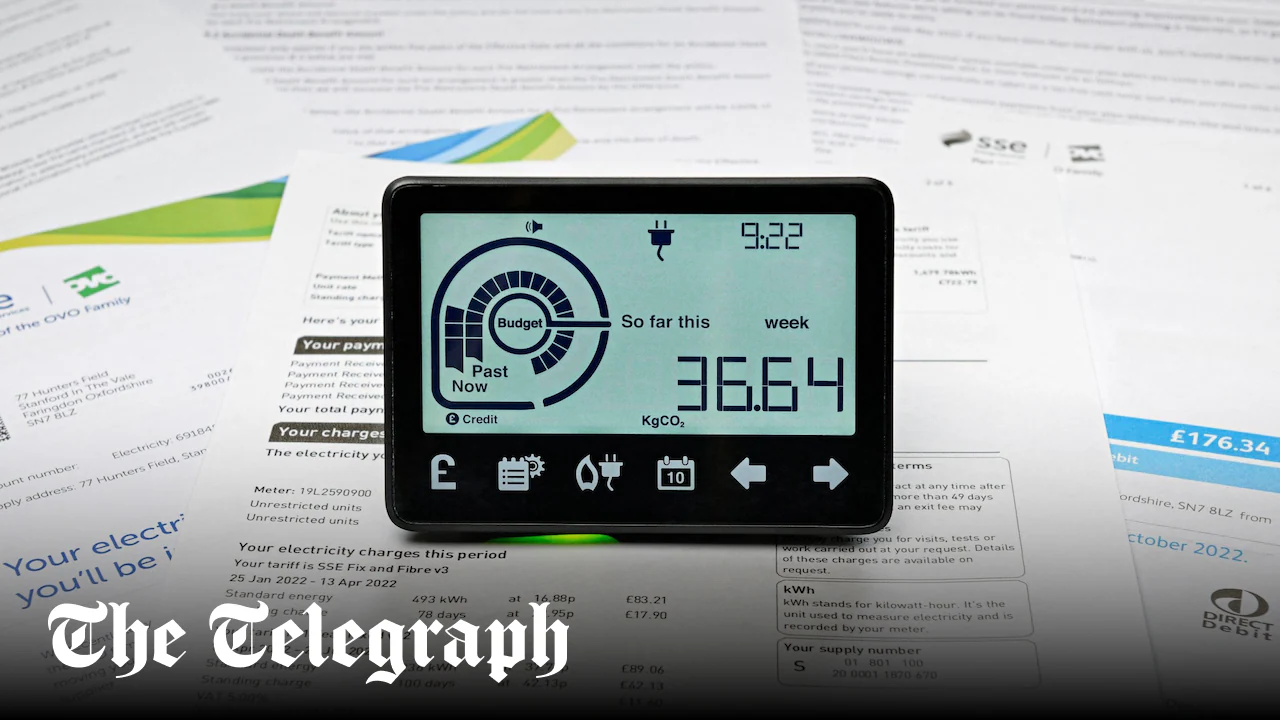
EDF said successive governments had set a lax regulatory framework that encouraged customers to get into debt and allowed many who could pay to avoid doing so.
Its report warned that ministerial failures to tackle the problem were also normalising non-payment, making it social and culturally acceptable to not pay energy bills.
“The current regulatory framework has failed to keep pace with the problem. It has made it far too easy for consumers to get into debt and ever more difficult for suppliers to do anything about it,” it said.
“Regulatory protections designed for vulnerable consumers are, for example, shielding some customers who can and should pay.”
Tim Jarvis, Ofgem’s chief executive, is planning a relief scheme to write off up to £400m of debt accumulated during the last energy crisis, but many argue this is far too small.
In a speech this month, he said: “Energy cannot become a source of free or cheap credit by default. We need to open the discussion about resetting the social contract on energy debt.
“It means suppliers must bill accurately and on time, intervening early with customers who are at risk … It also means consumers should pay when they can.”
But National Energy Action, an organisation specialising in helping people with energy debts, said increasing numbers of households could not afford their bills.
“Frontline evidence shows that arrears are primarily driven by sustained unaffordability rather than disengagement. Households fall into debt where incomes, essential costs and energy needs cannot be reconciled,” a spokesman said.
“Many households we support are already on negative budgets. Once rent, food, and other essentials are covered, there is no capacity to absorb rising energy costs. Debt emerges immediately in these conditions, even where households are actively trying to keep up.”
Citizens Advice echoed the warning, blaming affordability issues for the lack of payments.
“The UK energy affordability crisis is no longer a temporary challenge but a structural threat to many household budgets … millions of households remain unable to afford essential energy services,” it said.
“This is even more acute for households with high energy needs, low incomes, or intersecting disadvantages.”
However, Ned Hammond, from supplier trade body Energy UK, said: “The household energy debt crisis is spiralling … current regulations make it all too easy for customers to fall into arrears, with limited routes to get out.
“Encouraging customers to set up energy accounts quickly when they move would have a positive impact, as would wider use of Smart Pay As You Go meters … but current rules are overly restricting their use.”
Ofgem’s price cap announcement on Wednesday is expected to add more pain for households and energy suppliers, according to energy consultancy Baringa.
James Cooper, from the consultancy, said the £200 predicted price cap increase would cause a surge in debt.
“For the most vulnerable, who are already in a position where they can’t pay, this simply means more debt. A rise in the price cap – just like any additional cost faced by the country’s poorest – will result in an increase in debts.”
A government spokesman said: “Ofgem is considering a range of options to reduce energy debt in the system and we are working with them.”