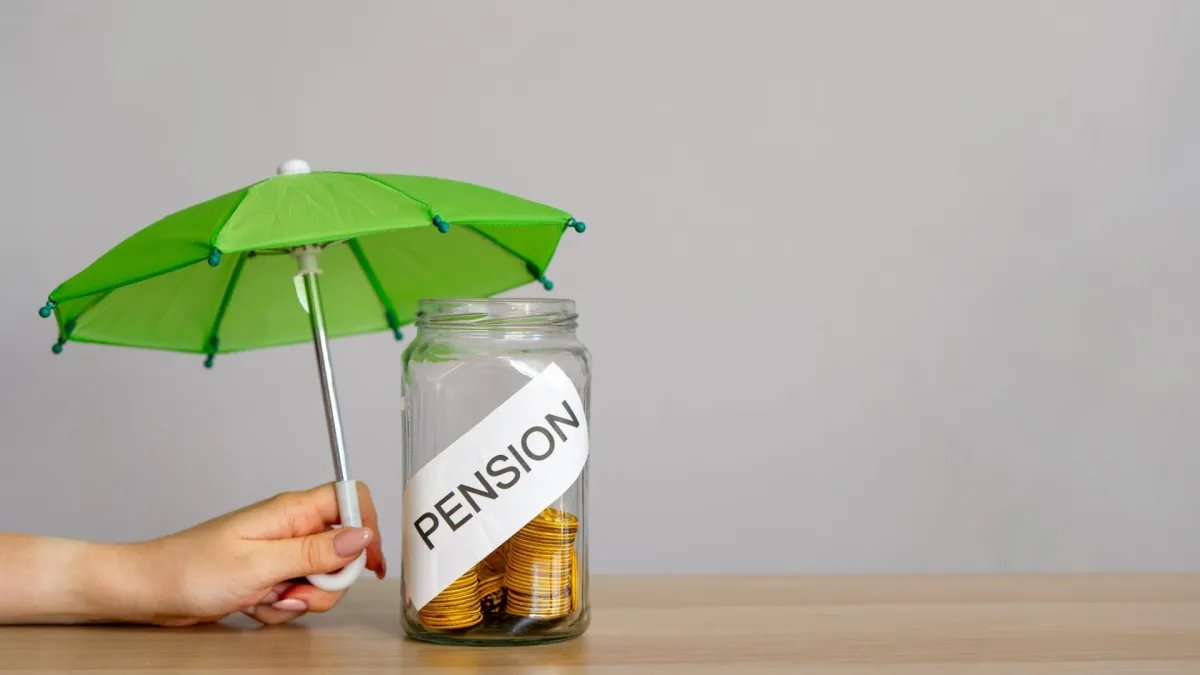
A plan to exempt some retirees from paying income tax will help just 700,000 out of 13.2 million state pensioners, according to analysis.
Next April, the full rate of the new state pension will exceed the threshold at which people pay income tax, which is frozen at £12,570 until 2030.
That means that those who get the new state pension – currently £12,548 – would start to get an annual tax bill from HMRC, even if they don’t have any extra income.
Shorts

SIR DAVID ATTENBOROUGH
The national treasure has celebrated his centenary
For all the inspiring insight into nature that Sir David Attenborough has given us, he has also shown us how to age well.
Here, Chief Features Writer Kasia Delgado looks into his lifestyle, and the tips he’s shared to live to 100.

Photographer: David Chancellor
Provider: BBC/David Chancellor
Source: 6
Copyright: WARNING: Use of this copyright image is subject to the terms of use of BBC Pictures’ Digital Picture Service (BBC Pictures) as set out at www.bbcpictures.co.uk. In particular, this image may only be published by a registered User of BBC Pictures for editorial use for the purpose of publicising the relevant BBC programme, personnel or activity during the Publicity Period which ends three review weeks following the date of transmission and provided the BBC and the copyright holder in the caption are credited. For any other purpose whatsoever, including advertising and commercial, prior written approval from the copyright holder will be required.
LOREM IPSUM
Never retiring fully
Putting your feet up is all very well, but it’s very boring, isn’t it?
In the last two years alone, Attenborough has done voiceovers on a number of projects, including Wild London, and a National Geographic Disney film, Ocean.
Although his workload has remained high, he did acknowledge in 2017, that as he ages, he sometimes finds it harder to recall correct words as quickly as he did before.
Improving his diet
In his 90s, Attenborough has cut back on red meat, and begun eating an increasingly vegetarian diet.
Whether as he said, he “simply lost the taste” for meat, or whether it was an environmental or health reason, the NHS advises that eating a lot of red and processed meat increases your bowel cancer risk at any age.


Big Read
7 min read
Keeping active

Photographer: Stefan Rousseau
Provider: PA
Source: PA Archive
- Attenborough has previously said he has “never done exercise” in an official capacity.
- But he has kept active by going for walks in Richmond, where he lives.
- Interviewers who have been to his home have also mentioned him practically skipping down the stairs of his house.

TELEVISION
8 min read
Avoiding becoming isolated
When Sir David’s wife Jane died in 1997, the couple’s adult daughter Susan moved in with her father. He said at the time: “I’m quite used to solitude in the wilds but, no, an empty house is not what I enjoy.”

Monday 16th April 2018 on ITV
Sir David Attenborough joins Her Majesty the Queen in the gardens of Buckingham Palace
This unique, landmark documentary follows Her Majesty the Queen and an ambitious legacy project to create a global network of protected forests, spanning the 52 countries of the Commonwealth.
This project, called the Queen’s Commonwealth Canopy, brings together Her Majesty’s deeply held commitment to the Commonwealth and her little-known love of trees.
At the heart of the film is a conversation between the Queen and Sir David Attenborough filmed in the gardens of Buckingham Palace last summer. In a rare opportunity to see the Queen talking informally to Sir David, the conversation ranges from climate change, to conkers and birthday gifts.
The film follows members of the Royal Family involved so far in making the Queen?s Commonwealth Canopy a reality, including Prince Harry planting trees in the Caribbean, and Prince William and his family in Canada’s Great Bear Rainforest.
(c) ITN Productions
For further information please contact Peter Gray
0207 157 3046 peter.gray@itv.com
This photograph is ? ITV and can only be reproduced for editorial purposes directly in connection with the programme THE QUEENS GREEN PLANET or ITV. Once made available by the ITV Picture Desk, this photograph can be reproduced once only up until the Transmission date and no reproduction fee will be charged. Any subsequent usage may incur a fee. This photograph must not be syndicated to any other publication or website, or permanently archived, without the express written permission of ITV Picture Desk. Full Terms and conditions are available on the website www.itvpictures.com
Provider: From ITN Productions
Copyright: ITV

He’s also been known to respond personally to fan letters and maintain relationships with people who admire him. He has no iPhone or email address and instead prefers to communicate by handwritten letter.
Appreciating small things
It seems to me that the natural world is the greatest source of excitement; the greatest source of visual beauty; the greatest source of intellectual interest. It is the greatest source of so much in life that makes life worth living

Photographer: Paul Faith
Provider: PA
Source: PA Archive
Forget lifespan, everyone is focused on extending their healthspan: meaning, the number of years you live in good health
So what tiny tweaks can you make to your daily routine to extend a fulfilled life? Health writer Rosie Fitzmaurice tried some out.

The research
One year
Analysis from the University of Sydney found that getting an additional five minutes of sleep, two minutes of moderate to vigorous physical activity and an additional half-serving of vegetables per day could lead to an extra year of life.
A decade
Getting seven to eight hours of sleep each night, more than 40 minutes of moderate to vigorous exercise each day and following a healthy diet, were traits associated with almost a decade of additional lifespan.
Daily tweaks to make

Daily spoonful of beans
One large study found that an intake of 20g of legumes daily may reduce a person’s risk of dying in any given year by up to eight per cent.
Fibre at breakfast
Most people in the UK eat around 16–18g fibre a day but 30g is recommended.

Photographer: Teri Pengilley
Provider: Teri Pengilley / i news
Source: Teri Pengilley

Olive oil shots
One major study found those who ate the most olive oil (more than half a tablespoon a day) had a 19 per cent lower risk of death from any cause.
Daily tweaks to make
- 4There are benefits to eating an early dinner when we’re insulin sensitive and strolling afterwards to help digestion.
- 5Vigorous intermittent lifestyle physical activity – rather than structured exercise -ccould reduce the risk of a heart attack.
- 6Strength training is still important and just 30 to 60 minutes each week is associated with a 10 to 20 per cent lower risk of death.
- 7Balance training improves neuromuscular co-ordination and proprioception, which are critical for preventing falls.
Rosie puts this to the test

- She had a helping of beans daily and loaded her breakfast with nuts, seeds and berries.
- Fitzmaurice swapped butter for olive oil, had dinner two hours earlier (around 6pm) and did one-minute bursts of exercise throughout the day.
- She also practised her grip strength through dead hangs at the local park and brushed her teeth on one leg to improve balance.
The verdict
I can’t predict the future, but it’s true that making a few microtweaks to my weekly routine have had a surprisingly uplifting effect on my mood. As the world feels so utterly terrifying, taking control of the small things feels like therapy.
ROSIE FITZMAURICE, HEALTH JOURNALIST FOR THE i paper

Photographer: Teri Pengilley
Provider: Teri Pengilley / i news
Source: Teri Pengilley
Is napping an
invaluable part of the day or an unproductive hour?
To find out how to feel better, brighter and bushy-tailed, we asked Russell Foster, a
professor of neuroscience at
the University of Oxford, everything you need to know about napping.


Photographer: Jamie Garbutt
Provider: Getty Images
Source: Stone RF
Copyright: Jamie Garbutt
How long should we nap for?
For Professor Foster, the ideal length of a time for a nap is just 20 minutes and certainly no longer than 30.
“You don’t want to do is fall into deeper sleep, because then recovery from that can leave you groggy,” he says.
Is there an optimum time of day to nap?
Napping too late in the day is warned against.
- An early-afternoon nap of around 20 minutes can improve your cognition during the second half of the day.
- If you have a nap later on, you can push back your sleep pressure, which means the longer you’ve been awake the greater need for sleep, at night.
- As long as you’re getting the sleep that you need to function optimally, that’s the main thing.

How much sleep does a person need?
Sleep is like a shoe: one size doesn’t fit all.
Oversleeping on days-off or sustaining your waking day with caffeine and other stimulants are signs of tiredness.
Not everybody needs eight hours of sleep; it’s variable, dynamic and individual. And will vary over a lifetime depending on the season.
Other things to know
It doesn’t matter where you physically nap as long as it feels right and you’re comfortable. You can create the right environment by making it dark, calm or using a smell like lavender.


Generally speaking, napping is probably a metric that you’re not getting the sleep you need at night, says Professor Foster. “But don’t beat yourself up over it. A short nap, if it improves the second half of the day, is fine”.

What is causing damp? And how to fix it
In addition to being generally unpleasant, living in a damp property can lead to structural and health issues if left unaddressed for long periods of time.
Read on to find out the industry expert advice on how to cut the risk of damp forming in your home…
Start with your windows
Don’t keep them closed.

Regularly opening windows – even on cold days – can improve the ventilation inside and decrease the humidity of the room.
Also wipe away the condensation that has formed overnight with a microfiber cloth to remove the dampness.

Big Read
8 min read
How to reduce the risk of damp

Dry clothes in the bathroom
Avoid drying clothes in bedrooms or living rooms without airflow.
Avoid curtains over radiators
It can trap heat behind the fabric, reduce room warmth and cause condensation on windows.


Nudge your furniture
Large furniture items placed tightly against cold walls can trap condensation, leading to mould over time.

Photographer: Thomas Trutschel
Provider: Photothek via Getty Images
Source: Photothek
It could be the age of your home
Close to 90 per cent of UK homes with solid external walls lack insulation, making them vulnerable.
The airtight design of some new builds helps with energy efficiency but can trap moisture if ventilation isn’t properly managed, says Chad Bragg, chief technical officer at insulation company SuperFOIL.
How to reduce the risk of damp
Clear clothes out
Clothing that is packed too tightly in a wardrobe traps humidity, especially if it is slightly damp.


Photographer: Steve Parsons
Provider: Steve Parsons/PA Wire
Source: PA
Heat strategically
If the heating in your home is reduced in temperature by just two degrees, humidity levels will increase by 10 per cent.
Keep lids on pans
While cooking it avoids releasing moisture into the air. A good cooker hood is most effective.

Planning for an extension?
Pay attention to insulation

Poor insulation creates ‘thermal bridges,’ or cold spots, where the new structure joins the old house. These cold junctions act as magnets for condensation, causing localised mould, heat loss, and discomfort.

LIFESTYLE
4 min read
How to fake your way to being organised

Do you have your life together? Is your home tidy and clutter-free; your diary neatly colour-coded; your to-do list full of satisfying ticks?
If these questions feel like a personal attack don’t worry. We asked the put-together experts for their secrets.
Get to know your brain
The real magic is rarely in the system but in how your brain likes to work.
- If you love analytical tasks, try making spreadsheets.
- Set reminders for the things you usually forget.
- Use the Notes app for the ideas you think of in the shower but never remember when you get to do it.
- But if you are more likely to structure your day around how you’re feeling, a calendar isn’t the best option.
How to fake your way to organisation

Make it easier
If you hate folding, change your storage style. If you’re always forgetting your keys, put a sign by your door.
Make a launch pad
Keep a small tray or basket in the hallway for your can’t-leave-home-without essentials.


Use technology
After meetings use an AI tool to note down what you have to remember as a brain dump.
Create new habits
The one-touch rule
If you put your shoes straight on the rack as you take them off, instead of kicking them onto the floor and moving them later, that’s one touch. If you hang things up rather than tossing them onto the ‘bedroom chair’ it’s another one-touch win.


Talk to yourself out loud
This verbal anchor helps you remember what you have decided to do and cuts down on mental drift.
The 300-second challenge

Photographer: Prostock-Studio
Provider: Getty Images/iStockphoto
Source: iStockphoto
- Give yourself five minutes to deal with one overdue chore or task.
- Using seconds rather than minutes creates urgency and gives your brain a novelty hit.
- Try it when putting the laundry away, making a phone call or reading an overdue email.

LIFESTYLE
9 min read
Make it easier for yourself
Use completion cues
Drop a marble in a jar or move a sticky note across a board each time you complete a task.


Support your future
Write down where you left off and the next small task to tackle to strengthen your control over every day demands.
Ask for help
Consider seeking support from loved ones, neighbours, colleagues, community groups or professionals.

Eight tips for
combating loneliness
Ree Young, works for Mind mental health charity as a ‘befriender’ – this means working with people aged 50 and over in the city of Leeds – who may be struggling with social isolation or loneliness.
Young advises these people on how to get social, even when you don’t want to. Here are her tips.

How to combat loneliness
Social isolation affects us all
27%
of adults reported they felt lonely always, often or some of the time in data published by the Office for National Statistics in 2024.
7%
reported that they felt lonely always or often.
How to combat loneliness

Stay socially active
Check out what’s going on at your local community centre or learn something new to make connections.
Use technology
Look up old friends online, or use video-call features to connect with those who don’t live nearby.


Get creative
Why not learn how to crochet, write short stories, plant a herb garden or play the ukulele in a group?
Adopt a pet
They can provide companionship, a listening ear and a structured routine. They can be good listeners and stroking them can make us feel calmer and more at ease. Even the smallest pets, like fish, can bring us joy and a sense of purpose.
REE YOUNG, BEFRIENDER

How to tackle loneliness
Join a death cafe
They are safe and inclusive spaces for people to be curious about death in a supportive environment.


Try citizen science
It’s a great way to feel part of a community, while also contributing to worthwhile initiatives.
Explore your faith
Try attending services if spiritual practices are important to you. They can offer strong support networks and open doors to new people.

Photographer: Tom Maddick / SWNS
Provider: Tom Maddick / SWNS
Source: Tom Maddick / SWNS
Seek professional help
If you are unsure what support is available, speak to your GP. Research local charities and find out what services they have to offer, and try accessing local befriending, group or peer-support services.
There is nothing shameful about asking for help.


The six reasons your partner might cheat
Cheating is still the number one cause of divorce, and one in five Brits admit to doing it.
But what are the main drivers of infidelity?

Why your partner might cheat

They want a way out
Sex and relationship therapist Cate Campbell says exit affairs are one of the three “big reasons” she sees.
Fear of commitment
This often happens when a person doesn’t feel good about themselves, or have a fear of being found out.


A mid-life crisis
Transitions like moving house, new jobs or becoming parents makes cheating more common.
Why your partner might cheat
They’re getting too close to a colleague
This dynamic is usually an unhappy man who confides in a woman in a work context, and it switches from a supportive friendship into an affair.


They want something new in bed
Desires change – consiously or not and people may believe they want something different, or to experiment.

They feel lonely
Nobody stays the same in a relationship – and if we’re not communicating that to each other, it can be disconnecting.
Susie Masterson, a relationship therapist, says when people feel undervalued, or stretched too thin in day-to-day life, they can look at their relationship and realise it isn’t filling the gaps.
How to recover from an affair
Infidelity doesn’t have to be the end of a relationship
- Psychotherapist Esther Perel says in her book The State of Affairs that affairs can actually save a relationship, by forcing us to address deep-rooted issues and come back stronger.
- Campbell says couples should be having conversations about infidelity and what it means to them.
- “Often it’s not the affair that ends the relationship, but the fallout – and the way it’s managed. Which is why it’s useful to get some therapy if you can,” she adds.
Think you know all the signs of heart problems? Some might be myths rather than fact…
These are the beliefs to be wary of, according to Dr Abdul Mozid, a consultant cardiologist at Nuffield Health Leeds Hospital.

‘Getting out of breath is just a sign of getting older’

Photographer: PicTour Studio
Provider: Getty Images
Source: iStockphoto
- While ageing can contribute, breathlessness is also a common early warning sign of heart disease.
- When the heart cannot pump efficiently, fluid can build up in the lungs, making simple activities difficult.
- If it occurs while laying down, or while doing minimal activity, it should never be ignored.

LIFESTYLE
4 min read
‘Sleep has little effect on the heart’

Poor or fragmented sleep increases stress hormone levels, raises blood pressure, disrupts glucose metabolism and promotes inflammation — all of which contribute to cardiovascular disease.
Good-quality sleep is not a luxury; it is a pillar of cardiovascular health alongside diet and exercise.
‘Exercise gives you a healthy heart’
You can ‘out-exercise’ metabolic stress

This is not true. A poor diet high in saturated fats, refined sugars and salt promotes high cholesterol, diabetes and hypertension, regardless of your activity levels.

Analysis
3 min read
Other heart health myths to ignore
Only “bad” cholesterol matters
While HDL cholesterol may be associated with lower risk in some contexts, it does not provide total immunity to heart problems. Managing LDL levels remains crucial as part of your overall health.


It’s just anxiety
Women are more likely to present with less “classic” heart attack symptoms, such as fatigue, nausea, jaw pain or back discomfort. If symptoms are new or persistent, cardiac issues must be considered.
‘Heart disease is an older person problem’
Heart disease remains the leading cause of death in women, yet risk is often underestimated. Symptoms may be subtle and attributed to life stage or stress.
Recognising these unique risk enhancers is vital to earlier diagnosis and prevention.


Photographer: Thomas Trutschel
Provider: Photothek via Getty Images
Source: Photothek
The exact tax bill would depend on how much the state pension goes up by – it rises each year by the highest of earnings growth, inflation or 2.5 per cent under the triple lock – but current projections suggest bills would be around £88 next year, around £153 the following and, in 2029-30, around £220.
Those affected would typically need to sort their tax bill via HMRC’s simple assessment process, though the Government has said there will be a special scheme devised to prevent this.
But new figures calculated by consultancy LCP show that the vast majority of pensioners will see no benefit from the plan.
Calculations by ex-pensions minister Sir Steve Webb, now a consultant at LCP, show that none of the 7.7 million pensioners on the old state pension – for those who reached state pension age pre-2016 – will qualify.
This is because the current rate of the basic state pension is £9,614 per year and will be nowhere near the tax threshold of £12,570 by 2030.
Though the majority of people on the old system get additional state pension income, and so may face income tax, they will automatically be barred from the proposed plan because they receive increments on top of the basic pension – and the Government says these people are not in the scope of its new scheme.
Only 700,000 of the 5.5 million on the new state pension – for those who retired since 2016 – will be helped.
Of those on the new state pension, some are abroad, so won’t pay UK income tax, some get an extra state pension known as a protected payment – disbarring them – some don’t get the full pension and so won’t go over the threshold, and around 1.8 million have extra private income.
Alasdair Mayes, partner and head of pensions tax at LCP, said: “This is another example of a seemingly well-intentioned policy announcement adding complexity and unfairness in the tax system. A simple and transparent tax system would be a benefit to all.”
LCP says it thinks there are several parts of the scheme it believes are unfair.
It says, for example, that it creates a cliff edge for those with tiny amounts of private income, as someone who gets £1 from a private pension will have to pay income tax not just on the £1, but also the income tax on their state pension – a further £88.
It also says there is differential treatment between those on the old and new state pensions, as someone who has a new state pension above the tax threshold in 2027-28 will have their tax bill wiped, but someone on the old system with a basic state pension, and an additional state pension of exactly the same value will have to pay tax.
Sir Steve added: “It is clearly a temporary sticking plaster solution for a problem that will have to be addressed at some point.
“A general write-off when people have small amounts of tax would probably be a cleaner solution, though a more fundamental review of pension and tax allowance levels is clearly needed.”
Not only will it create an issue for pensioners but also the Government, as the policy will get more and more expensive – a bit like the triple lock.
Alternative ways to tackle the problem could be an across-the-board increase in pensioner tax allowances, although LCP admit this would get more expensive every year and the bill could run into billions so seems unlikely.
Another would be a general write-off of small income tax bills which would be more targeted and would treat pensioners on the old and new system the same. However, there is still the risk of creating unwelcome cliff edges and unfairness.
A Treasury spokesperson said: “Anyone whose only income is the full new or basic state pension without any increments will not pay income tax and we are committed to that over this Parliament.
“By keeping the triple lock, 12 million pensioners will see their income rise by up to £470 this year, and they continue to benefit from the highest personal allowance in the G7.”