Department for Transport has now published the confirmed car tax rates – with £790 ‘tax trap’ for cars over 20 years old

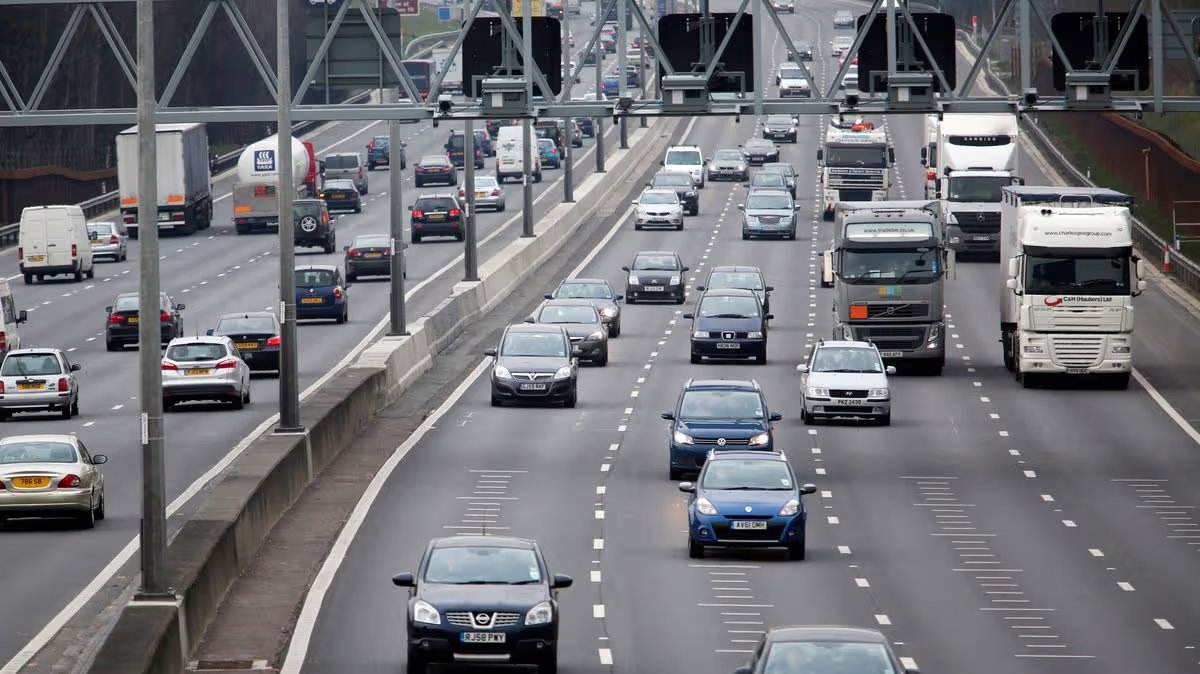
The Government has confirmed car tax rates applying to drivers from April 2026(Image: Getty)
The standard tax rate for all petrol, diesel or hybrid cars registered after 2017 rises to £200 from this week, with the Treasury confirming the new figures. Owners of electric cars that are under a year old will also have to pay a flat £200 rate.
If you pay in 12 monthly instalments, your total car tax cost will be £210. If your vehicle had a list price of more than £40,000 when it was first sold, or £50,000 if your car is electric, then you may also have to pay the Expensive Car Supplement, also known as the luxury car tax.
This adds £425 to the vehicle’s annual car tax costs for a period of five years. The exact fee for your annual road tax will depend on the year your car was first registered, the type of fuel it uses and its CO2 emissions A massive increase will also see some motorists pay £5,690 when they buy their car.
You have to pay a higher rate for diesel cars that do not meet the Real Driving Emissions 2 (RDE2) standard for nitrogen oxide emissions. You can ask your car’s manufacturer if your car meets the RDE2 standard.
First tax payment when you register the vehicle
CO2 emissions Diesel cars (TC49) that meet the RDE2 standard, petrol cars (TC48), Alternative fuel and zero emission cars All other diesel cars (TC49)
- 0g/km £10 £10
- 1 to 50g/km £115 £135
- 51 to 75g/km £135 £280
- 76 to 90g/km £280 £365
- 91 to 100g/km £365 £405
- 101 to 110g/km £405 £455
- 111 to 130g/km £455 £560
- 131 to 150g/km £560 £1,410
- 151 to 170g/km £1,410 £2,270
- 171 to 190g/km £2,270 £3,420
- 191 to 225g/km £3,420 £4,850
- 226 to 255g/km £4,850 £5,690
- Over 255g/km £5,690 £5,690
Rates for second tax payment onwards
Petrol or diesel, Electric & Alternative Fuel
- Single 12 month payment £200
- Single 12 month payment by Direct Debit £200
- Total of 12 monthly payments by Direct Debit £210
- Single 6 month payment £110
- Single 6 month payment by Direct Debit £105
A total of 59 models from 24 manufacturers, including well-known brands such as Ford, BMW and Mercedes, are now being hit with a £5,690 levy from April 1.
The hike comes after major changes to Vehicle Excise Duty (VED) rates brought in last year, which saw certain vehicles slapped with a £2,745 increase. The Government increased first-year VED charges for petrol and diesel cars from April 2025. These fees are paid by purchasers of brand-new vehicles before dropping to the standard rate afterwards.
A comprehensive breakdown of new models producing over 255 g/km has been published:
- Lamborghini Urus 4.0 V8 BiTurbo
- BMW X6 M 4.4 V8
- BMW M8 4.4 V8
- Land Rover Defender 110 5.0 P425 V8
- Ferrari Purosangue 6.5 V12
- Rolls-Royce Ghost 6.75 V12
- Mercedes-Benz G63
- Porsche 718 Cayman 4.0 GT4
- Maserati Levante 3.8 V8
- Mercedes-Benz GLS63h
- Audi R8 5.2 FSI V10
- Porsche Cayenne 4.0T V8
- Audi SQ8 4.0 TFSI V8
- Toyota Land Cruiser 2.8D
- Ford Ranger 3.0 EcoBlue
- Audi S8 4.0 TFSI V8
- Audi RS7 4.0 TFSI V8
- Jeep Wrangler 2.0 GME
- Mercedes-Benz GLE63
- Ford Ranger 2.0 TD EcoBlue
- Aston Martin DBX 4.0 V8
- Land Rover Defender 90 5.0 P425 V8
- Range Rover 4.4 P615 V8
- Audi RSQ8 4.0 TFSI V8
- Mercedes-Benz SL55
- Jaguar F-Pace 5.0 P575 V8
- Aston Martin Vantage 4.0 V8
- Toyota Hilux 2.8D
- INEOS Grenadier 3.0P
- Mercedes-Benz AMG GT 4.0 V8
- Porsche Macan 2.9T V6
- Lamborghini Huracan 5.2 V10
- Alfa Romeo Stelvio 2.9 V6 Bi-Turbo
- Ford Mustang 5.0 V8
- Lotus Emira 3.5 V6
- Mercedes-Benz GLC63
- Bentley Bentayga 4.0 V8
- Ford Ranger 3.0 V6
- BMW Alpina XB7 4.4 V8
- Audi SQ7 4.0 TFSI V8
- Aston Martin DB12 4.0 V8
- BMW X7 M 4.4 V8
- Rolls-Royce Cullinan 6.75 V12
- Lamborghini Revuelto 6.5 V12
- Volkswagen Amarok 3.0 TDI
- Ferrari Roma 3.8T V8
- Chevrolet Corvette Stingray 6.2 V8
- Range Rover 4.4 P530 V8
- Maserati MC20 3.0 V6
- Mercedes-Benz G400D
- Maserati Levante 3.0 V6
- Bentley Flying Spur 4.0 V8
- Bentley Continental 4.0 V8
- BMW X5 M 4.4 V8
- Audi RS6 4.0 TFSI V8
- Porsche 911 3.7T 992 Turbo
- Bentley Continental 6.0 W12
- Range Rover Sport 4.4P V8
- McLaren GT 4.0T V8
Cars registered between 1 March 2001 and 31 March 2017
Band and CO2 emission Single 12 month payment
- A: Up to 100g/km £20
- B: 101 to 110g/km £20
- C: 111 to 120g/km £35
- D: 121 to 130g/km £170
- E: 131 to 140g/km £200
- F: 141 to 150g/km £225
- G: 151 to 165g/km £275
- H: 166 to 175g/km £325
- I: 176 to 185g/km £360
- J: 186 to 200g/km £410
- K*: 201 to 225g/km £445
- L: 226 to 255g/km £760
- M: Over 255g/km £790
Motors priced above £40,000 face the VED premium vehicle tax supplement
Cars with a new purchase price exceeding £40,000 (including any added features) will attract an additional annual payment of £425 (rising from £410) on top of regular yearly VED motor tax costs, payable from years one to six of ownership.
Motorists who’ve splashed out more than £40,000 on a new car (including extras) will encounter an extra £425 levy throughout a five-year stretch, beginning when the vehicle is taxed for its second year. Once your motor hits its sixth year, you’ll have forked out an additional £2,125 in taxation.
From April, the threshold for the so-called “luxury car tax” (that £425 surcharge) has increased to £50,000 for electric vehicles, whilst petrol and diesel cars will remain at the £40,000 threshold.
If you’re driving an older vehicle registered before March 2001, your fee is worked out using VED engine capacity bands instead of CO2 emissions.
New mileage levy for electric and hybrid vehicles
From April 2028, electric vehicles will face a new ‘mileage levy’ designed to compensate for the lost fuel duty revenue from these cars. Starting in April 2028, motorists will pay the equivalent of 3p per mile for battery electric vehicles and £0.015p per mile for plug-in hybrid vehicles.
The Chancellor has stated this will help fund road maintenance. This charge will increase annually in line with the Consumer Price Index.
At present, no system has been outlined for how the policy will be implemented or how drivers will need to pay. It’s projected to add approximately £300 for every 10,000 miles driven in an electric vehicle.
Expensive car supplement raised for EVs
Launched in 2017, the Expensive Car Supplement imposes an extra £425 each year for five years following the first tax payment on new cars costing more than £40,000. However, the Budget has lifted this limit to £50,000 for electric vehicles, meaning buyers of EVs beneath this price won’t face the Expensive Car Supplement.
Vehicles over 40 years old
The 40-year classic car tax rule remains the same. If your vehicle was made over four decades ago, you’ll still be classified under the ‘historic vehicle’ category and won’t have to pay any VED.
Similarly, road tax exemptions for disabled drivers remain unchanged. If you’re eligible, you’ll continue to be completely exempt from these increases.