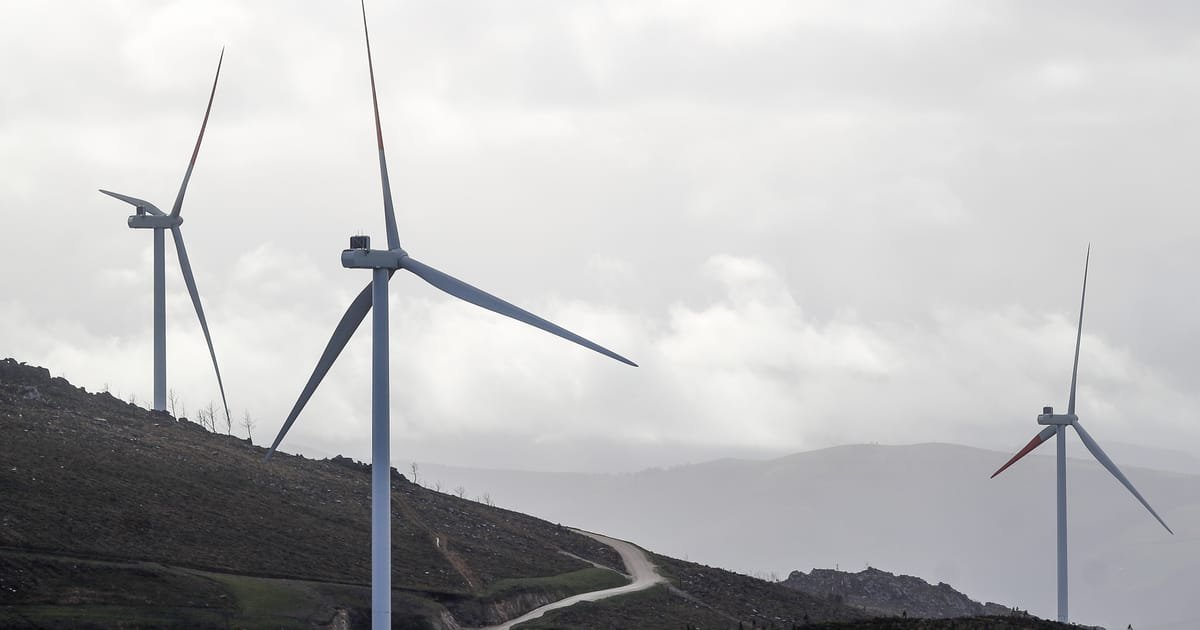
“When gas only drives your electricity price 15 percent of the time, a sudden 50 percent-plus spike in gas costs barely registers,” Rosenow said.
Dave Jones, chief analyst at energy think tank Ember, insisted that Spain’s fossil-free approach could be replicated elsewhere, whether by building out the North Sea’s wind power capacity or exploiting Central Europe’s geothermal potential.
“Spain is just ahead of the curve,” he said.
Complex reality
Rosenow cautioned that Sánchez is “slightly overstating” Spain’s energy advantages because the country’s remains vulnerable to the ups and downs of global fossil fuel markets.
“Spanish homes are still predominantly heated with gas and oil, and cars are still mostly running on petrol and diesel,” he said. “The war in Iran is hitting those sectors too, and consumers are feeling it at the pump and on their heating bills, just like everyone else.”
That’s why, despite his boastful tone in Brussels, Sánchez on Friday unveiled a €5 billion, 80-point plan to address the war’s economic fallout. Among other measures, his government will slash energy taxes and grant fuel subsidies to farmers and fishermen.