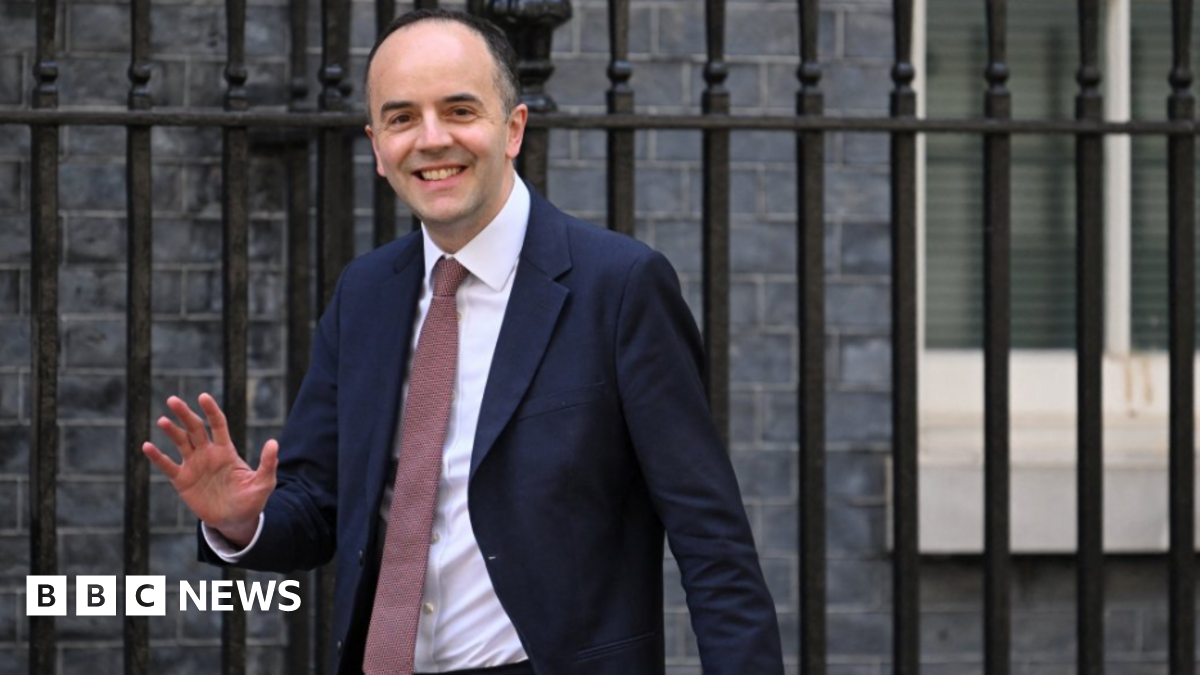
The health brief is one of the largest in government, and Murray inherits an overflowing in-tray and a department under continuous scrutiny from politicians, clinicians, patients and the media.
Sorting out the resident doctors’ dispute is an immediate challenge. There have been 14 strikes since March 2023 with no resolution in sight yet.
The Royal College of Nursing, meanwhile, says Murray must urgently tackle the depleted and undervalued nursing workforce.
Tackling the issue of corridor care in A&E is another challenge.
A key Labour pledge – ensuring that 92% of patients in England get planned treatment done in 18 weeks – will fall to the new secretary of state and most health experts are doubtful whether the target can be achieved.
This week’s King’s Speech also included an NHS Modernisation Bill which will have to be steered through parliament. This has all the technical detail required to formalise the abolition of NHS England and the move of its functions to the Department of Health and Social Care.
There will, no doubt, be multiple amendments amidst intense parliamentary scrutiny – and that’s not to mention the job cuts and disruption of the administrative shake-up that comes with it.
Intriguingly, Murray comes from one side of the Whitehall table – as a treasury minister fending off spending requests – to the other, as the head of a major spending department.
As Chief Secretary to the Treasury he would have had robust exchanges with Wes Streeting over money for health. His management experience will come in handy, as will his close relationship with the Chancellor Rachel Reeves.