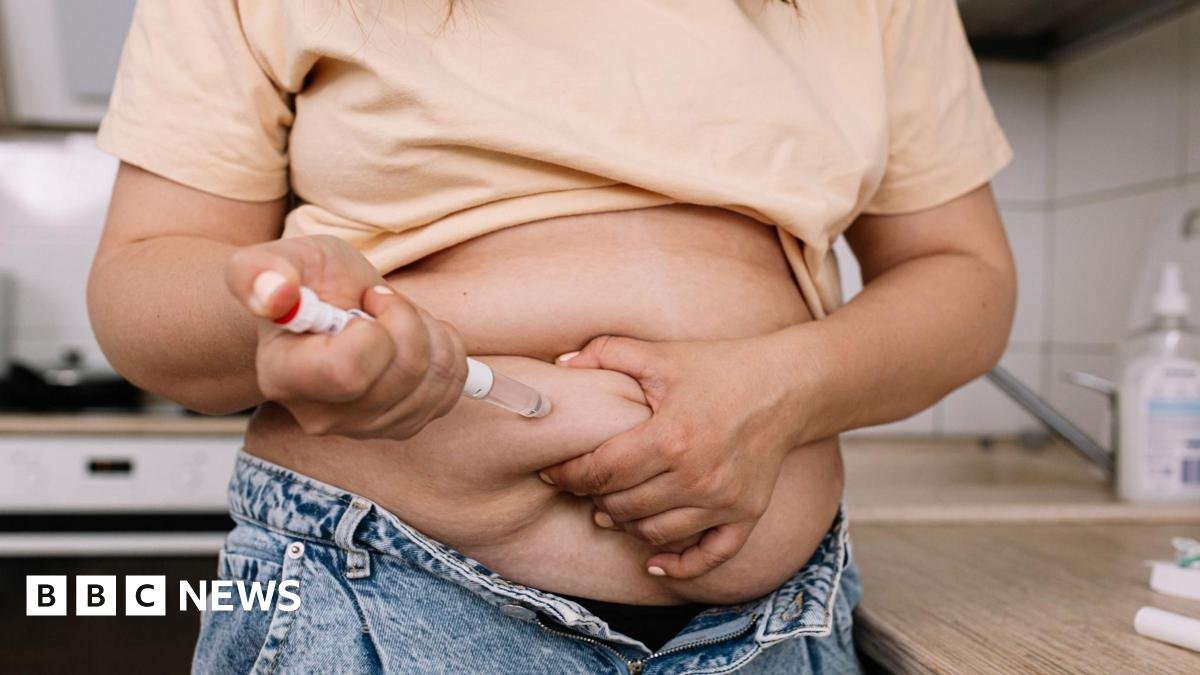
The drug, also known as semaglutide, works as an appetite suppressant by mimicking a hormone called GLP-1 that makes people feel fuller, which can help them lose weight.
It also slows down how quickly food is digested. Some people may experience bloating, nausea or discomfort as a side effect.
Doctors should also prescribe lifestyle changes that include eating healthily and getting enough exercise to help people keep the weight off.
Currently, treatment with Wegovy is limited to two years on the NHS through specialist services and its long-term risks are still being studied.
Many say the treatment should be considered life-long, given the risk of relapse.
NICE says the NHS has reached an agreement with the pharmaceutical company Novo Nordisk that makes the treatment, ensuring it will be cost-effective.
Dr Sonya Babu-Narayan from the British Heart Foundation said she hoped the injections could be made available to everyone who could benefit “as soon as possible”.
Prof Robert Storey, an expert in heart health at the University of Sheffield, warned GLP-1 drugs could reduce muscle mass as well as fat.
“Physical activity, such as resistance training, is important to counteract potential negative effects on muscle strength,” he added.