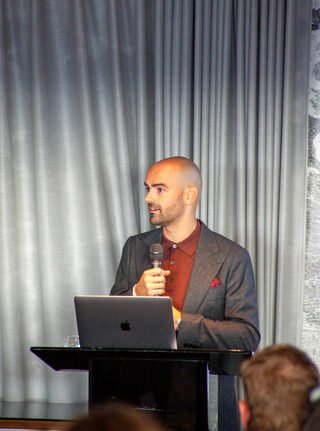
Speaking for RBC Wealth Management, Savard says that the firm’s investments in and application of AI is meant to help roles evolve to be more client focused, rather than replacing jobs entirely. She notes that her firm has focused on direct recruitment from universities, as well, with an advisor training program call the President’s Club which brings in between 100 and 125 new advisors every year for the past 75 years. What AI enables RBC Wealth Management to do, in Savard’s view, is give those new associates more time with the clients and less time dealing with administrative work.
Savard believes that AI cannot replace that client facing work in wealth management. While an AI bot might replace a website chat function or even the frontline functions of a call center, the relationship between a client and even a junior wealth management associate is built on a foundation of human understanding and trust. The complexity of serving a high net worth client, she adds, requires a level of emotional and practical intelligence that only human advisors can provide.
While human connection sits at the core of how RBC Wealth Management will continue to recruit and train, Savard notes that new generations of advisors are coming into practice well equipped with AI knowledge and expecting high quality AI tools. She notes that RBC’s investment in its own generative AI tools has helped with its recruitment drive among talented young graduates. As an increasingly AI-native cohort joins the industry, Savard believes that her firm’s Borealis AI tool can help convince those young people to become RBC Wealth Management advisors. However, she doesn’t lead with that tool in recruitment and training. Savard prefers to focus on the human side of the business and show her AI-native recruits how the tool can support that core goal.
RBC Wealth Management may be better positioned to maintain its talent pipeline than many other firms in Canada. The brand presence of RBC alone makes it a magnet for young talent curious about financial services. Savard argues, though, that her firm and others need to keep educating the next generation about wealth management and the careers they can build in this industry, no matter how many tasks AI eventually automates.
“It’s no secret that in business schools, they talk about capital markets, investment banking, and those very specific types of roles, but very few young people graduating understand wealth management. They don’t even know it exists,” Savard says. “I think we have to continue to be out there educating people because careers in wealth management are very rewarding.”