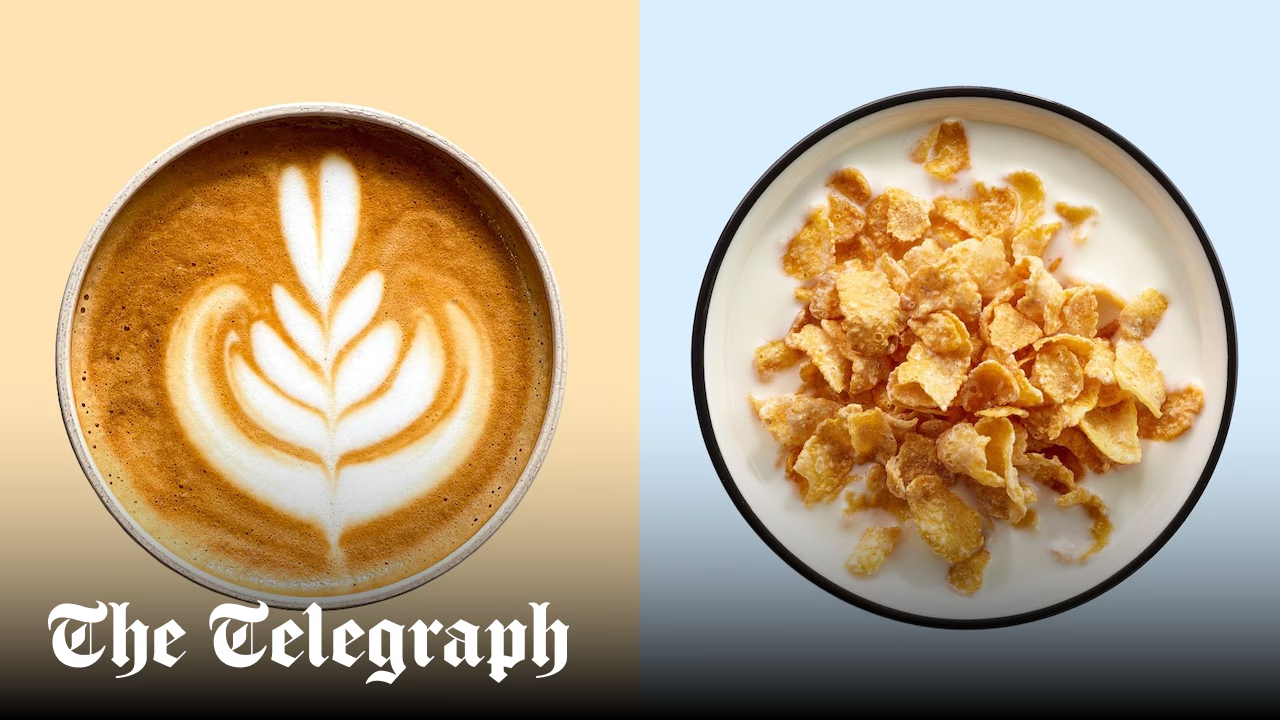
“This is one of the better-established food interactions,” Hobson explains. Coffee contains micronutrients called polyphenols that prevent and reverse damage to our cells, making them highly beneficial for our health. Cereal, meanwhile, is fortified with vitamins including iron, which our bodies need to make red blood cells. Around three in 10 people in the UK are deficient in iron.
However, during digestion, the polyphenols in coffee bind to the iron in our breakfast cereal and reduce how much our bodies can absorb, he says.
“Someone with low iron stores, people following a vegetarian or vegan diet, pregnant women or older adults may benefit from being a little more mindful,” when tucking into this pairing, Hobson says.
Top tip
Coffee only reduces the absorption of non-haem iron, which is the type found in non-animal products, including cereal but also nuts, whole grains, leafy greens and some dried fruit, notes nutritionist Sophie Gastman, author of Find Your Healthy. “I would avoid drinking coffee alongside these foods, especially if you are iron deficient.”
“If you have low iron levels or rely on plant-based sources of iron, try drinking coffee around an hour before or after breakfast instead of with it,” Hobson says. “Pairing cereal with vitamin C-rich fruit, such as berries or kiwi, can also help improve non-haem iron absorption.”
Coffee doesn’t reduce the absorption of iron from animal products, such as meat, fish and poultry, Gastman notes. So, a cup of coffee alongside a fry-up won’t interfere with how much iron you absorb.