Technology offers significant benefits across virtually all aspects of modern life, including improved communication, exponential growth in information access, increased productivity and automation, and advances in healthcare, resulting in extended longevity. For example, the positive benefits of biotechnologies — from pharmaceuticals to joint replacements — are not disputed. Adverse effects are always risks, but still, the benefits for humans far outweigh the risks.
However, other advances in technology do present new risks. The growth in the development of computing, artificial intelligence (AI), robotics, and even cellphones and social media presents new pitfalls, including loss of privacy, job displacement, social isolation, and negative effects on our health. The question is, how can we utilize advances in technology while preventing harmful risks?
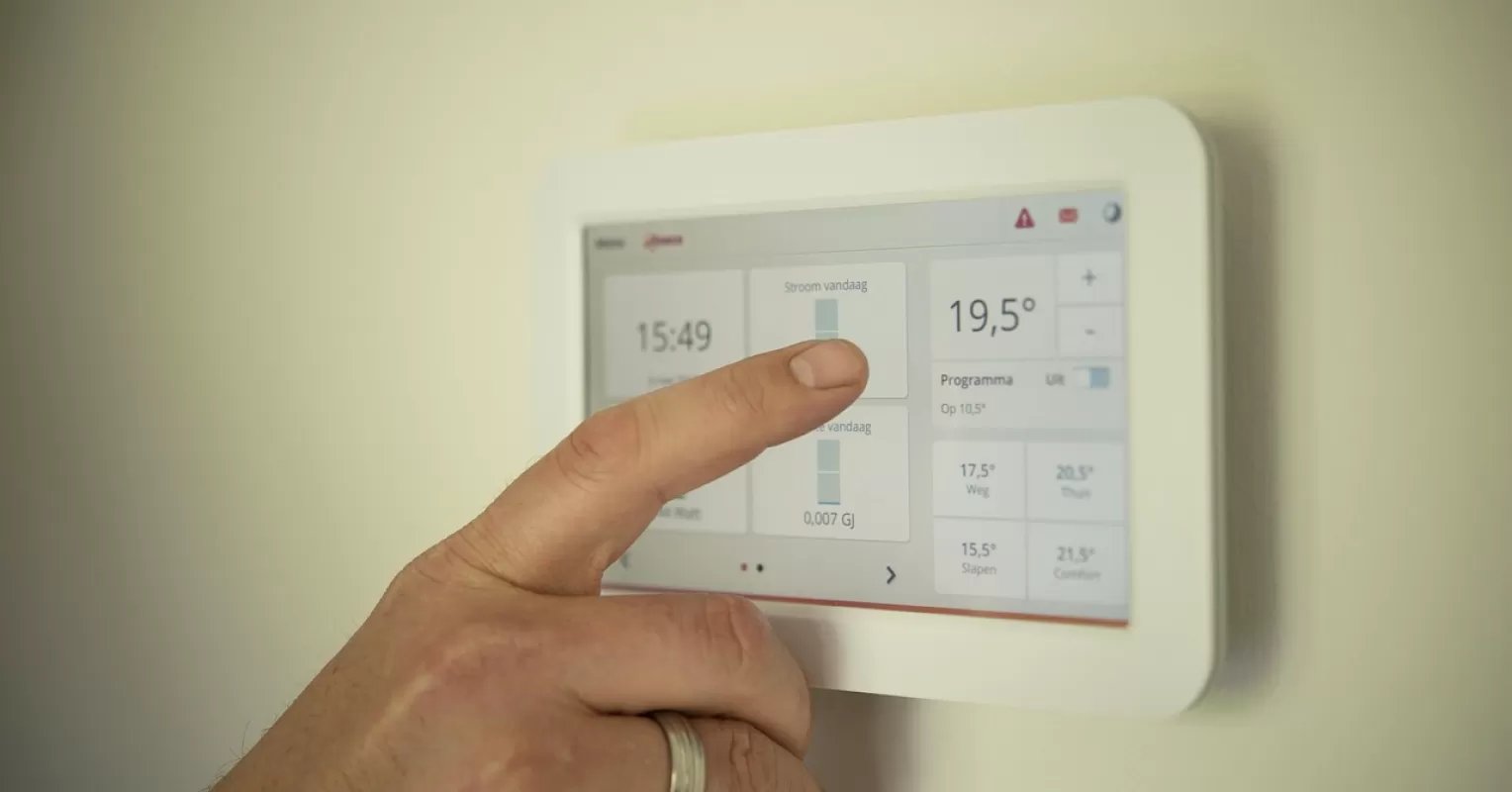
In the summertime, when it’s hot outside, the heat can sap strength and motivation. Luckily, humans invented a cool (literally) technology called “air conditioning” for homes and workplaces so that we can be more comfortable and productive. Thanks to cooling technology, we are able to prevent food spoilage, prevent computers and other industrial equipment from overheating, and generally improve quality of life and increase productivity. Likewise, in the cold of winter, millions rely on electric heating to stay comfortable. Our ability in modern times to regulate the temperature of our living and workspaces is often taken for granted, but this technology has completely changed modern life and behavior. (1) Once again, there are pros and cons to such impactful technology. The costs in terms of energy consumption and environmental impacts will be astronomical, and they will continue to increase.
Historically, the introduction of any new technology comes with big changes in behavior, economics, and lifestyles. Lightbulbs replaced gas lamps — think how many electric lights are now in use! This innovation gave rise to new industries and jobs, from building electrical grids to manufacturing light bulbs. But lamplighters were put out of business. Similarly, automobiles and trucks replaced the horse and buggy. Again, new jobs were created — from building roads to selling gasoline — but the horse-drawn carriage builder jobs and whip manufacturers also became extinct. Today, transportation is evolving to electric vehicles and charging stations. With each new technology, jobs are displaced or lost, and new opportunities emerge. The benefits of new technology seem to outweigh the risks. Or do they?
Currently, AI dominates the debate about the pros and cons of new technologies due to AI’s anticipated impact on jobs. Beyond economics, AI possibly will impact humanity’s safety and survival! AI is debated because it is a developing technology that can outsmart its creators. Much has already been written about the risks versus benefits of AI (see my post Fear of AI and the Digital Future), as well as other technologies from fusion energy to quantum computing.
We love the comfort of air conditioning, especially in the summertime. However, the energy consumption and heat exchange from using air conditioning contribute to record-breaking heat. Most air conditioning runs on electricity, which is generated by burning fossil fuels. This leads to greater emissions, increasing global warming. It seems we have adopted a dangerous cycle of higher temperatures producing ever higher demand for air conditioning. Also, by becoming so acclimated to our managed and controlled environments, we may be less able to adapt to the increased heat, and thus even more vulnerable to the effects of climate change. Are we so used to our comfortable, artificially cooled and heated indoor spaces, that we avoid — to the point of ignoring — what’s happening outdoors?
Perhaps technology will evolve again and offer new innovations to save us? A big change may be coming for cooling technology. Magnetic cooling, or magnetocaloric technology, uses materials that heat or cool under the influence of a magnetic field, enabling cooling without traditional compressors or harmful refrigerant gases. (2) Will this newly rediscovered cooling technology revolutionize and disrupt the multibillion-dollar HVAC industry? Probably not anytime soon, but the potential for tomorrow is already being realized. Even magnetic cooling requires a lot of electricity, but perhaps solar panels will help power them. The newest innovations may be in the use of “passive cooling” systems that are more eco-friendly, and low-energy approaches to reduce heat in buildings using natural processes, strategic design, and insulating materials. These methods help promote natural ventilation, using shade and evaporative cooling to create comfortable indoor temperatures without needing mechanical cooling. These are possible cooling solutions that won’t contribute to our overheated planet.
We must consider that it is likely technology will continue to reshape and disrupt society in the future. The risks of digital evolution will continue to be debated. However, there is no doubt that technology developers will continue to innovate. Therefore, we cannot ignore the coming digital revolution. Instead, carefully planned safety, ethical guardrails, and sensible designs may boost the benefits while reducing some of the risks, but not without sustained consideration and efforts.