The freezing of tax thresholds mean more people get dragged into paying tax for the first time, or a higher rate of tax, as their earnings increase

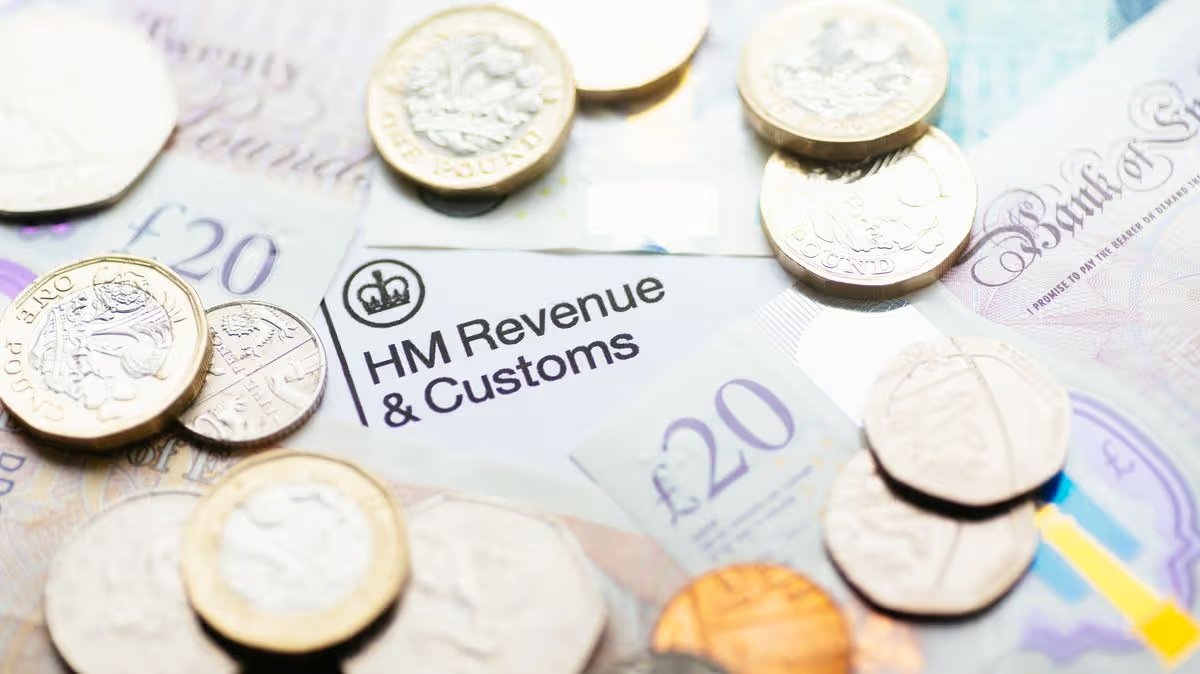
The personal allowance is how much you can earn tax-free(Image: GETTY)
Chancellor John Healey will deliver his Budget next week – but will he announce any changes to the personal allowance?
The personal allowance is how much you can earn before you start to pay income tax. It has been frozen at £12,570 since 2021 and is currently set to remain at this level until 2031.
The freezing of tax thresholds mean more people get dragged into paying tax for the first time, or a higher rate of tax, as their earnings increase. This is known as fiscal drag, or a stealth tax, as it is a way for the government to take more tax without actually increasing tax rates.
Almost half of Mirror readers in a recent poll voted the unfreezing of tax thresholds as the help they wanted most to be announced in the Budget.
During his campaigning for the Makerfield by-election, Andy Burnham hinted that he is interested in reassessing the personal allowance. He said: “One thing I heard the most on doorsteps…was frustration about the personal allowance frozen at £12,570.”
However, he acknowledged that introducing any changes would be “difficult given the financial circumstances in which we find ourselves”.
To see more of the stories you love from The Mirror and to find them easily in Google then make us your preferred source. Free and easy-to-do, just click on the link here to find more from The Mirror at the top of your feed.
What is the personal allowance?
The personal allowance is how much most people can earn before they start to pay income tax. The personal allowance is £12,570. You pay 0% income tax on earnings up to this amount.
For earnings between £12,570 and £50,270, you pay the basic 20% rate of income tax. You pay the higher 40% rate on earnings between £50,270 and £125,140, while the additional 45% rate kicks in when you start to earn more than £125,140.
- Personal allowance – up to £12,570
- Basic rate (taxed at 20%) – £12,571 to £50,270
- Higher rate (taxed at 40%) – £50,271 to £125,140
- Additional rate (taxed at 45%) – over £125,140
Will the personal allowance be increased in the Budget?
The Telegraph reports that the Government is considering raising the personal allowance to £15,570. This has come from a proposal put forward by Labour donor Dale Vince, who has donated £6million to Labour since 2013 through his business, Ecotricity.
The newspaper reports that the Government is reviewing his idea, which suggests funding the increase by raising Capital Gains Tax and ending Bank of England interest payments on commercial bank reserves.
However, John Healey this week dismissed calls from some Labour MPs to increase Capital Gains Tax. If you pay income tax at the basic rate then Capital Gains Tax is charged at 18%. For higher and additional rate income tax payers, the rate is 24%.
A Treasury spokesperson told the Mirror: “As has always been the case, decisions on tax are a matter for the Chancellor to set out at fiscal events, rather than routinely commenting on rumour, speculation or proposals.”
How much would the personal allowance be worth now?
Analysis by investment platform AJ Bell reveals the personal allowance would be worth about £16,072 for the 2026/27 tax year and £17,380 by 2029-30, had it kept up with inflation.
Its analysis reveals that raising the personal allowance by £500 could save basic rate taxpayers £100 off their annual tax bill. Charlene Young, senior pensions and savings expert at AJ Bell, said: “The more it’s hiked, the bigger the potential tax saving, and the bigger the fiscal hole Healey needs to fill.
“HMRC estimates that every £100 increase in the allowance costs around £1 billion a year on average, meaning a £500 hike could cost around £5billion..”
But the Institute for Fiscal Studies (IFS) estimates that reinstating annual inflation-linked increases from April 2027 would cost the government approximately £8.4billion per year.
How to cut your tax bill
Sarah Coles, head of personal finance at AJ Bell, suggests making extra pension contributions could help bring you down a tax bracket, if you are particularly near the next threshold.
This is because upping your pension contributions may bring you back down below the next tax bracket by reducing your adjusted net income.
She added: “It’s worth checking if your employer will match any additional contributions into your workplace pension, to super-charge your efforts.”
You may also be able reduce your tax bill if you are married. Marriage tax allowance allows you to transfer £1,260 of your personal allowance to your husband, wife or civil partner to reduce how much tax they pay.
This reduces their tax by up to £252 in the current tax year – but it is also possible to backdate your claim by four tax years. One of you needs to be a non-taxpayer, while other needs to be paying the basic 20% rate of tax, to qualify for marriage tax allowance.
Clare Stinton, senior personal finance analyst at Hargreaves Lansdown said: “Tying the knot unlocks financial advantages – in particular, tax perks.
“Benefits that unmarried couples simply don’t have access to, no matter how long they’ve lived together, regardless of shared bills, or whether they have children.“
Finally, you can protect your savings by considering an ISA – especially if you have earned enough in savings interest to be near the threshold for paying tax.
Basic 20% rate taxpayers can earn up to £1,000 in savings interest each tax year before they start to pay tax on the interest earned. Higher rate taxpayers can earn up to £500 in savings interest before they have to pay tax, while additional rate taxpayers do not receive any allowance.