
Want to bookmark your favourite articles and stories to read or reference later? Start your Independent Membership today.
Already a member?
Log in
In the run-up to the Budget, I warned that a tax on Britain’s banks would have unwelcome consequences for mortgage holders.
At a time when the average five-year fix had hit 6 per cent, I said that fewer attractive deals and tougher lending criteria were the last thing borrowers needed.
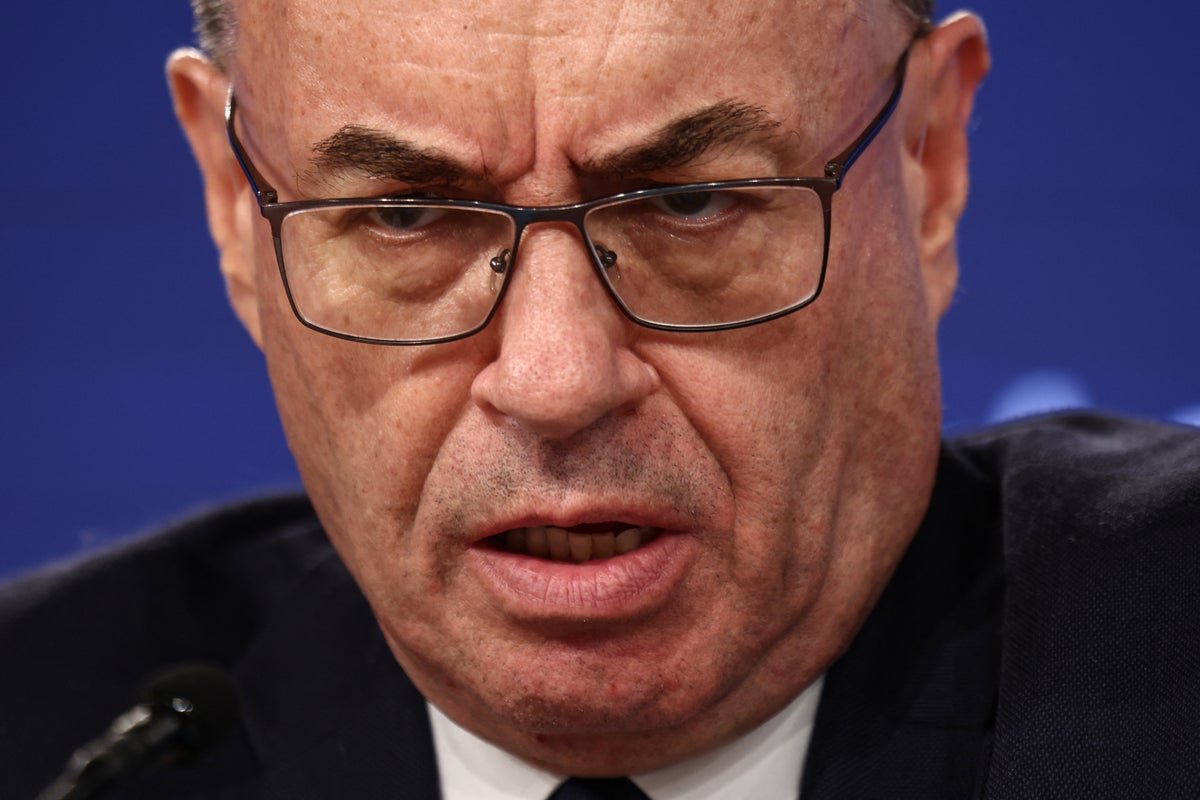
Now the governor of the Bank of England has lent weight to my argument that things could only get worse by saying that lenders are likely to pass on £1.5bn in new taxes, coming their way in January, to the customer. You’re welcome.
In a newspaper interview, Andrew Bailey said: “It’s a market economy, so these are decisions banks will have to take. You could understand that they will look to pass it on because they will be targeting a rate of return.”
The prospect of extracting additional revenue from highly profitable banks was understandably attractive to chancellor John Healey. But the assumption that their shareholders would bear the cost, rather than their customers, was always questionable.
Predicting the direction of mortgage rates has been particularly difficult this year. In June, following the Bank’s decision to hold interest rates, I argued that cheaper mortgages were on the way. Events proved me wrong.
By September, with the economic fallout from the Iran conflict feeding through into inflation and the bond markets, I warned of a return to the eye-watering rates we saw in the aftermath of Liz Truss’s mini-Budget. In October, as inflation accelerated, I predicted that an increase in the base rate to 4 per cent was all but inevitable.
It was against this deteriorating economic backdrop that I warned more recently about the consequences of an additional tax on bank profits. Bailey’s comments suggest that mortgage holders have good reason to be concerned.
Fixed-rate mortgages are priced largely according to market expectations of future interest rates, rather than the prevailing base rate. Much of the anticipated increase in borrowing costs is therefore already reflected in the deals available today.
But the additional tax gives lenders an incentive to protect their margins. They may become quicker to raise mortgage rates when wholesale borrowing costs increase and slower to reduce them when those costs fall. Arrangement fees could also rise, while savers may find themselves offered less competitive rates.
Competition between lenders should mitigate some of this. But borrowers coming to the end of fixed-rate deals, who must also contend with a 26 per cent increase in Ofgem’s energy price cap, face an expensive winter.
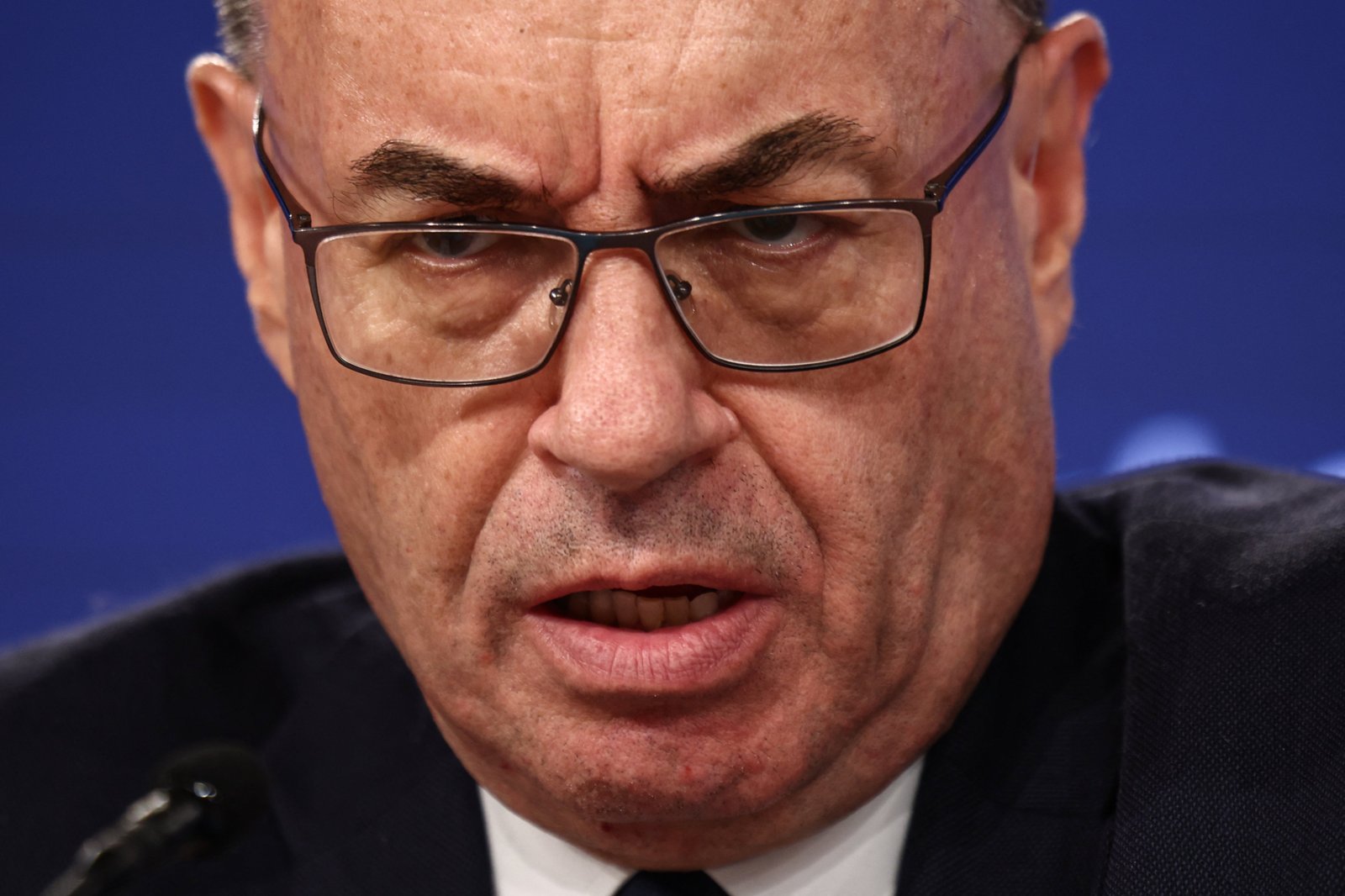
There are, however, steps they can take to protect themselves. “Anyone with a deal ending in the next six months can usually secure a new rate now and still switch to a cheaper one if rates improve before it starts. That gives protection against further rises without closing the door on a better deal later,” Nicholas Mendes, of mortgage broker John Charcol, tells me.
While another increase in the base rate next month looks almost certain, the longer-term outlook may be less bleak than financial markets currently suggest. Investors anticipate further increases that could take the base rate to 4.75 per cent. Mendes believes that may be overly pessimistic, and I am inclined to agree.
Pay growth has slowed and the labour market has weakened. Neither is welcome news for workers, but both reduce the likelihood of the sustained wage-price spiral that concerns the Bank’s Monetary Policy Committee. Inflationary pressures should begin to ease from next summer.
With the necessary caveats, given the experience of this year, I think we could be discussing interest rate cuts by this time next year, with cheaper mortgage deals becoming available before then.
The unfortunate consequence of Healey’s tax is that, even when economic conditions finally turn in borrowers’ favour, they may not enjoy the full benefit. That was my concern before the Budget, and nothing the governor has said since has allayed it.