Sarah Coles, of investment platform AJ Bell, warned that the tax burden on savers would become “even more painful” following the Chancellor’s announcement.
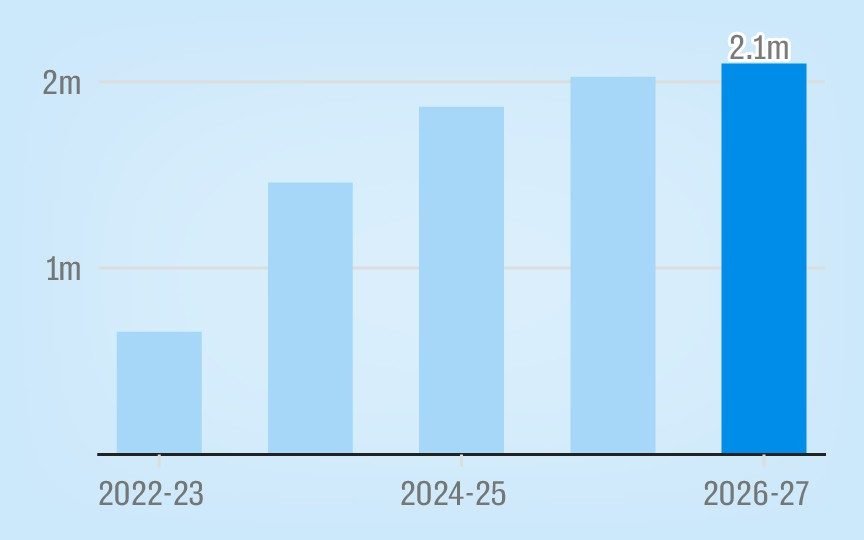
Andrew Wright, of Paragon Bank, which obtained the data, said fiscal drag had led to more high-earners paying savings tax.
He added: “While higher savings rates over the past few years have helped people earn more interest on their cash, frozen tax thresholds are bringing more people into higher tax bands, often without a significant change in their spending power.
“As incomes rise, some savers find themselves moving into the additional-rate band, where they lose the personal savings allowance altogether and can pay tax on savings interest from the very first pound earned.”
The personal savings allowance has remained unchanged since it was introduced in 2016, despite a decade of rising wages, inflation and savings balances, meaning more savers are being caught in the tax net.
The allowance is worth £1,000 for basic rate taxpayers, but drops to £500 for those on the higher rate. Additional-rate taxpayers do not receive the allowance.
Income tax thresholds were frozen in 2022 and will remain so until 2031, after the timetable was extended by Rachel Reeves, the former chancellor.