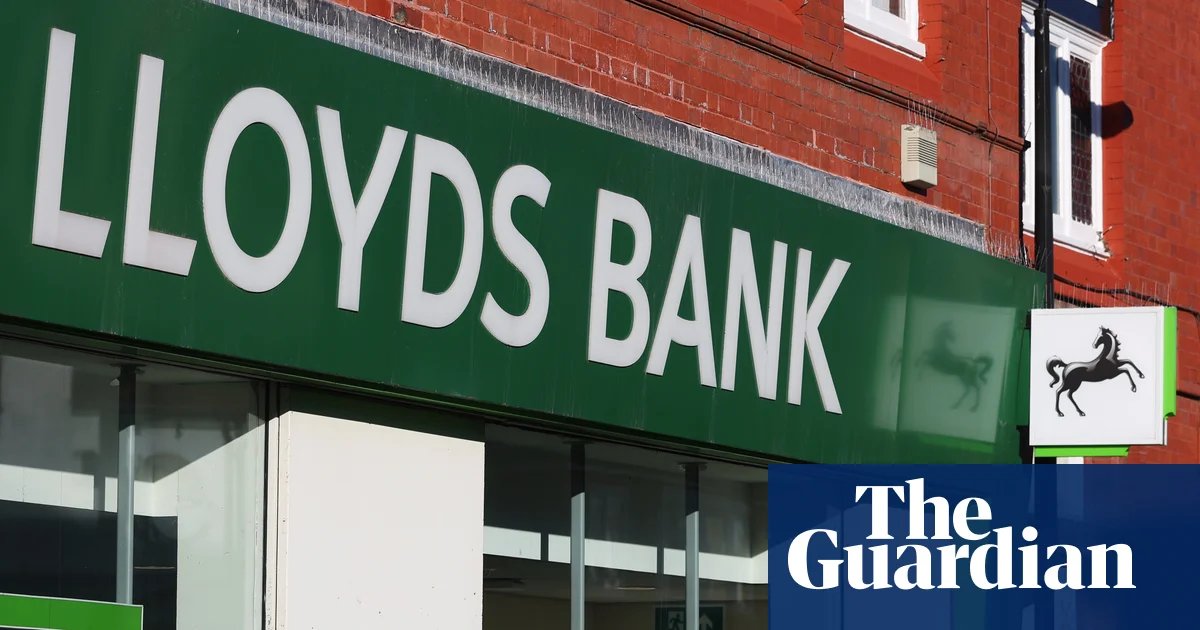
A top Lloyds Banking Group executive has criticised the chancellor for linking bank tax increases to energy bill support for UK households, as he warned the government against extending the higher levy beyond March 2028.
Lloyds’ chief financial officer, William Chalmers, acknowledged that the economic environment was “challenging but said this should not come at the expense of the banking sector, as it provides loans that could fuel UK growth.
“Ultimately, it is important that the UK banking sector is able to deliver banking services to businesses and households and communities in a cost-effective way, in order to promote UK growth,” he said, adding that it was also important that the sector stayed internationally competitive.
“We therefore very much hope that yesterday’s tax increase is indeed a temporary measure, to help ensure the business environment remains consistent with supporting long-term investment,” Chalmers told journalists during an earnings call on Thursday morning.
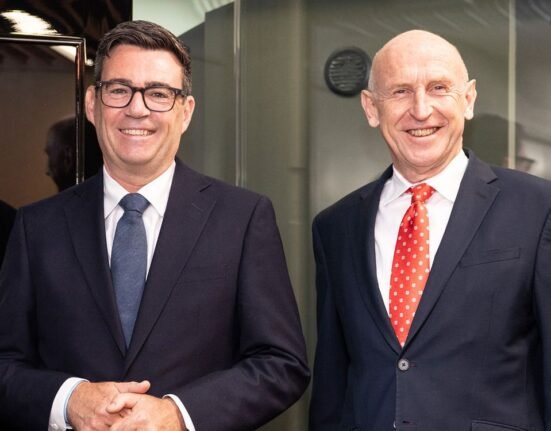
The comments came less than 24 hours after the chancellor, John Healey, announced plans to double the bank surcharge, which is levied on top of corporation tax, from 3% to 6% from January. Healey said the increase would be “time limited”, lasting 15 months in order “to pay for immediate support on energy bills”.
However, Chalmers questioned the government’s decision to tie bank taxes to soaring energy costs, amid concerns that this could open the door to an extension or even further rise in the levy after the 15 months expire.
“We hope this tax rate is limited,” he said. “When we look forward: what impact, if any, will energy prices have on that? Well, I don’t see an obvious linkage between energy prices and bank taxes.
“In fact, if anything, it makes it even more important that we’re able to lend into the real economy and secure growth, which is the best defence against energy price impacts that might otherwise be there on the UK economy.”
While the Treasury has promised to legislate for the 15-month tax rise limit in the financial bill, senior bankers and industry lobbyists have privately questioned whether a further energy crisis could throw that limit out the window.
Some pointed to Spain, where a two-year windfall tax on banks, meant to alleviate cost of living pressures in 2022, was ultimately extended a further three years, and increased from 4.8% to 7% for the country’s largest banks.
after newsletter promotion
“We are a major taxpayer,” Chalmers said: “We paid around £1.8bn of corporate taxes year to date, and it is important to us that we have a stable and a predictable tax regime.”
Lloyds on Thursday revealed that its third-quarter pre-tax profits almost doubled from a year earlier, from £1.2bn to £2.3bn. However, that increase largely reflected the £800m hit it took last year after setting aside another £800m for compensation over the motor finance scandal.
Its results were also supported by a 10% rise in net interest income, which measures the difference between what it charges borrowers versus what it pays to savers, showing the bank continued to benefit from higher interest rates.
Net interest income has risen across the banking industry, as inflation expectations – driven by higher fuel prices triggered by the war in the Middle East – pushed up interest rates.