01: The Booming Haunted Property Consumption Trend
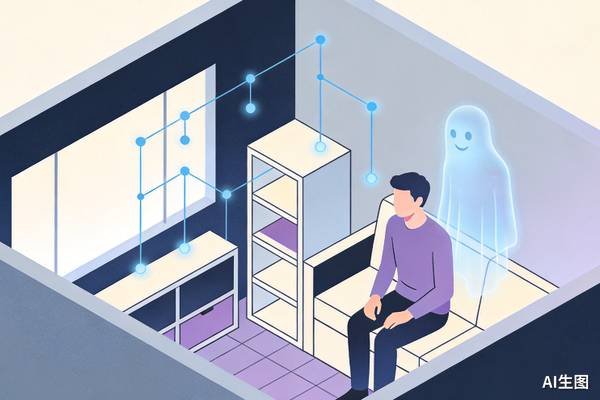
Nowadays, even the most alternative underground idols find living in haunted properties in Japan somewhat mainstream…
The reason is simple: haunted properties are becoming the most popular housing choices for renting and buying among Japanese people, especially the younger generation.
After this underground idol named Ryua first visited a small 25-square-meter apartment in Setagaya, Tokyo.
She chose to sign the contract immediately.

According to Ryua, when she visited the apartment, she spotted a man standing inside staring straight at her, but the accompanying real estate agent said he saw nothing. That was when she realized it was a ghost.
Most people would have turned around and run away at that moment.

But her reaction was: “I’m a little rebellious. Since he kept staring at me, I might as well make friends with him, so I signed the lease.”
In the interview, this extraordinary woman with an extremely strong horoscope said her over 4-year experience living in a haunted property was extremely fun. She said she could hear endless footsteps almost every day, as well as the voice of that “roommate”.
Not only can she make friends with the “previous owner” who died in the house, but the rent is also much cheaper because of this.
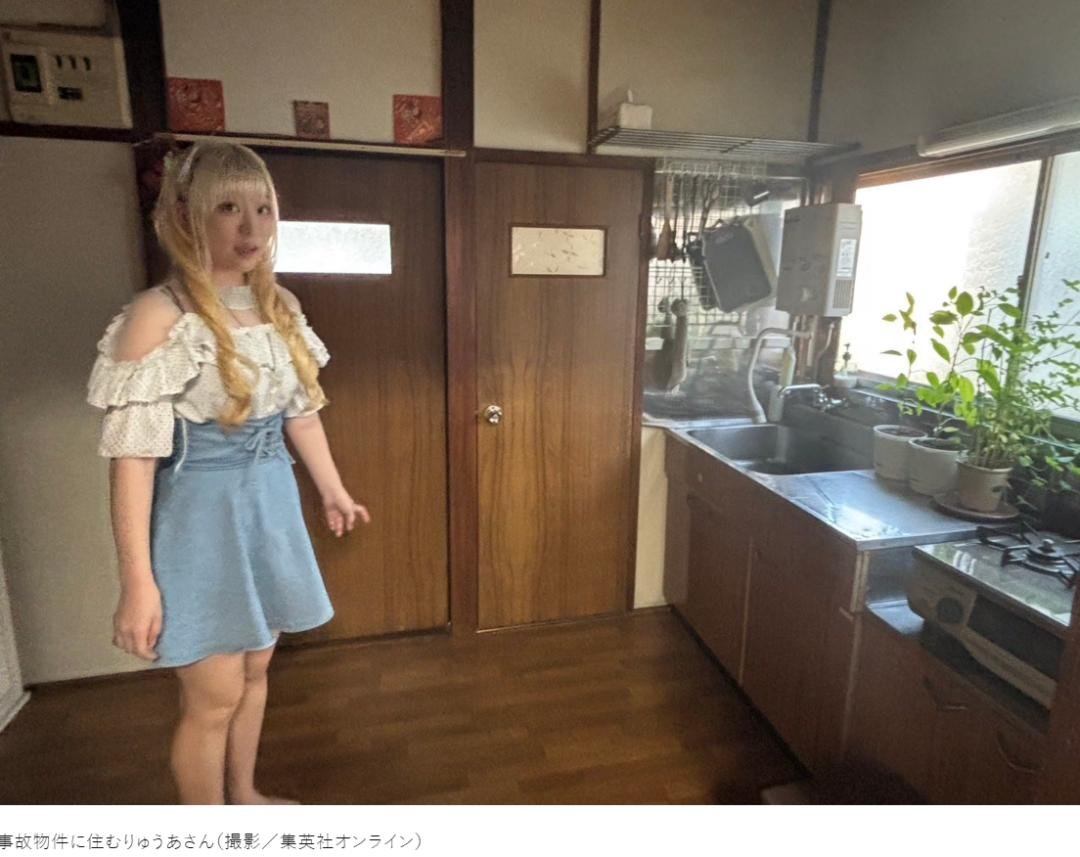
Showing her life openly in the haunted property
In fact, she already knew before renting the apartment that the previous tenant was a man who committed suicide inside. Because it was a haunted property, the monthly rent dropped from the original about 62,000 yen to 45,000 yen. It seems that living day and night with the “roommate” is most likely part of the alternative subculture identity, but it still takes remarkable courage to move in.
Besides, you can do the math: saving 17,000 yen per month adds up to about 204,000 yen a year, and about 816,000 yen over four years. For underground idols with unstable income, this sum of money is far more daunting than ghosts.
Ryua, who got the bargain, did not act pretentiously. She spoke publicly for her “roommate” and said: “Ghosts were once living people, so they deserve respect.”
Such news is not an isolated case. Numerous haunted property living experiences have been reported by many media outlets not only in Japan but also around the world.
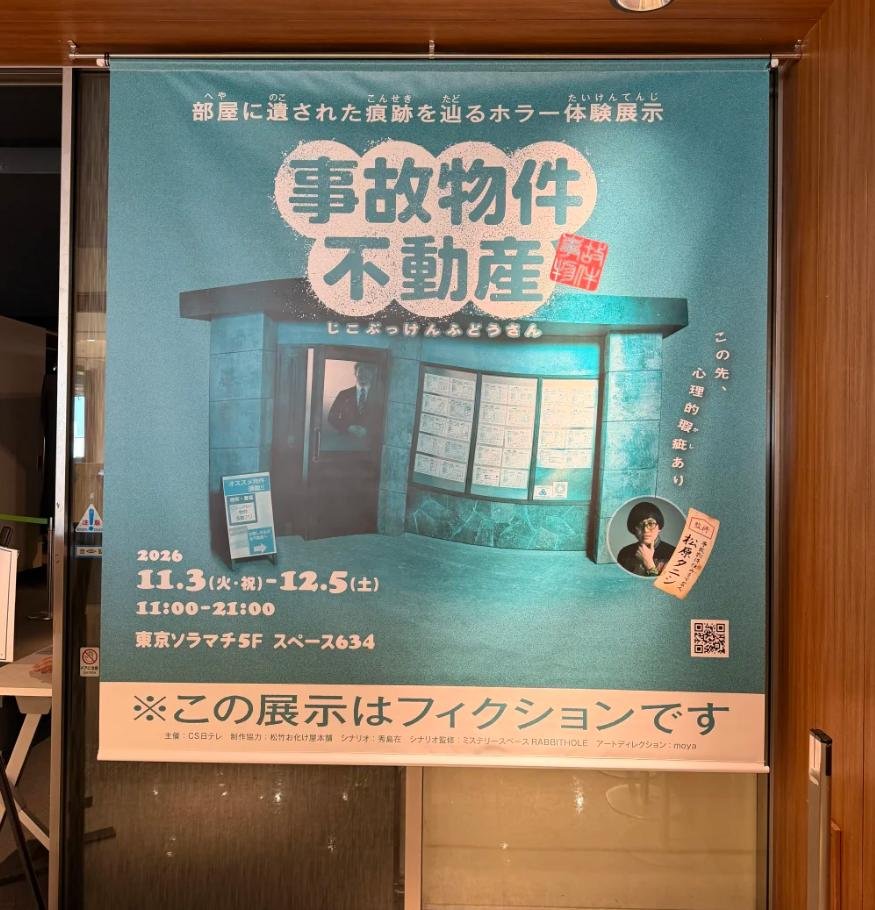
There are even special exhibitions for this
Some people move in for the low rent, some buy them at a steep discount and resell them for profit, and others rent haunted properties for inspiration to write original ghost stories, getting not only half-price rent but also huge earnings.
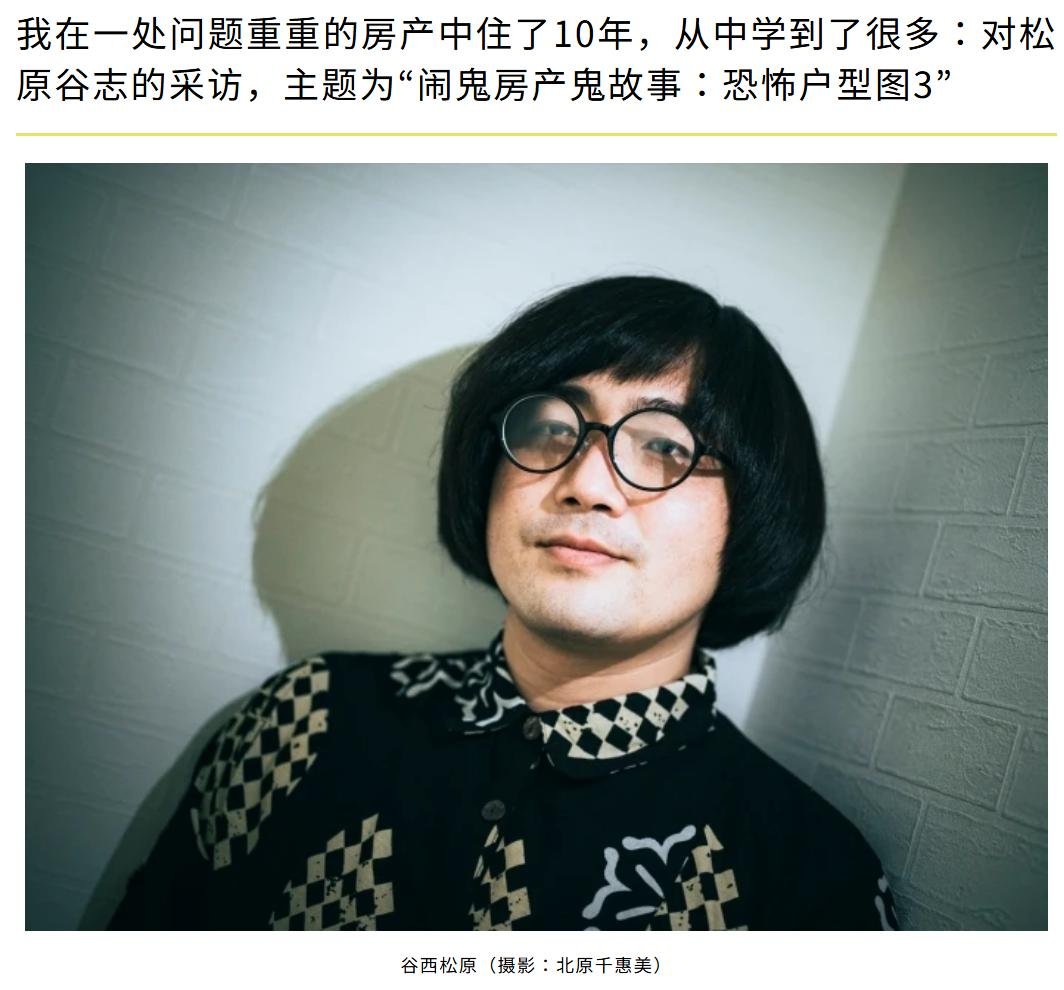
“Jiko Bukken” is the Japanese term for this type of real estate. A Japanese comedian named Tanishi Matsubara chose to rent two consecutive haunted properties to accumulate creative inspiration.
The first haunted property he rented had a monthly rent of 45,000 yen (original price about 70,000 yen), and the second was 26,000 yen (original price 52,000 yen). In the end, his work *Jiko Bukken Kaidan: Kowai Madori* sold more than 100,000 copies and was later adapted into a movie.
No matter you are afraid of ghosts or not, no matter you do it for creation or investment, there can be various reasons, but they all boil down to the same point: haunted properties are the cheapest. This realistic factor not only makes Japanese people vote with their feet instead of relying on courage, but also makes foreigners living in Japan dare to consume these properties boldly.
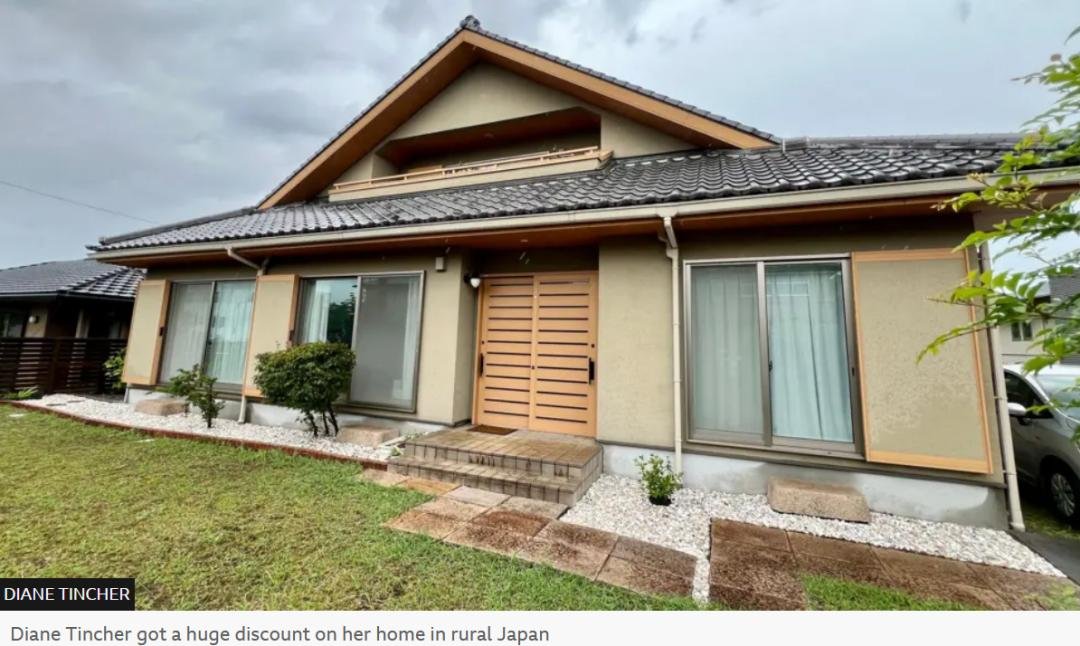
The BBC once reported that American Diane Tincher bought a three-bedroom house in the countryside of Kagoshima, Japan, at a bargain price. Similar houses in the local area can be sold for up to 45 million yen, but because the previous owner, an elderly person living alone, died alone inside the house, she only paid 20 million yen in the end, a huge discount.
She said she did not believe in ghosts, and she thanked “that old lady” every day.
Some people may surely wonder: these “haunted property lovers” seem to be just odd examples of saving money, are there really that many people interested in haunted properties in reality?
The answer is yes, absolutely. After all, this is a social issue, both a systemic problem and a systemic opportunity.
First look at the demand side: for young people in Japan today, the pressure of staying alive is greater than the pressure of dying, especially when it comes to finding a place to live in big cities like Tokyo.
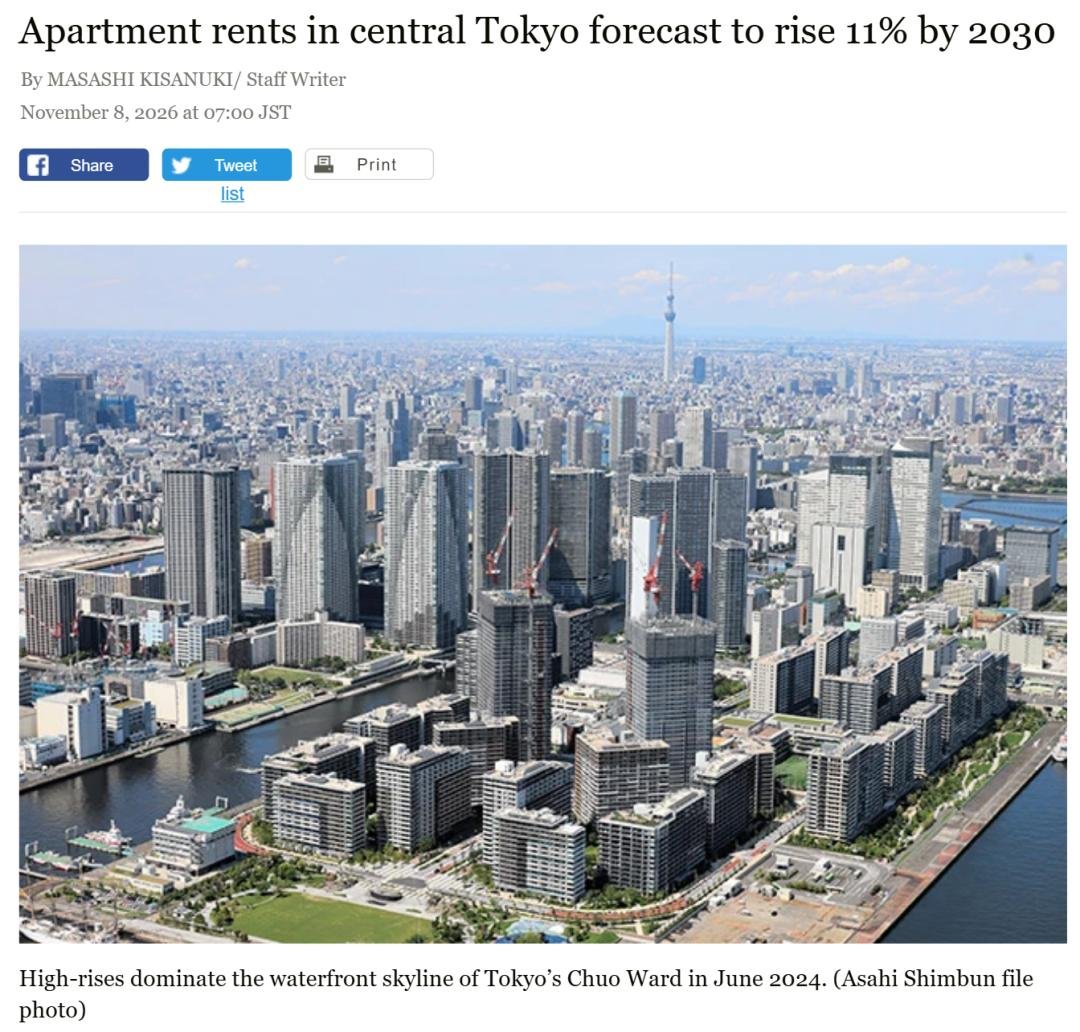
According to NHK reports, the average rent of single-person apartments in the 23 wards of Tokyo in June this year was about 114,000 yen, hitting a new high for 25 consecutive months. The figure was 112,585 yen in April, up 12.6% year-on-year, rising almost every month and getting more expensive every year.
According to the same survey, the rent of young people in their 20s in Tokyo accounts for 33.6% of their monthly income, and the old standard of “rent no more than 30% of monthly salary” has been broken.
On the other hand, a large group of people even have great difficulty getting access to “normal housing resources”.
Exclusionary policies still exist
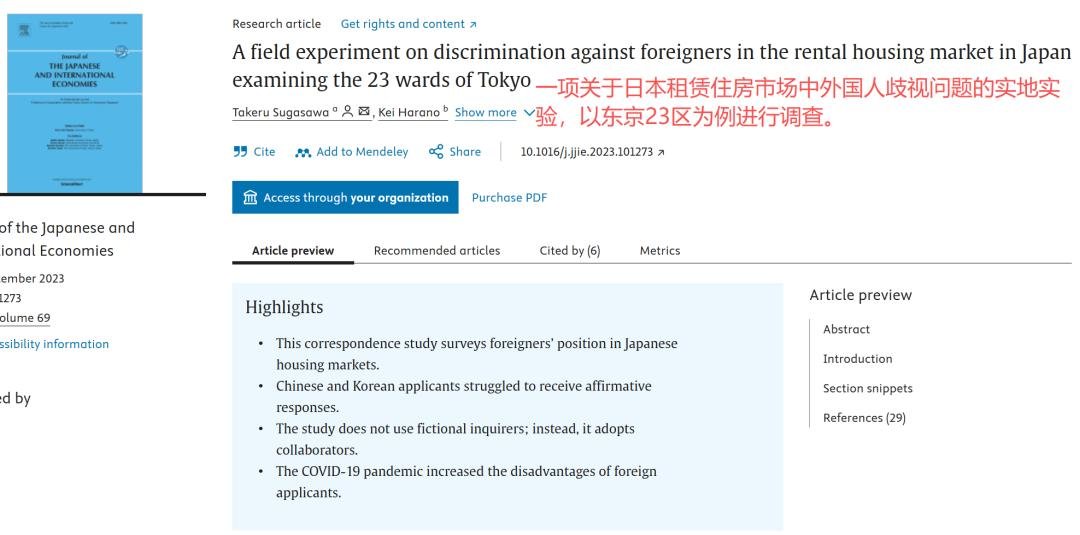
A survey by Japan’s Ministry of Justice found that 39.3% of foreigners who have looked for housing have been rejected for accommodation because of their foreign identity. For people with unstable income, the rental review is also a high barrier.
In a 2025 survey, 58.8% of Japanese freelancers felt that they were regarded as having “unstable occupations”, making it harder for them to pass reviews and rent normal housing units.
So it is not surprising that a 2025 BBC survey showed that as long as the rent is cheap enough, more than half of Japanese respondents are willing to rent haunted properties.
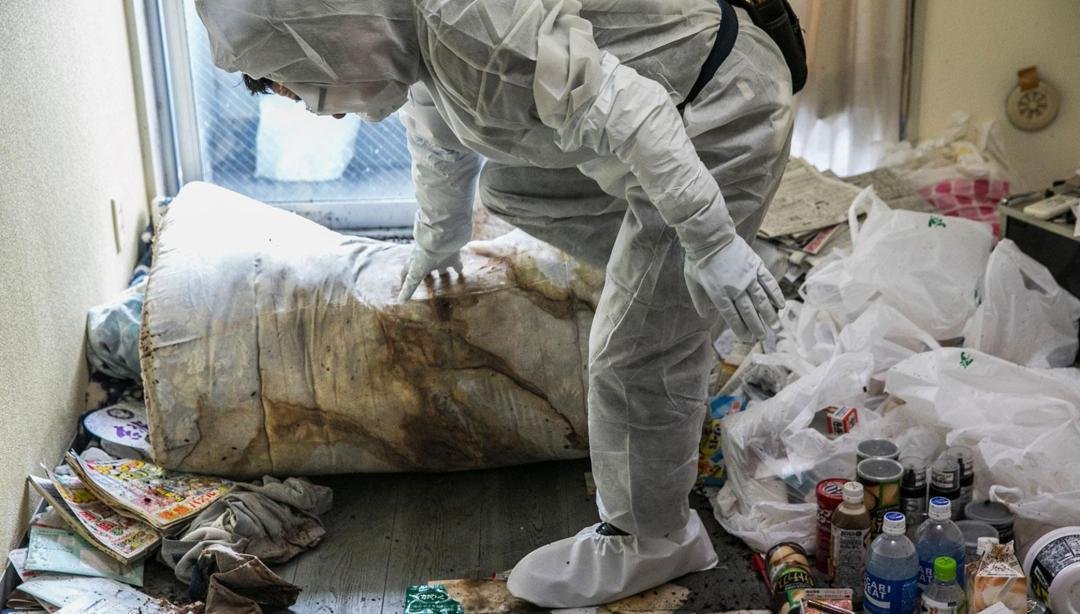
Then looking at the supply side, the supply of haunted properties in Japan is extremely large now, enough for the market to digest for a long time.
In addition to factors such as homicide, suicide, and accidental death, the biggest driving force behind the increase in haunted properties is lonely death.
In Japan, where the aging population is intensifying, the number of lonely deaths across the country reached 76,000 in 2025 alone. Besides, the label of a haunted property is not easy to remove. Even if no new haunted properties are added, the total number of existing haunted properties will not decrease significantly, not to mention that a large number of new ones are being added every year.
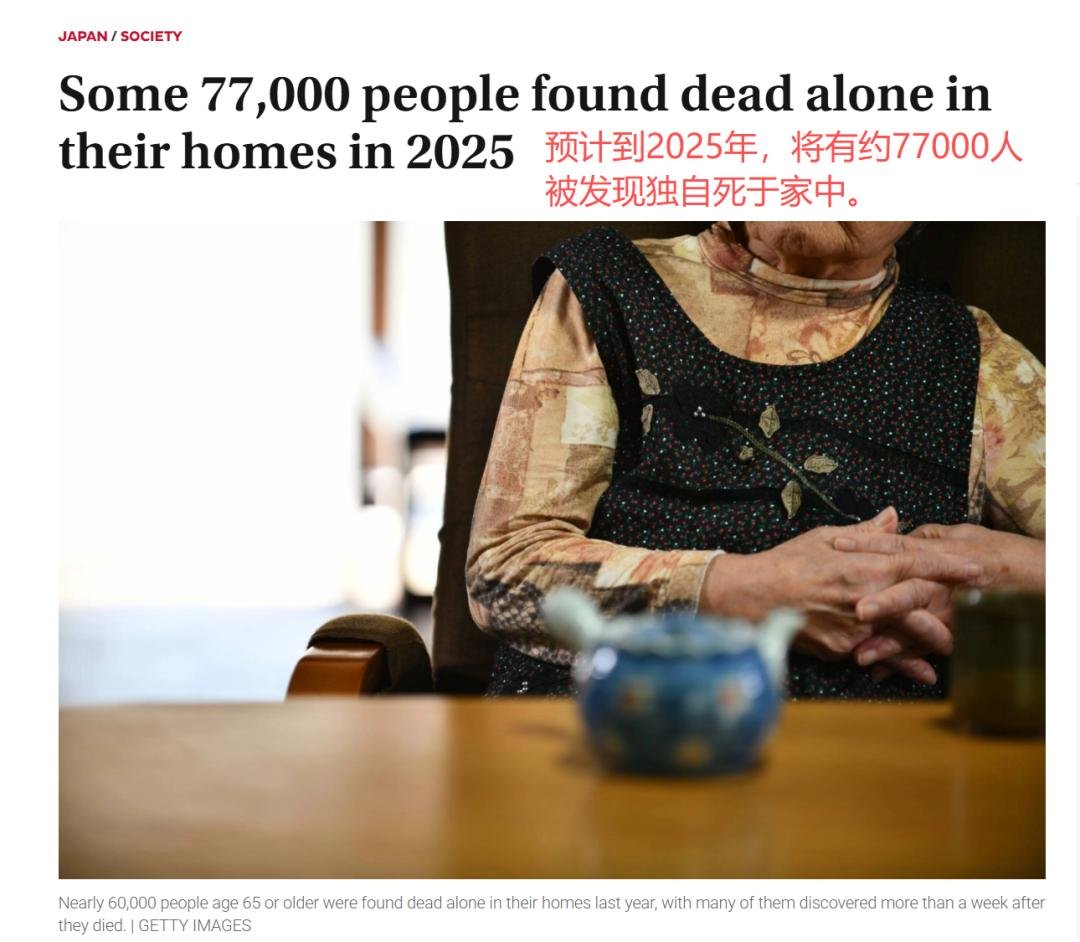
According to business statistics from a Japanese real estate agency specializing in acquiring haunted properties, about 80% of haunted properties come from lonely deaths, and this proportion is rising year by year.
This naturally has spawned many haunted property real estate companies and agents, who specialize in handling, subletting and reselling haunted properties.
To put it casually, the Japanese Prime Minister’s Official Residence where Sanae Takaichi moved in is also a famous haunted property.

In the 1930s, two major bloody incidents occurred in Japanese politics one after another: the May 15 Incident in 1932 and the February 26 Incident in 1936.
Both coups were accompanied by bloody conflicts, and the Prime Minister’s Official Residence was thus linked to this history full of violence and death.
It eventually evolved into a long-spread urban legend in Japan. The rumor that “the official residence is haunted” even once became a topic publicly discussed but avoided in political circles.
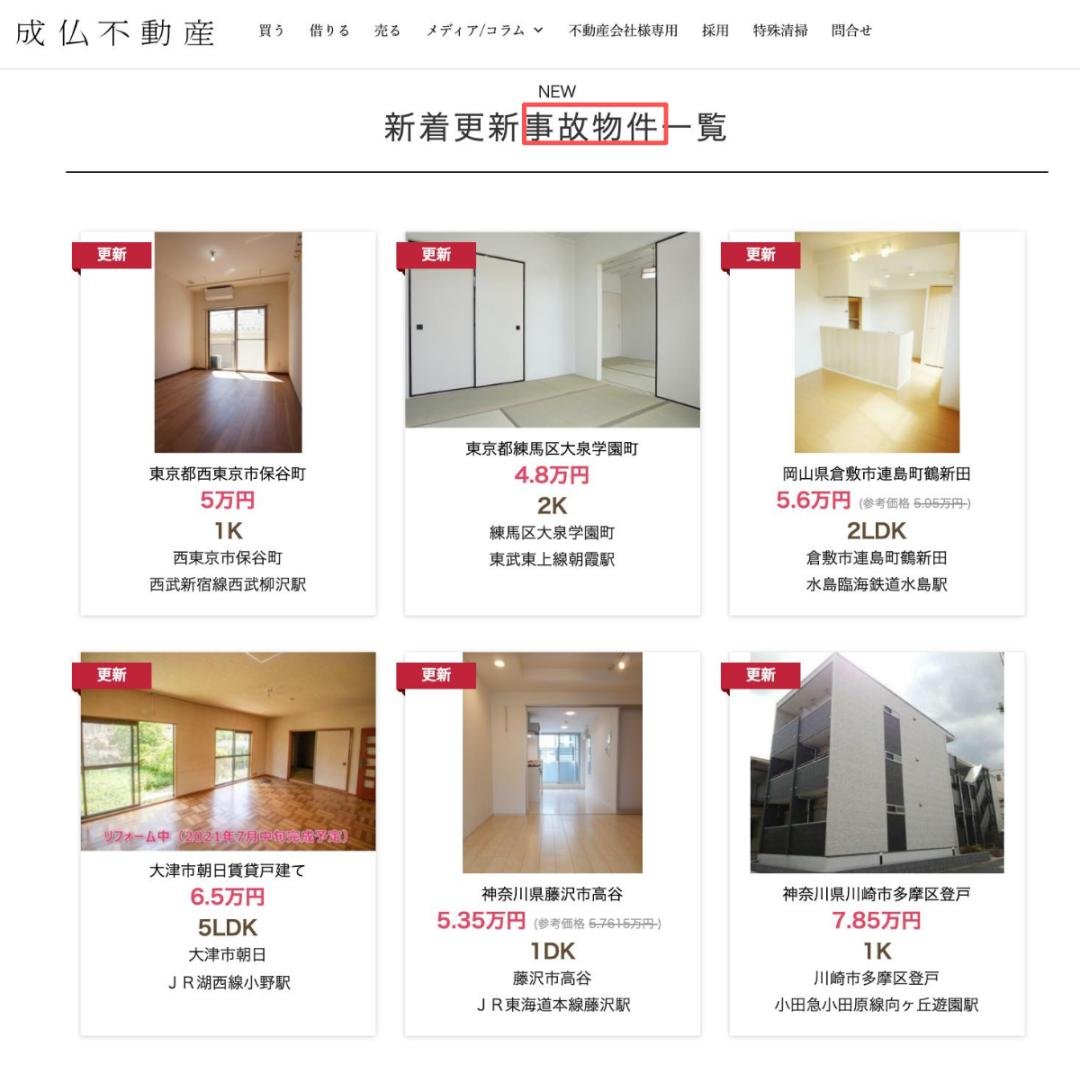
New haunted properties keep emerging all the time
Although there is no official statistical data, according to data mentioned by many haunted property real estate practitioners, there are currently about 1 million haunted properties across Japan.
The large total number is not the most shocking part. Because of different causes of death behind haunted properties, there are even corresponding different discounts…
The common reference in the industry is: in terms of rent, homicide cases reduce rent by about half, suicide cases reduce it by about 30%, and lonely deaths where the body is found late reduce it by about 10%. In terms of transactions, lonely deaths and illness deaths are about 10% to 20% cheaper, suicides 10% to 30%, homicides 30% to 50%, and widely reported cases may even be priced below half the market value.
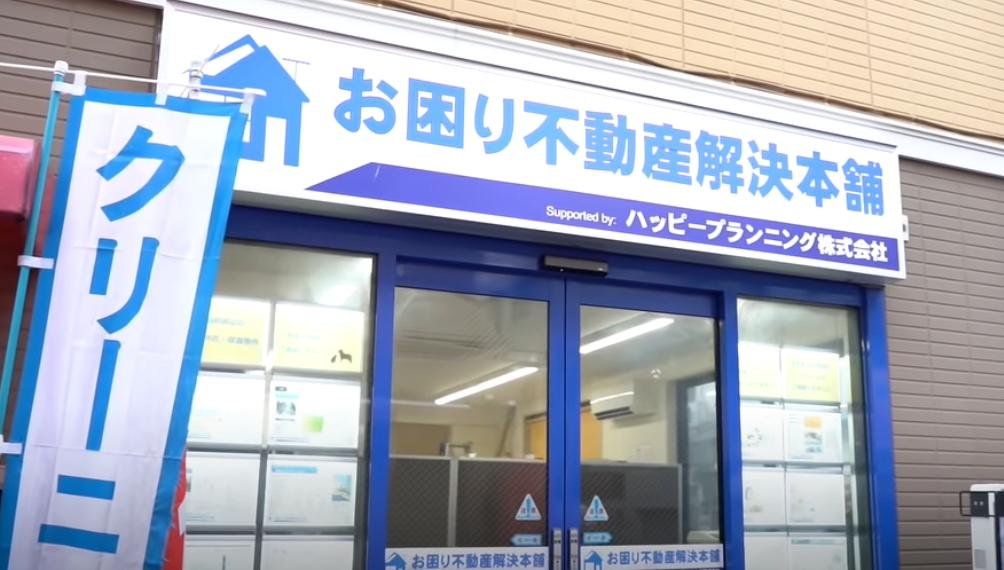
Specialized haunted property agencies
According to Reuters reports, homicide-related properties in Japan can be 80% cheaper than the market price.
Many Japanese real estate companies even openly advertise their haunted properties, clearly telling you the monthly rent reduction and the reason for the haunted label: “26,000 yen for a homicide property”, “27,000 yen for a suicide property”, “43,000 yen for an illness death property”, and these haunted properties never lack tenants.
The most jaw-dropping case is the Zama 9-body murder case that shocked Japan in 2017.
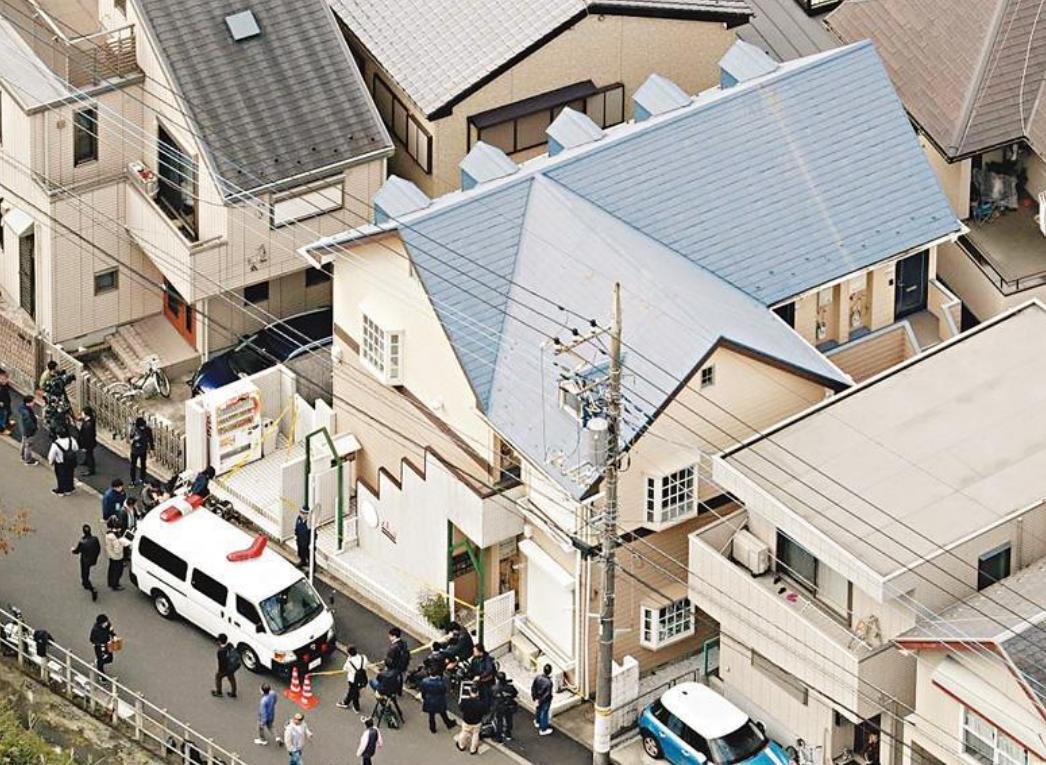
The more tragic the death, the lower the price
The murderer